
Basic 2 First Term English Studies Lesson Notes
39 free notes, in teaching order, from Phonics: Vowel Sounds /A/ and /A:/ to How I Plan to Spend My Next Holiday. Read them online, or get a PDF or Word copy.
The term, one note at a time
Start at note 1 and work down. Each note opens with its objectives and ends with evaluation questions and an assignment.
 Note 1 of 39
Phonics: Vowel Sounds /A/ and /A:/
Read this note- Note 2 of 39
Phonemic Awareness
Read this note - Note 3 of 39
Vocabulary Building: New Words and Reading
Read this note
- Note 4 of 39
Oral and Written Comprehension
Read this note - Note 5 of 39
Comprehension: New Words and Meaning
Read this note - Note 6 of 39
Oral and Written Comprehension on Passage
Students should be able to summarize the passage given orally Analyse the main idea of the passage given Dramatize the meaning of the passage DETAILED LESSON CONTENT READING PASSAGE: "MY PET DOG BINGO" I have a pet dog.
Read this note
- Note 7 of 39
Phonics: Learn Sounds Through Songs
Read this note - Note 8 of 39
Simple Commands at Home and School
Read this note - Note 9 of 39
Picture Reading
Read this note - Note 10 of 39
Supplementary Reading
Read this note - Note 11 of 39
Listening to and Telling a Story
Students should be able to summarize the story in their own words Relate the story to real life situations List the characters in the story Introduction Good listening helps us understand stories better.
Read this note - Note 12 of 39
Phonics: /B/, /D/ (Bed, Dog)
Students should be able to produce the consonant sounds as in bed, dog, doll Pronounce the sounds correctly Match the sounds with words Introduction Consonant sounds are letters that are not vowels (a, e, i, o, u).
Read this note
- Note 13 of 39
Writing of Letters: A, B, C
Students should be able to identify the alphabets a, b, c Compose a song with the alphabets Match the alphabets with objects Introduction The alphabet is made up of 26 letters.
Read this note - Note 14 of 39
Vocabulary Building: Synonyms and Antonyms
Students should be able to explain synonyms and antonyms List some synonyms and antonyms Compare synonyms and antonyms Introduction Words can have similar meanings (synonyms) or opposite meanings (antonyms).
Read this note - Note 15 of 39
Comprehension: Reading Passage
Read this note - Note 16 of 39
Phonics: Pronounce Consonant Sounds in Isolation
Students should be able to identify the consonant sounds Arrange the consonant sounds in sequence Pronounce the consonant sounds Introduction Consonant sounds are all the letters except the vowels (a, e, i, o, u).
Read this note - Note 17 of 39
Picture Reading: Classroom Environment
Students should be able to explain the pictures in the classroom Assess the classroom environment Categorise the pictures in the classroom environment Introduction Our classroom has many things that help us learn.
Read this note - Note 18 of 39
Writing of Alphabet: Two Letter Words
Students should be able to arrange two letters to form a word Match the letters Pronounce the two letters matched together Introduction When we put two letters together, we can make small words.
Read this note
- Note 19 of 39
Introduction to Colours
Students should be able to identify colours of things List the names of principal colours: red, blue, yellow, orange, green, and violet Describe objects with reference to their colour (red cap, white shirt, green shoes, etc.
Read this note - Note 20 of 39
Comprehension Skills: Reading Problem Solving
Read this note - Note 21 of 39
Differentiate Between Two Words (Feel, Fill)
Students should be able to identify the words and their meanings Compare the two words Differentiate words given Use the words in sentences Introduction Some words sound similar but have different meanings and spellings.
Read this note - Note 22 of 39
Phonics: Production of Consonant Sounds and Words
Students should be able to list consonant sounds Apply songs to the sounds Identify consonant sounds in words Match sounds and words Introduction Consonant sounds help us build words.
Read this note - Note 23 of 39
Supplementary Reading: Poetry
Read this note - Note 24 of 39
Literature: Fiction and Non-Fiction
Read this note - Note 25 of 39
The Writing Process
Students should be able to define elements of the writing process Explain the writing process Apply the writing process to write about self Introduction Writing is not just putting words on paper.
Read this note - Note 26 of 39
Comprehension Passage on Drug Abuse
Read this note - Note 27 of 39
Supplementary Reading: A Play
Read this note - Note 28 of 39
Vocabulary Building: New Words and Their Meaning
Students should be able to combine new words to make meaning Explain the meaning of each new word Make use of the new words in sentences Introduction Building vocabulary means learning new words and understanding what they mean.
Read this note - Note 29 of 39
Phonics: Vowel Sound /ai/
Students should be able to recognize the /ai/ sound Blend /ai/ words for reading and spelling Pronounce the /ai/ sounds Introduction The /ai/ sound is a special vowel sound that we hear in words like "rain" and "train.
Read this note - Note 30 of 39
Colour Matching: Matching Colours
Students should be able to identify basic colours Locate real world objects of a specific colour Match the colour given with the object Introduction Colours help us identify and describe things around us.
Read this note - Note 31 of 39
Vocabulary Building: New Words and Meaning
Read this note - Note 32 of 39
Literature Poetry: Rhyming Poems
Students should be able to describe rhythm and rhyme Create poems with rhythm Dramatize rhymes and rhythm in poems by saying them aloud Introduction Poetry becomes musical and fun when words rhyme and have rhythm.
Read this note - Note 33 of 39
Spelling: Three-Letter Words
Read this note - Note 34 of 39
Revision: Listening to and Telling a Story
Read this note - Note 35 of 39
Revision: Writing of Two Letter Words
Students should be able to arrange the letters correctly Match two letter groups Pronounce the two letters matched together Introduction Two-letter words are the building blocks of reading.
Read this note - Note 36 of 39
Revision Phonics: Production of Consonant Sounds and Words
Students should be able to list consonant sounds Apply songs to the sounds Match sounds and words Introduction Consonant sounds help us build words and read fluently.
Read this note - Note 37 of 39
Revision Comprehension: Passage Reading Skills
Read this note - Note 38 of 39
Culture (Meaning)
Students should be able to define culture List things that make up a culture Distinguish the culture of the three major tribes in Nigeria What is Culture? Culture is the way of life of a group of people.
Read this note - Note 39 of 39
How I Plan to Spend My Next Holiday
Read this note
Print it or edit it in Word
Every note is free to read online. A PDF or Word copy of one subject costs ₦1,000 for one term, or ₦2,000 for all three terms.
Sign in first, then choose your class and subject at checkout.
About Basic 2 First Term English Studies Lesson Notes
These are the 39 Basic 2 First Term English Studies topics, in teaching order. The first note covers Phonics: Vowel Sounds /A/ and /A:/ and the last covers How I Plan to Spend My Next Holiday.
What students learn this term
- Summarize the passage given orally Analyse the main idea of the passage given Dramatize the meaning of the passage DETAILED LESSON CONTENT READING PASSAGE: "MY PET DOG BINGO" I have a pet dog
- Summarize the story in their own words Relate the story to real life situations List the characters in the story Introduction Good listening helps us understand stories better
- Produce the consonant sounds as in bed, dog, doll Pronounce the sounds correctly Match the sounds with words Introduction Consonant sounds are letters that are not vowels (a, e, i, o, u)
- Identify the alphabets a, b, c Compose a song with the alphabets Match the alphabets with objects Introduction The alphabet is made up of 26 letters
- Explain synonyms and antonyms List some synonyms and antonyms Compare synonyms and antonyms Introduction Words can have similar meanings (synonyms) or opposite meanings (antonyms)
- Identify the consonant sounds Arrange the consonant sounds in sequence Pronounce the consonant sounds Introduction Consonant sounds are all the letters except the vowels (a, e, i, o, u)
- Explain the pictures in the classroom Assess the classroom environment Categorise the pictures in the classroom environment Introduction Our classroom has many things that help us learn
- Arrange two letters to form a word Match the letters Pronounce the two letters matched together Introduction When we put two letters together, we can make small words
- Identify colours of things List the names of principal colours: red, blue, yellow, orange, green, and violet Describe objects with reference to their colour (red cap, white shirt, green shoes, etc
- Identify the words and their meanings Compare the two words Differentiate words given Use the words in sentences Introduction Some words sound similar but have different meanings and spellings
- List consonant sounds Apply songs to the sounds Identify consonant sounds in words Match sounds and words Introduction Consonant sounds help us build words
- Define elements of the writing process Explain the writing process Apply the writing process to write about self Introduction Writing is not just putting words on paper
- Combine new words to make meaning Explain the meaning of each new word Make use of the new words in sentences Introduction Building vocabulary means learning new words and understanding what they mean
- Recognize the /ai/ sound Blend /ai/ words for reading and spelling Pronounce the /ai/ sounds Introduction The /ai/ sound is a special vowel sound that we hear in words like "rain" and "train
- Identify basic colours Locate real world objects of a specific colour Match the colour given with the object Introduction Colours help us identify and describe things around us
- Describe rhythm and rhyme Create poems with rhythm Dramatize rhymes and rhythm in poems by saying them aloud Introduction Poetry becomes musical and fun when words rhyme and have rhythm
- Arrange the letters correctly Match two letter groups Pronounce the two letters matched together Introduction Two-letter words are the building blocks of reading
- List consonant sounds Apply songs to the sounds Match sounds and words Introduction Consonant sounds help us build words and read fluently
- Define culture List things that make up a culture Distinguish the culture of the three major tribes in Nigeria What is Culture? Culture is the way of life of a group of people
Recommended Basic 2 English Studies textbooks
| Name | Author | Publisher |
|---|---|---|
| The Wise Servant (English reader)Anambra State Govt (Ministry of Education)Edition: 2023/2024 session | John E. Obiakor | Johnny Met Publisher |
| Modular English Course for Primary Schools Book 3School booklist – Noble Foundation School, Ibadan (private) | S. O. Ayodele et al | Evans |
| Structural English Workbook Book 3School booklist – Noble Foundation School, Ibadan (private) | Ronald Ridout | African Univ. Press |
| Nigeria Primary English Book 2Not on an official listEdition: Fourth edition, 2023 | F. Ademola-Adeoye, Q. Adam, B. Somoye, J. Omiteru, J. Macauley, B. Oderinde, F. Badaiki, N. Hawkes, D. Dallas | Not stated on page (Learn Africa store) |
Questions teachers ask about Basic 2 First Term English Studies
How many Basic 2 First Term English Studies lesson notes are there?
There are 39 notes, from Phonics: Vowel Sounds /A/ and /A:/ to How I Plan to Spend My Next Holiday. When a new note is published, this page and this number update on their own.
What topics do the notes cover?
Phonics: Vowel Sounds /A/ and /A:/, Phonemic Awareness, Vocabulary Building: New Words and Reading, Oral and Written Comprehension, Comprehension: New Words and Meaning, Oral and Written Comprehension on Passage, Phonics: Learn Sounds Through Songs, Simple Commands at Home and School, Picture Reading, Supplementary Reading, Listening to and Telling a Story, Phonics: /B/, /D/ (Bed, Dog) and 27 more.
Can I download the notes as a PDF or Word file?
Yes. Sign in with Google or Facebook, then choose the term at checkout. A PDF or Word copy of Basic 2 English Studies for the First Term costs ₦1,000.
Can I edit the notes to suit my class?
Yes. Use the Word copy to change anything you like, or print the PDF as it is. Either way there is no retyping.
What does each note contain?
Every note has behavioural objectives, the lesson content in short sections, evaluation questions and an assignment, so you can teach from it and set work straight away.
Is there a cheaper way to get all three terms?
Yes. All three terms of Basic 2 English Studies cost ₦2,000 instead of ₦3,000, a saving of ₦1,000.
Do I need an account to read the notes?
No. Every note is free to read without an account. You only sign in when you want to buy a download.
More English Studies lesson notes
Every term of Basic 2 English Studies, then the same subject in other classes.
Basic 2 English Studies
Basic 1 English Studies
Basic 3 English Studies
Basic 4 English Studies
Basic 5 English Studies
Basic 6 English Studies
JSS1 English Studies
JSS2 English Studies
JSS3 English Studies
SS1 English Studies
SS2 English Studies
Basic 2 First Term Lesson Notes for other subjects
 11 notes
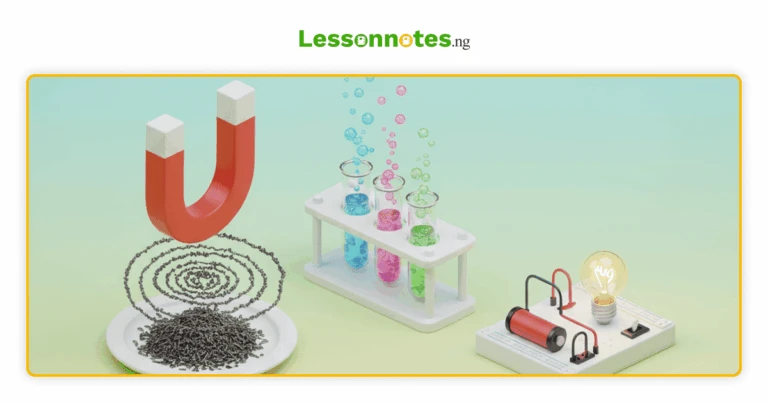
Basic 2 First Term Basic Science Lesson Note
View Notes 7 notes
Basic 2 First Term Christian Religious Studies Lesson Note
View NotesBasic 2 First Term Civic Education Lesson Note
View Notes 6 notes
Basic 2 First Term Computer Studies Lesson Note
View Notes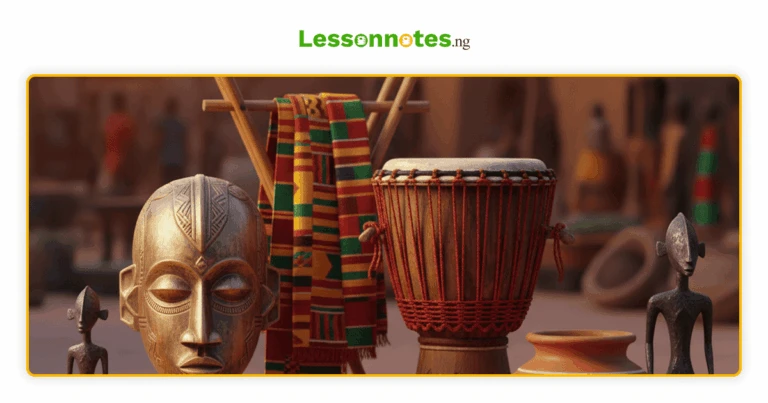 9 notes
Basic 2 First Term Cultural & Creative Arts Lesson Note
View Notes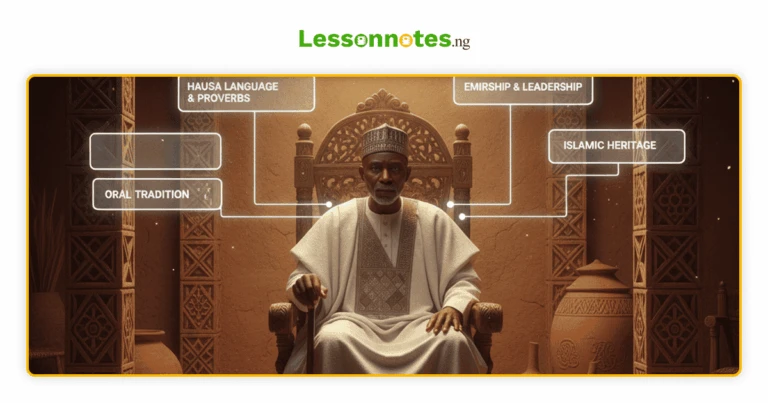 8 notes
Basic 2 First Term Hausa Lesson Note
View Notes 11 notes
Basic 2 First Term Igbo Lesson Note
View Notes 9 notes
Basic 2 First Term Islamic Studies Lesson Note
View Notes 10 notes
Basic 2 First Term Mathematics Lesson Note
View Notes 8 notes
Basic 2 First Term Nigerian History Lesson Note
View Notes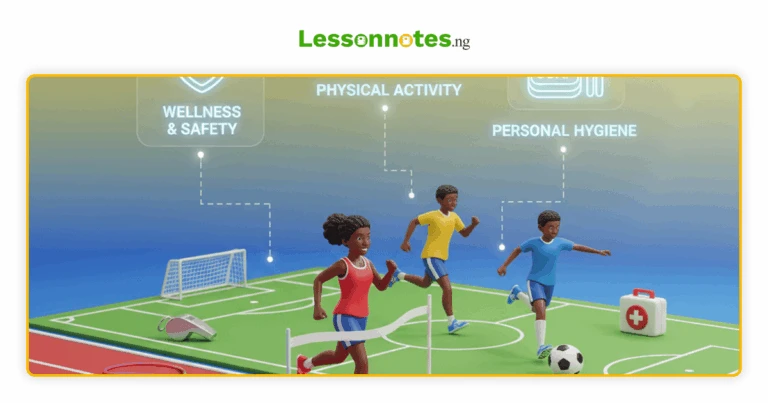 8 notes
Basic 2 First Term Physical & Health Education Lesson Note
View Notes 8 notes
Basic 2 First Term Security Education Lesson Note
View Notes 5 notes
