Meaning of Drugs and Types of Drugs – Basic 3 Social Studies Lesson Note (First Term)
Download Lesson NoteLesson note at a glance
- Subject
- Social Studies
- Class
- Basic 3
- Term
- First Term
- Topic
- Meaning of Drugs and Types of Drugs
- Order
- Topic 18 of 20 this term
- Reading time
- 4 min
- MEANING OF DRUGS
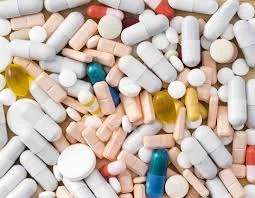
What are drugs? Drugs are substances or medicines that can change how our body works when we take them.
Simple definition: Drugs are chemicals that affect our body and mind when we use them.
Why do people use drugs?
- To treat sickness and diseases
- To feel better when they are ill
- To prevent diseases
- To reduce pain
Important facts about drugs:
- Some drugs are helpful (good drugs)
- Some drugs are harmful (bad drugs)
- Drugs should only be used when needed
- Children should not use drugs without adult supervision
- All drugs should be used carefully
- TYPES OF DRUGS
- GOOD DRUGS (HELPFUL DRUGS)
These are drugs that help us stay healthy and treat diseases.
- MEDICINES FROM DOCTORS
Prescription medicines:
- Given by doctors or nurses
- Help cure sickness
- Must be used exactly as doctor says
- Have instructions on how to use
Examples:
- Paracetamol – for fever and headache
- Antibiotics – for infections
- Cough syrup – for cough
- Eye drops – for eye problems
- Injections – for serious illnesses
- MEDICINES FROM PHARMACY
Over-the-counter medicines:
- Can be bought without doctor’s prescription
- Used for minor problems
- Still need adult supervision for children
Examples:
- Panadol – for headache and fever
- Vitamin tablets – for strength
- First aid cream – for cuts and wounds
- Throat lozenges – for sore throat
- TRADITIONAL MEDICINES
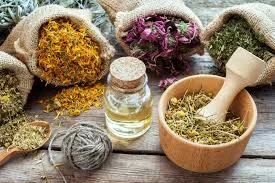
Herbal medicines:
- Made from plants and natural things
- Used by our ancestors
- Still helpful today
- Must be used carefully
Examples:
- Bitter leaf – for stomach problems
- Ginger – for cold and cough
- Lemon grass – for fever
- Neem leaves – for skin problems
- Garlic – for infections
- BAD DRUGS (HARMFUL DRUGS)
These are drugs that are dangerous and can harm our body.
- ILLEGAL DRUGS
Drugs that are against the law:
- Nobody should use them
- They damage the brain and body
- They can cause death
- They make people addicted
Examples:
- Cocaine – white powder that destroys the brain
- Heroin – injection drug that kills people
- Cannabis/Marijuana – plant that makes people crazy
- Codeine – cough syrup that can be addictive
- ALCOHOL
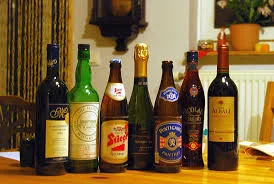
Alcoholic drinks:
- Beer, wine, whiskey, gin
- Bad for children and teenagers
- Can damage the liver and brain
- Makes people behave badly
- Causes accidents
- CIGARETTES AND TOBACCO
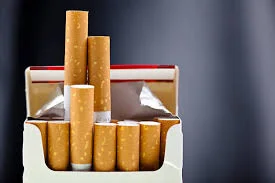
Smoking materials:
- Cigarettes contain harmful chemicals
- Damage the lungs and heart
- Cause cancer and other diseases
- Make people smell bad
- Are addictive
- HOUSEHOLD ITEMS THAT CAN BE HARMFUL
Common things at home that can be dangerous:
- Bleach – for cleaning clothes
- Toilet cleaner – for bathrooms
- Insecticide – for killing insects
- Petrol – for cars
- Glue – for sticking things
Why they are dangerous:
- Not meant to be eaten or drunk
- Can poison and kill people
- Should be kept away from children
- Should only be used by adults
- DRUG SAFETY RULES
FOR GOOD DRUGS:
- Only take medicines given by parents or doctors
- Follow instructions carefully
- Don’t share medicines with friends
- Don’t take more than required
- Tell adults if medicine makes you feel strange
- Check expiry dates before using
FOR BAD DRUGS:
- Never try illegal drugs
- Say NO if someone offers you drugs
- Stay away from people using bad drugs
- Tell a trusted adult if someone offers you drugs
- Don’t drink alcohol
- Don’t smoke cigarettes
GENERAL SAFETY:
- Keep all drugs away from small children
- Store medicines in safe places
- Don’t eat or drink unknown substances
- Wash hands after handling medicines
- Report drug abuse to authorities
- EFFECTS OF DRUGS
GOOD EFFECTS (From helpful drugs):
- Cure diseases and infections
- Reduce pain and suffering
- Prevent illnesses
- Help people live longer
- Make people feel better
BAD EFFECTS (From harmful drugs):
- Damage the brain and body
- Cause addiction (cannot stop using)
- Lead to crime and violence
- Destroy families
- Cause death
- Make people lose their jobs
- Ruin education and future
CLASS EXERCISES
- Fill in the blanks:
- Drugs are _______ that affect our body when we use them
- Good drugs help us _______ diseases
- Bad drugs can _______ our body and brain
- Children should not use drugs without _______ supervision
- True or False:
- All drugs are harmful: _____
- Doctors give medicines to help cure sickness: _____
- Children can share medicines with friends: _____
- Cigarettes are good for health: _____
- Traditional medicines come from plants: _____
- List 3 examples of good drugs:
- List 3 examples of bad drugs:
- Choose the correct answer: What should you do if someone offers you illegal drugs? a) Take them b) Say NO c) Share with friends
Who should give medicines to children? a) Friends b) Strangers c) Parents or doctors
What are traditional medicines made from? a) Chemicals b) Plants c) Metal
- Match the medicine to its use:
- Paracetamol → For fever and headache
- Cough syrup → _______
- Eye drops → _______
- Antibiotics → _______
- Circle the harmful substances: Paracetamol, Cocaine, Vitamin tablets, Alcohol, Heroin, Ginger, Cigarettes, Cough syrup
- Complete these drug safety rules:
- Only take medicines given by _______
- Never try _______ drugs
- Don’t _______ medicines with friends
- Tell adults if medicine makes you feel _______
- Answer these questions:
- Why do doctors give us medicines? _______
- What should you do if you feel sick? _______
- Who should handle dangerous household chemicals? _______
- What happens to people who use bad drugs? _______
- Group these items as Good or Bad: Beer, Panadol, Marijuana, Ginger, Bleach, Antibiotics, Cocaine, Vitamin C
Good drugs: _______ Bad/Harmful substances: _______
This term's Social Studies topics
Basic 3 First Term · 20 topics
- Identification of Local Herbs and Drugs
- Meaning and Types of Family
- Members of Nuclear and Extended Family
- Functions/Roles of Extended Family Members
- Meaning of Marriage
- Types of Marriage
- Marriage Practices in Nigeria
- Objects Used in Marriage
- Meaning of Drugs and Types of Drugs
- Identification of Modern Common Medicines or Drugs
- Identification of Local Herbs and Drugs
First Term Social Studies Lesson Notes for Other Topics
Meaning of Social Studies
Read the full lesson note.

Types of Family
Read the full lesson note.

Extended Family
Read the full lesson note.

Qualities of a Good Family
Read the full lesson note.
Culture
Read the full lesson note.
Values that Show Good Morals in Our Society
Read the full lesson note.

Meaning of a Family
Read the full lesson note.

Good Moral Values in Society II: Examples
Read the full lesson note.
Values that Show Bad Morals in our Society
Read the full lesson note.
Employment and Unemployment
Read the full lesson note.

Nigerian and Foreign-Made Goods
Read the full lesson note.

External Influence on Nigeria Life
Read the full lesson note.

The Influence of Working Parents on Nigeria Family Cont'd
Read the full lesson note.
Intermarriage
Read the full lesson note.
Marital Failure
Read the full lesson note.
Lesson Notes for Other Classes

Basic 1 Lesson Note
The complete lesson note to guide your studies.

Basic 2 Lesson Note
The complete lesson note to guide your studies.
Basic 4 Lesson Note
The complete lesson note to guide your studies.

Basic 5 Lesson Note
The complete lesson note to guide your studies.
Basic 6 Lesson Note
The complete lesson note to guide your studies.

JSS1 Lesson Note
The complete lesson note to guide your studies.