Identification of Local Herbs and Drugs – Basic 3 Social Studies Lesson Note (First Term)
Download Lesson NoteLesson note at a glance
- Subject
- Social Studies
- Class
- Basic 3
- Term
- First Term
- Topic
- Identification of Local Herbs and Drugs
- Order
- Topic 10 of 20 this term
- Reading time
- 6 min
WHAT ARE LOCAL HERBS?

Local herbs are plants that grow naturally in our environment and are used as traditional medicine.
Other names for local herbs:
- Traditional medicine
- Herbal medicine
- Native medicine
- Bush medicine
- Plant medicine
How our ancestors used herbs:
- They learned about plants from experience
- They passed knowledge from parents to children
- They used plants to cure diseases before hospitals existed
- They knew which plants were safe and which were dangerous
Why local herbs are important:
- They are natural and grow around us
- They cost less money than modern medicines
- Many people still use them today
- Some modern medicines come from plants
- COMMON LOCAL HERBS IN NIGERIA
- BITTER LEAF (Vernonia amygdalina)

Yoruba name: Ewuro
Igbo name: Onugbu
Hausa name: Shiwaka
How to identify:
- Dark green leaves
- Leaves taste very bitter
- Grows as a shrub or small tree
- Leaves are oval-shaped with pointed ends
Uses:
- Stomach problems and worms
- Malaria and fever
- High blood pressure
- Cleaning the blood
How to use:
- Squeeze leaves to get juice
- Mix with water and drink
- Can be cooked in soup
- SCENT LEAF (Ocimum gratissimum)
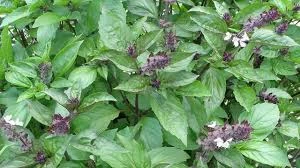
Yoruba name: Efinrin Igbo name: Nchu-anwu Hausa name: Daidoya
How to identify:
- Small green leaves
- Has a strong, pleasant smell
- Grows in bushes
- Leaves are soft to touch
Uses:
- Cough and cold
- Stomach ache
- Fever
- Insect bites
How to use:
- Boil leaves in water and drink
- Squeeze leaves and apply to skin
- Add to food for flavor
- LEMON GRASS (Cymbopogon citratus)
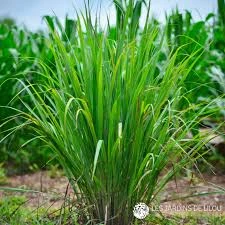
Yoruba name: Kooko-oba Igbo name: Achara-elu Hausa name: Tsauri
How to identify:
- Long, thin grass-like leaves
- Light green color
- Smells like lemon when crushed
- Grows in clumps
Uses:
- Fever and malaria
- Stomach problems
- High blood pressure
- Body pains
How to use:
- Boil the roots and leaves in water
- Drink the water as tea
- Can be mixed with other herbs
- GINGER (Zingiber officinale)
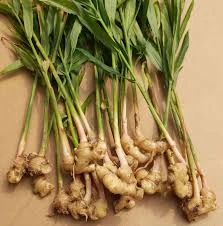
Yoruba name: Ata-ile Igbo name: Nduku Hausa name: Citta
How to identify:
- Underground root (rhizome)
- Light brown skin with yellow inside
- Has a hot, spicy taste
- Grows under the ground
Uses:
- Cold and cough
- Stomach problems
- Nausea and vomiting
- Body warming
How to use:
- Grate fresh ginger and add to hot water
- Mix with honey
- Add to food while cooking
- NEEM TREE (Azadirachta indica)
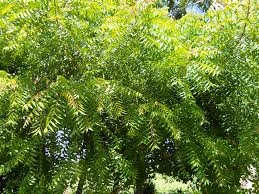
Yoruba name: Dongoyaro Igbo name: Ogwu-afia Hausa name: Bedi
How to identify:
- Tall tree with many branches
- Small green leaves in groups
- Bitter taste
- White or pale yellow flowers
Uses:
- Malaria and fever
- Skin diseases
- Worms in the stomach
- Cleaning teeth
How to use:
- Boil leaves and bark in water
- Drink the liquid
- Use leaves to scrub the body
- Chew soft twigs as toothbrush
- PAWPAW LEAVES (Carica papaya)
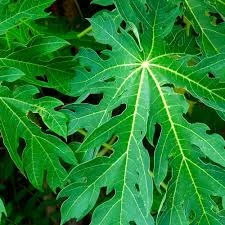
Yoruba name: Ibepe Igbo name: Okwuru-bekee Hausa name: Gwanda
How to identify:
- Large, broad leaves
- Deeply divided into sections
- Grow from pawpaw tree
- Light to dark green color
Uses:
- Malaria treatment
- Worms in stomach
- Liver problems
- Cleaning the blood
How to use:
- Squeeze fresh leaves to get juice
- Boil leaves in water and drink
- Mix with other herbs
- GARLIC (Allium sativum)
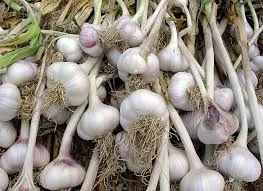
Yoruba name: Ayo Igbo name: Hausa-ayo Hausa name: Tafarnuwa
How to identify:
- Small white bulbs underground
- Made up of many small sections (cloves)
- Strong smell
- White or light purple skin
Uses:
- High blood pressure
- Infections
- Cough and cold
- Heart problems
How to use:
- Crush fresh cloves and eat
- Mix with honey
- Add to food while cooking
- HOW TO IDENTIFY HERBS SAFELY
PHYSICAL FEATURES TO LOOK FOR:
- LEAVES
- Shape: Round, oval, pointed, divided
- Size: Small, medium, large
- Color: Light green, dark green, purple
- Texture: Smooth, rough, hairy, waxy
- Smell: Sweet, bitter, spicy, no smell
- FLOWERS
- Color: White, yellow, red, purple
- Size: Tiny, small, large
- Shape: Round, star-shaped, tube-like
- FRUITS/SEEDS
- Type: Berries, pods, nuts
- Color: Green, red, brown, black
- **Size and shape
- ROOTS/BARK
- Color: Brown, white, yellow, red
- Texture: Smooth, rough, fibrous
- Smell: Strong, mild, no smell
SAFETY RULES FOR HERB IDENTIFICATION:
DO’S:
- Learn from experienced adults
- Start with well-known, safe herbs
- Ask elders to show you the plants
- Study the plants carefully
- Learn the local names
- Know the exact plant parts to use
DON’TS:
- Don’t use plants you’re not sure about
- Don’t eat unknown berries or fruits
- Don’t use herbs without adult guidance
- Don’t pick plants from polluted areas
- Don’t use too much of any herb
- Don’t mix many herbs without knowledge
- WHERE TO FIND LOCAL HERBS
Natural locations:
- Forests and bushes
- Around houses and compounds
- Farms and gardens
- Riverbanks and wetlands
- Mountains and hills
Cultivated locations:
- Home gardens
- Herbal gardens
- Traditional medicine gardens
- Community herb farms
Markets and shops:
- Local markets
- Traditional medicine sellers
- Herb vendors
- Some pharmacies now sell herbs
- PREPARATION METHODS
- WATER EXTRACTION (TEA/DECOCTION)
- Boil plant parts in water
- Strain and drink the liquid
- Most common method
- COLD WATER EXTRACTION
- Soak plant parts in cold water overnight
- Strain and drink in the morning
- Good for delicate plants
- JUICE EXTRACTION
- Squeeze fresh leaves or fruits
- Drink the juice directly
- Often mixed with water or honey
- POWDER PREPARATION
- Dry plant parts in the sun
- Grind into powder
- Mix with water or food
- EXTERNAL APPLICATION
- Make paste from fresh plants
- Apply directly to skin
- Used for wounds and skin problems
CLASS EXERCISES
- List 5 common local herbs:
- Fill in the local names:
- Bitter leaf in Yoruba: _______
- Scent leaf in Igbo: _______
- Lemon grass in Hausa: _______
- Ginger in Yoruba: _______
- Neem tree in Igbo: _______
- True or False:
- Local herbs are plants used as traditional medicine: _____
- All plants are safe to use as medicine: _____
- Bitter leaf tastes sweet: _____
- Ginger grows underground: _____
- Children should use herbs without adult guidance: _____
- Match the herb to its use:
- Bitter leaf → Stomach problems and malaria
- Scent leaf → _______
- Lemon grass → _______
- Garlic → _______
- Pawpaw leaves → _______
- Choose the correct answer: What part of ginger do we use as medicine? a) Leaves b) Flowers c) Root
Which herb smells like lemon? a) Bitter leaf b) Lemon grass c) Neem
What should you do before using any herb? a) Use immediately b) Ask experienced adults c) Use large amounts
- Describe how to identify these herbs:
- Bitter leaf: _______
- Scent leaf: _______
- Lemon grass: _______
- Safety rules – Complete the sentences:
- Learn from _______ adults
- Don’t use plants you’re not _______ about
- Don’t eat unknown _______ or fruits
- Ask _______ to show you the plants
- Circle the safe preparation methods: Boiling in water, Eating unknown plants, Making juice, Grinding to powder, Using without guidance, Making tea, Applying to skin
- Answer these questions:
- Why did our ancestors use local herbs? _______
- Where can you find local herbs? _______
- Who should teach you about herbs? _______
- What should you do if you’re not sure about a plant? _______
- Complete the uses:
- Bitter leaf is used for: _______
- Ginger is used for: _______
- Neem leaves are used for: _______
- Garlic is used for: _______
This term's Social Studies topics
Basic 3 First Term · 20 topics
- Types of Marriage
- Marriage Practices in Nigeria
- Objects Used in Marriage
- Meaning of Drugs and Types of Drugs
- Identification of Modern Common Medicines or Drugs
- Identification of Local Herbs and Drugs
- Meaning and Types of Family
- Members of Nuclear and Extended Family
- Functions/Roles of Extended Family Members
- Meaning of Marriage
- Types of Marriage
First Term Social Studies Lesson Notes for Other Topics
Meaning of Social Studies
Read the full lesson note.

Types of Family
Read the full lesson note.

Extended Family
Read the full lesson note.

Qualities of a Good Family
Read the full lesson note.

Culture
Read the full lesson note.

Values that Show Good Morals in Our Society
Read the full lesson note.

Meaning of a Family
Read the full lesson note.

Good Moral Values in Society II: Examples
Read the full lesson note.

Values that Show Bad Morals in our Society
Read the full lesson note.

Employment and Unemployment
Read the full lesson note.

Nigerian and Foreign-Made Goods
Read the full lesson note.

External Influence on Nigeria Life
Read the full lesson note.

The Influence of Working Parents on Nigeria Family Cont'd
Read the full lesson note.

Intermarriage
Read the full lesson note.

Marital Failure
Read the full lesson note.
Lesson Notes for Other Classes

Basic 1 Lesson Note
The complete lesson note to guide your studies.
Basic 2 Lesson Note
The complete lesson note to guide your studies.

Basic 4 Lesson Note
The complete lesson note to guide your studies.

Basic 5 Lesson Note
The complete lesson note to guide your studies.

Basic 6 Lesson Note
The complete lesson note to guide your studies.

JSS1 Lesson Note
The complete lesson note to guide your studies.