
Identification of Modern Common Medicines or Drugs – Basic 3 Social Studies Lesson Note (First Term)
Download Lesson NoteLesson note at a glance
- Subject
- Social Studies
- Class
- Basic 3
- Term
- First Term
- Topic
- Identification of Modern Common Medicines or Drugs
- Order
- Topic 19 of 20 this term
- Reading time
- 5 min
- WHAT ARE MODERN MEDICINES?
Modern medicines are drugs made in factories and hospitals to help cure diseases.
How to recognize modern medicines:
- They come in special containers (bottles, boxes, packets)
- They have labels with writing on them
- They have expiry dates
- They are made by pharmaceutical companies
- They have specific instructions for use
Where do we get modern medicines:
- Hospitals and clinics
- Pharmacies (chemist shops)
- Dispensaries
- Health centers
- COMMON FORMS OF MODERN MEDICINES
- TABLETS AND PILLS
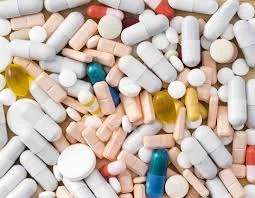
What they look like:
- Small, round or oval shapes
- Different colors (white, yellow, red, blue)
- Hard and solid
- Sometimes have lines for breaking
How to identify:
- Usually kept in bottles or blister packs
- Have numbers or letters printed on them
- Come with instructions
Examples:
- Paracetamol tablets (white, round)
- Vitamin C tablets (orange or yellow)
- Iron tablets (red or brown)
- CAPSULES

What they look like:
- Two-piece containers joined together
- Usually have different colored tops and bottoms
- Contain powder or liquid inside
- Smooth and oval-shaped
How to identify:
- Often transparent or colored
- Cannot be broken like tablets
- Must be swallowed whole
Examples:
- Antibiotic capsules
- Vitamin capsules
- Pain relief capsules
- LIQUID MEDICINES (SYRUPS)
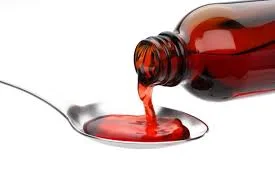
What they look like:
- Thick, sweet liquids
- Different colors (red, orange, clear, brown)
- Come in bottles with measuring caps
- Have labels with dosage instructions
How to identify:
- Bottles have measuring marks
- Often taste sweet
- May need shaking before use
Examples:
- Cough syrup (usually red or brown)
- Paracetamol syrup (orange or pink)
- Multivitamin syrup (colorful)
- INJECTIONS
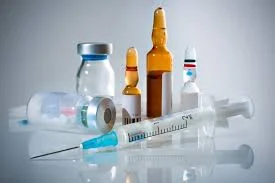
What they look like:
- Clear liquids in small glass bottles (vials)
- Come with needles and syringes
- Only used by doctors and nurses
- Stored in special refrigerators
How to identify:
- Always handled by medical professionals
- Come in sterile packaging
- Have medical labels
Examples:
- Vaccination injections
- Antibiotic injections
- Pain relief injections
- CREAMS AND OINTMENTS

What they look like:
- Thick, paste-like substances
- Come in tubes or small containers
- Different colors (white, yellow, clear)
- Applied to skin
How to identify:
- Squeeze tubes or small jars
- Instructions for external use only
- Often have pictures showing body parts
Examples:
- Antiseptic cream (for cuts)
- Skin rash cream
- Eye ointment
- IDENTIFYING MEDICINE LABELS
IMPORTANT INFORMATION ON MEDICINE LABELS:
- MEDICINE NAME
- Brand name (what it’s called)
- Generic name (scientific name)
- Strength (how strong it is)
- EXPIRY DATE
- “Use before” or “Expires on”
- Month and year shown
- Never use expired medicines
- DOSAGE INSTRUCTIONS
- How much to take
- How often to take it
- When to take it (before/after food)
- MANUFACTURER
- Company that made the medicine
- Address and contact information
- NAFDAC number (in Nigeria)
- BATCH NUMBER
- Special code for tracking
- Helps identify specific production
- WARNINGS
- Side effects to watch for
- Who should not use the medicine
- Storage instructions
- COMMON MODERN MEDICINES FOR PRIMARY 3 PUPILS
- PARACETAMOL (Panadol)

Uses: Fever, headache, body pain
Forms: Tablets, syrup, suppositories
Colors: White tablets, orange/pink syrup
Safety: Must follow correct dosage
- ORAL REHYDRATION SALT (ORS)

Uses: Diarrhea and dehydration
Forms: Powder in sachets
Colors: White powder
Safety: Mix with clean water only
- VITAMIN C

Uses: Preventing cold, boosting immunity
Forms: Tablets, syrup, chewable tablets
Colors: Orange, yellow, white
Safety: Follow recommended daily amount
- IRON TABLETS

Uses: Treating anemia (lack of blood)
Forms: Tablets, syrup
Colors: Red, brown, black
Safety: May cause stomach upset
- MULTIVITAMINS
Uses: General health and growth
Forms: Tablets, syrup, gummies
Colors: Various bright colors
Safety: Don’t take more than needed
- ANTISEPTIC SOLUTIONS
Uses: Cleaning wounds and cuts
Forms: Liquid in bottles
Colors: Clear, brown (iodine), pink
Safety: For external use only
- SAFETY RULES FOR IDENTIFYING MEDICINES
DO’S:
- Always read the label carefully
- Check expiry dates before use
- Ask adults to help identify medicines
- Keep medicines in original containers
- Store in cool, dry places
- Follow dosage instructions exactly
DON’TS:
- Don’t take medicines without adult supervision
- Don’t use expired medicines
- Don’t share medicines with friends
- Don’t remove labels from medicine containers
- Don’t take medicines that look damaged
- Don’t guess what medicines are for
- WARNING SIGNS OF FAKE MEDICINES
How to spot fake medicines:
- No proper labels or unclear writing
- Wrong colors or unusual appearance
- No expiry date or NAFDAC number
- Sold by unauthorized people
- Prices that are too cheap
- Packaging looks poor or damaged
What to do if you suspect fake medicine:
- Don’t use it
- Tell your parents or teacher
- Report to health authorities
- Buy only from registered pharmacies
CLASS EXERCISES
- List 5 forms of modern medicines:
- Fill in the blanks:
- Tablets are usually _______ and solid
- Capsules contain _______ or liquid inside
- Liquid medicines come in _______ with measuring caps
- Creams and ointments are applied to the _______
- _______ are only given by doctors and nurses
- True or False:
- Modern medicines have expiry dates: _____
- Children can take any medicine they find: _____
- Paracetamol helps with fever and headache: _____
- All medicines look the same: _____
- Fake medicines are safe to use: _____
- Match the medicine to its use:
- Paracetamol → Fever and headache
- ORS → _______
- Vitamin C → _______
- Iron tablets → _______
- Antiseptic → _______
- Choose the correct answer: What should you check before using any medicine? a) Color only b) Expiry date c) Size only
Where should you buy medicines? a) From anyone b) Registered pharmacy c) Street vendors
Who should give medicines to children? a) Friends b) Adults/parents c) Other children
- Identify these medicine descriptions:
- Small, round, white solid medicine: _______
- Sweet, thick liquid in a bottle: _______
- Two-piece container with powder inside: _______
- Thick paste in a tube for skin: _______
- Complete the safety rules:
- Always read the _______ carefully
- Check _______ dates before use
- Don’t take medicines without _______ supervision
- Don’t share medicines with _______
- Store medicines in _______ places
- Circle the information found on medicine labels: Medicine name, Your friend’s name, Expiry date, Dosage instructions, Your favorite color, Manufacturer, Warnings
- Answer these questions:
- Why is it important to read medicine labels? _______
- What should you do if you find a medicine without a label? _______
- Who can help you identify medicines safely? _______
- Where should medicines be stored? _______
- Warning signs: List 3 signs that a medicine might be fake:
- Medicine safety scenarios: What should you do in these situations?
- You find tablets on the floor: _______
- Your friend offers to share his cough syrup: _______
- You see medicine with no label: _______
- You feel sick and want to take medicine: _______
- Draw and label: Draw a medicine bottle and label these parts:
- Medicine name
- Expiry date
- Dosage instructions
- Manufacturer
This term's Social Studies topics
Basic 3 First Term · 20 topics
- Identification of Local Herbs and Drugs
- Meaning and Types of Family
- Members of Nuclear and Extended Family
- Functions/Roles of Extended Family Members
- Meaning of Marriage
- Types of Marriage
- Marriage Practices in Nigeria
- Objects Used in Marriage
- Meaning of Drugs and Types of Drugs
- Identification of Modern Common Medicines or Drugs
- Identification of Local Herbs and Drugs
First Term Social Studies Lesson Notes for Other Topics
Meaning of Social Studies
Read the full lesson note.

Types of Family
Read the full lesson note.

Extended Family
Read the full lesson note.

Qualities of a Good Family
Read the full lesson note.
Culture
Read the full lesson note.

Values that Show Good Morals in Our Society
Read the full lesson note.

Meaning of a Family
Read the full lesson note.

Good Moral Values in Society II: Examples
Read the full lesson note.
Values that Show Bad Morals in our Society
Read the full lesson note.

Employment and Unemployment
Read the full lesson note.

Nigerian and Foreign-Made Goods
Read the full lesson note.

External Influence on Nigeria Life
Read the full lesson note.

The Influence of Working Parents on Nigeria Family Cont'd
Read the full lesson note.

Intermarriage
Read the full lesson note.
Marital Failure
Read the full lesson note.
Lesson Notes for Other Classes

Basic 1 Lesson Note
The complete lesson note to guide your studies.

Basic 2 Lesson Note
The complete lesson note to guide your studies.

Basic 4 Lesson Note
The complete lesson note to guide your studies.

Basic 5 Lesson Note
The complete lesson note to guide your studies.

Basic 6 Lesson Note
The complete lesson note to guide your studies.

JSS1 Lesson Note
The complete lesson note to guide your studies.

