Nigerian and Foreign-Made Goods – Basic 6 Social Studies Lesson Note (First Term)
Download this term · ₦1,000Lesson note at a glance
- Subject
- Social Studies
- Class
- Basic 6
- Term
- First Term
- Topic
- Nigerian and Foreign-Made Goods
- Order
- Topic 10 of 10 this term
- Reading time
- 3 min
LEARNING OBJECTIVES By the end of the lesson, pupils should be able to:
- Describe made-in-Nigeria goods
- Describe foreign-made goods
- Give examples of Nigerian and foreign-made goods
Made-in-Nigeria goods
Definition: Products manufactured, produced, or grown in Nigeria by Nigerian companies or individuals.
EXAMPLES IN DIFFERENT SECTORS:
- TEXTILES:

- Aba-made shoes and bags
- Nigerian fabric designs
- Ankara/Adire materials
- Aso-oke (Yoruba traditional cloth)
- Akwete cloth (Igbo traditional fabric)
- Local tailored clothes
- FURNITURE:
- Wooden chairs and tables
- Locally crafted beds
- Traditional stools
- Bamboo furniture
- Carved decorations
- LEATHER GOODS:
- Leather shoes (Aba, Kano)
- Leather bags
- Belts
- Sandals (traditional and modern)
- FOOD PRODUCTS:
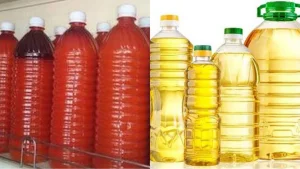
- Palm oil
- Groundnut oil
- Local rice
- Garri
- Yam flour
- Groundnut
- Dried fish
- Local spices
- BEVERAGES:
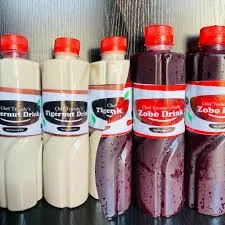
- Zobo drink
- Kunun drink
- Palm wine
- Local fruit juices
- AUTOMOBILES/VEHICLES:
- Innoson Motors (Nigerian car company)
- Assembled vehicles
- Motorcycles (some models)
- Tricycles (Keke NAPEP)
- ELECTRONICS:
- Limited local production
- Assembled radios and TVs
- Some computer accessories
- HOUSEHOLD ITEMS:
- Brooms (local)
- Baskets
- Mats
- Clay pots
- Soap (key soap)
ADVANTAGES OF MADE-IN-NIGERIA GOODS:
- Creates Jobs: Employs Nigerians
- Economic Growth: Money stays in Nigeria
- Often Cheaper: Less import costs
- Supports Local Industry: Helps businesses grow
- Cultural Preservation: Maintains traditions
- Reduces Import Dependency
- Builds National Pride
CHALLENGES:
- Poor quality (sometimes)
- Limited variety
- Lack of technology
- Poor packaging
- Negative perception (“foreign is better”)
- Inadequate marketing
FOREIGN-MADE GOODS
Definition: Products manufactured in other countries and imported into Nigeria.
EXAMPLES:
- TEXTILES:
- Chinese fabrics
- Italian suits
- American jeans (Levi’s)
- British clothing brands
- Indian materials
- FURNITURE:
- IKEA furniture (Sweden)
- Italian leather sofas
- Chinese furniture
- American office furniture
- LEATHER GOODS:
- Gucci (Italy)
- Louis Vuitton (France)
- Nike shoes (USA)
- Adidas (Germany)
- Chinese leather products
- FOOD PRODUCTS:
- Foreign rice (Thailand, India, USA)
- Imported wheat
- Foreign pasta
- Canned foods
- Foreign spices
- BEVERAGES:
- Coca-Cola (USA franchise)
- Foreign wines
- Energy drinks
- Imported fruit juices
- AUTOMOBILES:
- Toyota (Japan)
- Mercedes Benz (Germany)
- Honda (Japan)
- Ford (USA)
- Volkswagen (Germany)
- Peugeot (France)
- ELECTRONICS:
- Samsung (South Korea)
- Apple/iPhone (USA)
- LG (South Korea)
- Sony (Japan)
- HP computers (USA)
- Chinese phones (Tecno, Infinix)
- HOUSEHOLD ITEMS:
- Foreign detergents
- Imported toiletries
- Electronic appliances
- Kitchen equipment
ADVANTAGES OF FOREIGN GOODS:
- Often Better Quality: Advanced technology
- More Variety: Many options
- Better Packaging: Attractive presentation
- Durability: Last longer
- Innovation: Latest technology
- Brand Trust: Established reputation
DISADVANTAGES:
- Very Expensive: Import costs, taxes
- Kills Local Industry: Nigerians lose jobs
- Economic Loss: Money leaves Nigeria
- Dependency: Reliance on other countries
- Not Always Suitable: May not fit Nigerian conditions
- Currency Pressure: Demands for foreign exchange
COMPARISON TABLE
| Aspect | Made-in-Nigeria | Foreign-Made |
| Price | Usually cheaper | More expensive |
| Quality | Improving | Often better |
| Jobs | Creates Nigerian jobs | Creates foreign jobs |
| Economy | Helps Nigeria | Helps foreign countries |
| Availability | Readily available | Must be imported |
| Perception | Sometimes undervalued | Often overvalued |
BUY NIGERIAN CAMPAIGN
Purpose:
- Support local industries
- Create jobs
- Build economy
- Reduce imports
What You Can Do:
- Choose Nigerian products when possible
- Support local artisans
- Appreciate Nigerian quality
- Spread awareness
- Be proud of Nigerian goods
SUCCESS STORIES:
- Innoson Motors: Nigerian car manufacturer
- Aba Shoe Industry: Quality leather products
- Nigerian textiles: Beautiful fabrics
- Local food processors: Quality products
- Tech startups: Innovation
FUTURE PERSPECTIVE
For Nigeria to Compete:
- Improve quality
- Better technology
- Good packaging
- Marketing
- Government support
- Infrastructure
- Access to capital
- Training and skills
EVALUATION
- What are made-in-Nigeria goods?
- Give five examples of Nigerian-made products
- Name three foreign-made automobiles
- What are advantages of buying Nigerian products?
- Why are foreign goods expensive?
MULTIPLE CHOICE QUESTIONS
- Made-in-Nigeria goods are ________
- a) From China
- b) Produced in Nigeria
- c) From America
- d) From Europe
- Innoson Motors is ________
- a) Foreign company
- b) Nigerian car manufacturer
- c) Chinese company
- d) American company
- An advantage of Nigerian goods is ________
- a) Creates foreign jobs
- b) Creates Nigerian jobs
- c) Very expensive
- d) Always poor quality
- Toyota cars are from ________
- a) Nigeria
- b) Japan
- c) Ghana
- d) Kenya
- We should buy Nigerian products to ________
- a) Waste money
- b) Support our economy
- c) Look poor
- d) Copy others
ANSWERS: 1.b 2.b 3.b 4.b 5.b
HOMEWORK
- List ten made-in-Nigeria products you know
- List ten foreign products in your home
- Compare Nigerian and foreign products (advantages and disadvantages)
- Why should Nigerians buy locally made goods?
- Design a poster promoting “Buy Nigerian” campaign
This term's Social Studies topics
Basic 6 First Term · 10 topics
Get Social Studies as PDF and Word
Every week of Basic 6 Social Studies, First Term, formatted and ready to print. Ad-free, and the copy lock comes off.
Get this term Card, bank transfer, USSD or OPay
First Term Social Studies Lesson Notes for Other Topics
Meaning of Social Studies
Read the full lesson note.

Types of Family
Read the full lesson note.

Extended Family
Read the full lesson note.

Qualities of a Good Family
Read the full lesson note.
Culture
Read the full lesson note.

Values that Show Good Morals in Our Society
Read the full lesson note.

Meaning of a Family
Read the full lesson note.

Good Moral Values in Society II: Examples
Read the full lesson note.

Values that Show Bad Morals in our Society
Read the full lesson note.

Employment and Unemployment
Read the full lesson note.

External Influence on Nigeria Life
Read the full lesson note.

The Influence of Working Parents on Nigeria Family Cont'd
Read the full lesson note.

Intermarriage
Read the full lesson note.

Marital Failure
Read the full lesson note.

Foreign Culture Affecting our Values
Read the full lesson note.
Lesson Notes for Other Classes

Basic 1 Lesson Note
The complete lesson note to guide your studies.
Basic 2 Lesson Note
The complete lesson note to guide your studies.

Basic 3 Lesson Note
The complete lesson note to guide your studies.

Basic 4 Lesson Note
The complete lesson note to guide your studies.

Basic 5 Lesson Note
The complete lesson note to guide your studies.

JSS1 Lesson Note
The complete lesson note to guide your studies.