
Nigeria: Transportation – SS1 Geography Lesson Note (Third Term)
Download this term · ₦1,000Lesson note at a glance
- Subject
- Geography
- Class
- SS1
- Term
- Third Term
- Topic
- Nigeria: Transportation
- Order
- Topic 1 of 8 this term
- Reading time
- 10 min
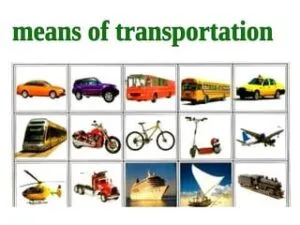
Transportation is the movement of people, goods and commodities from one place to another by land, water or air.
Behavioural objectives
By the end of the lesson, students should be able to:
- define transportation and name its main types;
- describe the three classes of roads in Nigeria, with examples;
- state the advantages, disadvantages and limitations of road, rail, air and water transport;
- suggest solutions to the problems of each type of transport;
- list the contributions of transportation to the economic development of Nigeria.
What are the types of transportation in Nigeria?
There are three main types of transportation in Nigeria: land, water and air.
- Land transport: movement on the ground by foot, animals, vehicles and trains.
- Water transport: movement on oceans, creeks, lagoons, lakes and rivers.
- Air transport: movement through the air by aircraft.
What is the difference between disadvantages and limitations?
A disadvantage is a weakness that belongs to a type of transport, while a limitation is a factor that restricts where or how well it can be used.
| Term | Meaning | Example |
|---|---|---|
| Disadvantage | A weakness within the transport type itself. | Air transport is very expensive. |
| Limitation | An outside factor that restricts its use. | Swamps make road building difficult. |
What is land transport?
Land transport is the movement of people and goods from one place to another by land.
There are four means of land transport: human portage, animal portage, road transport and rail transport.
- Human portage: movement on foot, that is, trekking. It is used where the distance is short.
- Animal portage: movement using animals such as horses, donkeys and camels. It is very common in northern Nigeria.
- Road transport: movement using motor cars, buses, motorcycles, lorries and trucks.
- Rail transport: movement using trains on railway lines.
What is road transport?
Road transport is the movement of people and goods by motor vehicles on roads.
What are the types of roads in Nigeria?
There are three types of roads in Nigeria: Trunk A, Trunk B and Trunk C.
| Type of road | Constructed and maintained by | Description and examples |
|---|---|---|
| Trunk A | Federal government | Dual carriageway or express roads linking federal and state capitals, for example Lagos to Ibadan, Warri to Benin, Onitsha to Enugu and the Kaduna to Zaria express road. |
| Trunk B | State government | Roads linking different areas within a state, for example Ikeja to Ojota, Ogba to Oshodi and Mile 2 to Badagry. |
| Trunk C (local roads) | Local government | In most cases, these roads are not tarred. |
What are the advantages of road transport?
The advantages of road transport are its wide use, door-to-door service and ability to feed other transport types.
- Common use: it is the most common means of transport.
- Door-to-door service: vehicles carry people and goods from the starting point to the final place.
- Supply of scarce goods: it makes goods available where they are scarce.
- Feeder role: it brings passengers and goods to water, rail and air transport.
What are the disadvantages of road transport?
The disadvantages of road transport are high cost, limited load, accidents and the need for daily upkeep.
- High cost: roads are very expensive to construct and maintain.
- Rainy season: roads are difficult to construct in the rainy season.
- Limited load: the goods and passengers carried by road are limited.
- Accidents: roads are more prone to accidents than any other means of transport.
- Daily upkeep: roads require adequate maintenance every day.
What are the limitations of road transport?
The limitations of road transport are rugged relief, swamps, soil erosion and lack of finance.
- Rugged relief: highlands and other uneven land make road building hard.
- Swampy areas: soft, waterlogged ground cannot carry a road easily.
- Soil erosion: heavy rain washes away parts of the road.
- Lack of finance: money is not enough to build and maintain roads.
What are the solutions to the problems of road transport?
The problems of road transport can be reduced by good road planning, bridges and steady funding.
- Lowlands and passes: build roads on lowlands, passes or gaps around mountain areas.
- Flyovers: construct flyovers in marshy areas.
- Bridges: construct bridges across rivers.
- Funds: provide money for road maintenance.
What is rail transport?
Rail transport is the movement of people and goods by train on railway lines.
- Gauge: the distance between the two rails of a railway track.
- Narrow gauge: a smaller gauge, which Nigeria uses mostly.
What are the advantages of rail transport?
The advantages of rail transport are low cost, bulk carrying, long-distance travel and opening up of new lands.
- Bulky goods: it is the most convenient means of transporting bulky goods.
- Low cost: it is cheap.
- Long distance: it can move people and goods over a very long distance.
- New lands: it helps to open up new lands.
What are the disadvantages of rail transport?
The disadvantages of rail transport are high cost of building, slow speed, delays at stations and dependence on roads.
- High cost: construction and maintenance cost a lot.
- Slow speed: trains are slow, so they are not suitable for perishable goods.
- Delays: constant stopping at each station and changing of passengers wastes time.
- Dependence on roads: it needs roads to feed it with passengers.
What are the limitations of rail transport?
The limitations of rail transport are slow speed, low patronage, old equipment, poor funding and lack of skills.
- Slow speed: rail transport is too slow.
- Low patronage: few people use it, and it faces high competition from other forms of transport.
- Old equipment: spare parts are lacking, and narrow gauge lines have single tracks.
- Inadequate funding: there is not enough money to run and improve the railways.
- Lack of technical know-how: there are not enough trained railway workers.
What are the solutions to the problems of rail transport?
The problems of rail transport can be reduced by modern tracks, trained staff, funds, spare parts and cheap fares.
- Modern rail system: develop wide gauges and multiple tracks.
- Training: train people in rail maintenance.
- Funding: fund rail transport properly.
- Spare parts: make spare parts available.
- Cheap fares: keep railway fares low to attract passengers.
What is air transport?
Air transport is the movement of people, goods and services from one place to another by air.
- Aircraft used: aeroplanes, helicopters and jets.
What are the types of airports in Nigeria?
There are two types of airports in Nigeria: international airports and domestic (local) airports.
- International airports: airports where planes that fly outside the country can take off or land, for example Murtala Muhammed International Airport (Lagos), Nnamdi Azikiwe International Airport (Abuja) and Port Harcourt International Airport.
- Domestic (local) airports: airports where planes that fly within the country, from one state to another, can take off or land.
What are the advantages of air transport?
The advantages of air transport are speed, direct routes, wide reach and quick delivery of urgent items.
- Speed: it is the fastest means of transport.
- Direct route: aircraft fly straight to the destination.
- Wide reach: it can reach anywhere, provided there are landing facilities.
- Crossing barriers: aeroplanes cross mountains, dense forests and large oceans with ease.
- Urgent items: medical supplies, machine parts and express mail are easily dispatched by aeroplane.
What are the disadvantages of air transport?
The disadvantages of air transport are very high cost, weather effects and safety risks.
- High cost: it is the most expensive means of transport, and aircraft and airport facilities are costly to operate and maintain.
- Bad weather: it is easily affected by bad weather, which makes visibility very poor.
- Safety: plane crashes and hijackings are risks to passengers.
What are the limitations of air transport?
The limitations of air transport are limited capital, lack of spare parts, weather hazards, low patronage and poor management.
- Limited capital: money to construct airports is not enough.
- Spare parts: aircraft parts are inadequate.
- Weather hazards: storms and poor visibility disturb flights.
- Low patronage: few people can afford the high fares.
- Poor management and security: airports are not always well run or well protected.
What are the solutions to the problems of air transport?
The problems of air transport can be reduced by loans, spare parts and efficient management.
- Loans: source loans for proper maintenance of airports and aeroplanes.
- Spare parts: procure the spare parts needed.
- Management: adopt efficient management.
What is water transport?
Water transport is the movement of people, goods and services by water.
There are two types of water transport: ocean navigation and inland water navigation.
- Ocean navigation: transport by water between Nigeria and other countries using the oceans, especially along the coastline.
- Inland water navigation: navigation along the creeks, lakes, lagoons and rivers in Nigeria.
What are the advantages of water transport?
The advantages of water transport are low cost, free use of the ocean, bulk carrying and relative safety.
- Cheapest between countries: it is the cheapest means of transport between countries.
- Free ocean: the ocean is free for all nations to use.
- Bulky goods: it moves bulky goods from one country to another during international trade.
- Low construction cost: cost is restricted to ships and ports.
- Long distance: it is good for carrying goods over a long distance.
- Safety: it is relatively safe.
What are the disadvantages of water transport?
The disadvantages of water transport are slow speed, high cost of ships and lack of skills.
- Slow speed: it is the slowest means of transport when compared to air and land transport.
- Cost of ships: acquiring a ship is very expensive.
- Cost of parts and upkeep: ship parts, construction and maintenance are costly.
- Lack of technical know-how: skilled ship workers are few.
What are the limitations of water transport?
The limitations of water transport are natural barriers on rivers, lack of a coastline and limited capital.
- Waterfalls, rapids and cataracts: they limit the use of rivers.
- Floating vegetation: plants on the water block the movement of boats.
- Coastline needed: it is only useful in countries with coastlines and ports. A landlocked country has no coastline, for example Niger and Chad.
- Seasonal rivers: most rivers do not carry enough water all year.
- Shallow rivers: most rivers are too shallow for large boats.
- Seasickness: some passengers fall ill on the water.
- Limited capital: money to construct seaports is not enough.
What are the solutions to the problems of water transport?
The problems of water transport can be reduced by dredging, loans, medical care on board and canals.
- Dredging: remove sand and mud from the river bed regularly to deepen rivers.
- Loans: grant loans to construct and maintain seaports.
- Medical care: improve medical facilities on board.
- Canals: construct canals to bypass waterfalls and cataracts.
How does transportation contribute to the economic development of Nigeria?
Transportation supports the economy by moving goods and people, and by linking places for trade.
- Movement of goods and services: it carries products from producers to buyers.
- Movement of people: workers, traders and students reach their destinations.
- Specific purposes: for example, air transport can be used for surveys.
- National and international trade: it links markets within Nigeria and with other countries.
- Opening up of new land: it makes remote areas reachable for settlement and farming.
- National integration: it brings people of different areas together.
- Development of tourism: it lets visitors reach tourist centres.
- Employment: drivers, pilots, sailors, engineers and many others earn a living from it.
- Generation of revenue: fares, fees and taxes bring in income.
What are the problems of transportation in Nigeria?
The problems of transportation in Nigeria are grouped into physical factors and human factors.
What are the physical factors?
Physical factors are problems caused by nature.
- Highlands: hills and mountains make construction hard.
- Long distance: far places raise the cost and time of travel.
- Marshy areas: swamps are difficult to build on.
- Many rivers: rivers need bridges or ferries to cross.
- Soil erosion: it damages roads and rail tracks.
- Poor visibility: fog and storms disturb air travel.
What are the human factors?
Human factors are problems caused by people and their decisions.
- Lack of capital: money to build and maintain transport systems is not enough.
- Lack of technical know-how: trained workers are few.
- Low patronage: too few users to make some services pay.
- Bad roads: poor roads slow movement and cause accidents.
Evaluation
- Define transportation.
- Name the three types of roads in Nigeria and state who constructs and maintains each.
- State four advantages of rail transport.
- State three limitations of water transport and suggest a solution to each.
- List four contributions of transportation to the economic development of Nigeria.
Assignment
Compare air transport and water transport in terms of speed and cost, and state two limitations of each.
This term's Geography topics
SS1 Third Term · 8 topics
Get Geography as PDF and Word
Every week of SS1 Geography, Third Term, formatted and ready to print. Ad-free, and the copy lock comes off.
Get this term Card, bank transfer, USSD or OPay
SS1 Geography Lesson Notes for Other Topics
Nigeria: Communication
Read the full lesson note.

Manufacturing Industries In Nigeria
Read the full lesson note.
Nigeria: Commercial Activities
Read the full lesson note.

ECOWAS
Read the full lesson note.
Map Reading And Measurements Of Distances On Maps
Read the full lesson note.

Conventional Symbols Direction And Bearing
Read the full lesson note.

Basic Concepts And Component Of GIS
Read the full lesson note.

Geography: An Introduction
Read the full lesson note.

The Earth's Rotation
Read the full lesson note.

The Earth's Revolution
Read the full lesson note.

Latitude & Longitude
Read the full lesson note.

The Earth's Structure
Read the full lesson note.

Rocks
Read the full lesson note.

Mountains
Read the full lesson note.

Lowlands
Read the full lesson note.
Lesson Notes for Other Classes

SS2 Lesson Note
The complete lesson note to guide your studies.

SS3 Lesson Note
The complete lesson note to guide your studies.
