
Manufacturing Industries in Nigeria – SS1 Geography Lesson Note (Third Term)
Download this term · ₦1,000Lesson note at a glance
- Subject
- Geography
- Class
- SS1
- Term
- Third Term
- Topic
- Manufacturing Industries in Nigeria
- Order
- Topic 3 of 8 this term
- Reading time
- 7 min
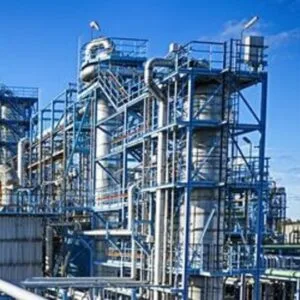
A manufacturing industry is a business that turns raw materials into new products by mechanical or chemical processes, at home or in a factory.
- Raw material: a natural or semi-processed material used to make something else, such as cotton, limestone or crude oil.
- Classes: industries are grouped as light, consumer goods or heavy, and as primary, secondary or tertiary.
- Location: it depends on raw materials, market, power, labour and similar factors.
Behavioural objectives
By the end of the lesson, students should be able to:
- define manufacturing industry and state its characteristics;
- classify industries into light, consumer goods and heavy industries, and into primary, secondary and tertiary industries;
- list the factors that affect the location of industries and the reasons why many are sited in urban areas;
- state the advantages and disadvantages of concentrating industries in one area;
- list the problems of manufacturing industries in Nigeria and their solutions;
- name local craft industries and the industrial zones of Nigeria, with examples of where they are found.
What are the characteristics of manufacturing industries in Nigeria?
Nigerian manufacturing industries share the following features.
- Foreign skilled labour: many industries rely on skilled workers from other countries.
- Foreign raw materials: many industries import part of their raw materials.
- Concentration: industries are found in a few locations, especially urban centres.
- Light industries: most factories make light goods.
- Labour intensive: they need a large labour force.
- Local market: most products are sold and used within Nigeria.
- Small scale: most firms are small.
How are manufacturing industries classified?
Industries are classified by the type of goods they produce and by their function.
What are the types of industries by type of goods?
There are three types of industries by type of goods: light, consumer goods and heavy industries.
1. Light industries
- Meaning: they produce relatively lightweight goods.
- Examples of products: matches, television sets, electric fans and books.
- Output: they produce final or consumable goods.
2. Consumer goods industries
- Meaning: they turn raw materials into goods that people buy and use directly.
- Examples of products: food, drinks, soap and clothing.
- Location: they are normally sited in cities, close to buyers.
3. Heavy industries
- Meaning: they produce heavy or bulky goods and use large machines.
- Examples: metallurgical industries, petroleum industries and shipbuilding industries.
What are the types of industries by function?
There are three types of industries by function: primary, secondary and tertiary industries.
1. Primary industries
- Meaning: they extract raw materials provided by nature.
- Other name: extractive industries.
- Examples: mining, fishing, lumbering, farming and livestock production.
2. Secondary industries
- Meaning: they turn raw materials into finished goods.
- Examples: construction, building and chemical industries.
3. Tertiary industries
- Meaning: they render services instead of making goods.
- Direct services: trading, banking, teaching and medical services.
- Indirect services: the police, customs and soldiers.
What factors affect the location of industries?
The location of an industry is decided mainly by the cost of getting raw materials, workers and customers together.
- Raw materials: siting near the source cuts the cost of carrying bulky materials.
- Market: nearness to buyers lowers the cost of delivering goods.
- Power: factories need a steady supply of electricity or fuel.
- Labour: there must be enough workers with the right skills.
- Capital: money is needed to build the factory and buy machines.
- Transport network: good roads, rail and ports move materials and goods.
- Government policies: incentives, taxes and industrial zones can attract firms.
- Political stability: investors avoid places with conflict and uncertainty.
Why are most manufacturing industries sited in urban areas?
Most industries are sited in urban areas because towns offer buyers, workers and services in one place.
- Large market: many people live there and buy goods.
- Labour: skilled and unskilled workers are easy to find.
- Transport network: roads and rail link the town to other places.
- Seaports and airports: they ease import of materials and export of goods.
- Finance: banks and other lenders are available.
- Infrastructure: water, electricity and communication are provided.
What is localisation of industries?
Localisation of industries is the siting of many industries in one particular area.
What are the advantages of concentrating industries in one area?
- Interdependence: industries can supply and buy from one another.
- Employment: more jobs are created.
- Mobility of labour: workers move easily from one firm to another.
- Social amenities: schools, hospitals and roads are provided.
- Healthy competition: firms try to improve their goods and prices.
- Organised markets: for example, cooperative societies develop.
- Subsidiary industries: related firms are attracted to the area.
- Innovation: competition leads to inventions and new methods.
What are the disadvantages of concentrating industries in one area?
- Congestion: traffic, industries and housing become crowded.
- Shortage of amenities: services cannot serve the growing population.
- Crime: armed robbery and car snatching can increase.
- Pollution: many factories pollute the air, water and land.
- War risk: the area becomes a target of attack in wartime.
- Rural-urban migration: people leave villages for the industrial area.
How does the industrial sector contribute to economic development?
The industrial sector contributes to development by creating jobs, income and infrastructure.
- Employment: factories provide jobs.
- Gross National Product (GNP): industrial output increases national income.
- Infrastructure: roads, power and water are developed.
- Manpower development: workers gain skills.
- Funding of education and research: taxes and company support help schools and research.
- Trade balance: local production reduces imports and exports can earn foreign exchange.
- Other sectors: industries buy farm products and use transport, banking and trade services.
What are the problems of manufacturing industries and their solutions?
Manufacturing industries in Nigeria face problems of supply, money, skills and management, and each has a solution.
What are the problems of manufacturing industries in Nigeria?
- Shortage of raw materials: local supply is not enough or not steady.
- Insufficient capital: many firms cannot raise enough money.
- Foreign dependence: industries rely on imported materials, machines and experts.
- Poor quality of labour: there are not enough trained workers.
- Political instability: it discourages investment.
- Poor management: weak planning leads to waste and failure.
- Competition from foreign goods: imported goods compete with local ones.
- Inadequate power supply: power cuts raise costs and reduce output.
What are the solutions to industrial problems?
- Acquisition of skills: train workers and managers.
- Good government policies: make clear rules that support local production.
- Active government participation: government can set up or support industries.
- Incentives to local industries: for example, loans and tax relief.
- Transport facilities: build and repair roads, rail and ports.
- Industrial zones: provide land, power and water in planned areas.
- Stable government: peace and steady policies encourage investors.
What are local craft (cottage) industries in Nigeria?
Local craft or cottage industries are small industries that use local raw materials and simple tools to make goods of high artistic quality.
| Craft | Examples of products | Where it is found |
|---|---|---|
| Leather works | Sandals, cushions, handbags | Kano, Bida and Sokoto |
| Wood carving | Stools, masks, carved doors | Ikot Ekpene, Uyo, Oyo, Benin City |
| Pottery and glass making | Pots, bowls, beads | Ikot Ekpene, Bida, Ilorin and Calabar |
| Rope and mat making | Ropes, mats, baskets | Ikot Ekpene, Warri and Kano |
| Brass and silver works | Bowls, trays, ornaments | Bida, Benin and Kano |
| Textile and cloth weaving | Woven cloth | Akwette, Okene, Kano and Iseyin |
What are the modern manufacturing industrial zones in Nigeria?
Nigeria has four main modern manufacturing zones: Western, South-East, North-Central and Mid-Western.
- The Western Industrial Zone: Lagos, Ibadan, Sango Ota, Abeokuta, Epe, Apapa, Ewekoro, Oshogbo, etc.
- The South-East Industrial Zone: Nkalagu, Onitsha, Port Harcourt, Enugu, Aba, Owerri, Calabar, etc.
- The North-Central Industrial Zone: Kano, Kaduna, Jos, Zaria, etc.
- The Mid-Western Industrial Zone: Warri, Benin, Sapele, Ughelli, etc.
Evaluation
- Define a manufacturing industry.
- State four characteristics of manufacturing industries in Nigeria.
- Distinguish between primary, secondary and tertiary industries, giving one example of each.
- Give four reasons why most manufacturing industries are sited in urban areas.
- State three disadvantages of concentrating industries in one area.
Assignment
List four problems of manufacturing industries in Nigeria and give one solution to each.
This term's Geography topics
SS1 Third Term · 8 topics
Get Geography as PDF and Word
Every week of SS1 Geography, Third Term, formatted and ready to print. Ad-free, and the copy lock comes off.
Get this term Card, bank transfer, USSD or OPay
SS1 Geography Lesson Notes for Other Topics

Nigeria: Transportation
Read the full lesson note.

Nigeria: Communication
Read the full lesson note.

Nigeria: Commercial Activities
Read the full lesson note.

ECOWAS
Read the full lesson note.

Map Reading And Measurements Of Distances On Maps
Read the full lesson note.

Conventional Symbols Direction And Bearing
Read the full lesson note.

Basic Concepts And Component Of GIS
Read the full lesson note.

Geography: An Introduction
Read the full lesson note.

The Earth's Rotation
Read the full lesson note.

The Earth's Revolution
Read the full lesson note.

Latitude & Longitude
Read the full lesson note.

The Earth's Structure
Read the full lesson note.

Rocks
Read the full lesson note.

Mountains
Read the full lesson note.

Lowlands
Read the full lesson note.
Lesson Notes for Other Classes

SS2 Lesson Note
The complete lesson note to guide your studies.

SS3 Lesson Note
The complete lesson note to guide your studies.
