Wages and Income Distribution – Basic 6 Social Studies Lesson Note (First Term)
Download this term · ₦1,000Lesson note at a glance
- Subject
- Social Studies
- Class
- Basic 6
- Term
- First Term
- Topic
- Wages and Income Distribution
- Order
- Topic 8 of 10 this term
- Reading time
- 4 min
LEARNING OBJECTIVES By the end of the lesson, pupils should be able to:
- Discuss the concept of wages and income distribution
- Itemize the relationship between income and standard of living
- Explain factors determining wages
- List causes of wage increase
- Identify factors in income management
Concept of wages and income
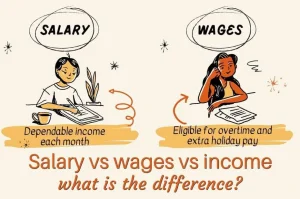
Wages: Payment received by workers for their labor, usually calculated per hour, day, week, or month.
Salary: Fixed regular payment, usually monthly, for non-manual work.
Income: All money received from various sources (wages, business, rent, investments).
Income distribution
Definition: How total income in a country or organization is shared among people.
Types:
- Equal distribution: Everyone gets same amount (rare)
- Unequal distribution: Some earn much more than others (common)
In Nigeria:
- Large gap between rich and poor
- Few people are very rich
- Many people are very poor
- Small middle class
Relationship between income and standard of living
Standard of Living: The level of wealth, comfort, material goods, and necessities available to a person or community.
High Income = High Standard of Living:
- Good housing
- Quality food
- Excellent healthcare
- Private education
- Car ownership
- Vacations
- Savings and investments
- Entertainment
Low Income = Low Standard of Living:
- Poor housing (slums)
- Insufficient food
- No healthcare
- Poor education
- No transport
- No savings
- Constant struggle
- Poverty
Medium Income = Average Standard:
- Decent housing
- Adequate food
- Basic healthcare
- Public school education
- Some comfort
Factors determining wages and income
- EDUCATION AND SKILLS:
- Higher education = higher pay
- Specialized skills valued
- Degrees and certificates matter
- TYPE OF JOB:
- Professional jobs pay more
- Skilled labor pays better than unskilled
- Dangerous jobs may pay more
- EXPERIENCE:
- More years = higher pay
- Expertise valued
- Senior positions better paid
- LOCATION:
- Urban areas pay more than rural
- Lagos salaries higher than small towns
- Cost of living affects wages
- EMPLOYER TYPE:
- Government vs private sector
- Large companies vs small businesses
- International companies pay more
- DEMAND AND SUPPLY:
- Scarce skills pay more
- Many workers = lower wages
- Few qualified people = higher pay
- ECONOMIC CONDITIONS:
- Good economy = better wages
- Recession = lower or stagnant wages
- Inflation affects purchasing power
- UNION STRENGTH:
- Strong unions negotiate better
- Collective bargaining power
- Strike threats
- MINIMUM WAGE LAWS:
- Government sets minimum
- Currently ₦30,000 in Nigeria
- Protects workers
- PERFORMANCE:
- Productivity affects pay
- Bonuses for good work
- Commission-based jobs
Causes of wage increase
- INFLATION:
- Prices rise
- Cost of living increases
- Need more money to survive
- Workers demand raises
- IMPROVED PRODUCTIVITY:
- Workers produce more
- Company makes more profit
- Rewards for efficiency
- HIGHER PROFITS:
- Business doing well
- Can afford to pay more
- Share success with workers
- TRADE UNION PRESSURE:
- Strikes and negotiations
- Collective demands
- Threaten work stoppage
- GOVERNMENT POLICY:
- Minimum wage increase
- Economic reforms
- Labor laws
- SHORTAGE OF WORKERS:
- Difficult to find qualified people
- Compete for talent
- Offer higher wages
- PROMOTION:
- Move to higher position
- More responsibilities
- Better pay
- ADDITIONAL QUALIFICATIONS:
- Further education
- New certificates
- Professional development
Aspects of income management
Income Management: Planning how to use money wisely.
- HOUSEHOLD NEEDS (Priority):
- Food (most important)
- Shelter (rent/housing)
- Clothing
- Utilities (electricity, water)
- Healthcare
- Transportation
- Education
Budgeting:
- Plan monthly expenses
- Track spending
- Prioritize essentials
- Avoid waste
- SAVINGS:
- Put money aside regularly
- Emergency fund
- Future goals
- Financial security
Tips:
- Save at least 10% of income
- Use bank accounts
- Don’t touch unless emergency
- INVESTMENTS:
- Make money grow
- Stocks, bonds
- Real estate
- Business ventures
- Agriculture
Benefits:
- Passive income
- Wealth building
- Future security
- CHARITY:
- Help the poor
- Give to religious institutions
- Community support
- Social responsibility
Religious Teaching:
- Islam: Zakat (2.5% of wealth)
- Christianity: Tithe (10% of income)
- Traditional: Community support
- RESERVES:
- Extra money for unexpected expenses
- Medical emergencies
- Job loss
- Repairs
- Opportunities
Good money management principles
- Live Within Your Means:
- Don’t spend more than you earn
- Avoid unnecessary debt
- Be content
- Prioritize:
- Needs before wants
- Essential before luxury
- Plan Ahead:
- Monthly budget
- Annual goals
- Long-term planning
- Avoid Waste:
- Don’t buy what you don’t need
- Maintain possessions
- Use wisely
- Increase Income:
- Develop skills
- Side businesses
- Investments
- Multiple income streams
EVALUATION
- What is the relationship between income and standard of living?
- List three factors determining wages
- What causes wage increase?
- Name five aspects of income management
- What percentage should you save from income?
Multiple choice questions
- Wages are ________
- a) Free money
- b) Payment for work
- c) Loans
- d) Gifts
- High income leads to ________
- a) Poverty
- b) High standard of living
- c) Suffering
- d) Nothing
- A factor determining wages is ________
- a) Hair color
- b) Education and skills
- c) Height
- d) Age only
- You should save at least ________ of income
- a) 0%
- b) 10%
- c) 100%
- d) 50%
- Income management includes ________
- a) Wasting money
- b) Household needs, savings, investment
- c) Only spending
- d) Borrowing only
ANSWERS: 1.b 2.b 3.b 4.b 5.b
HOMEWORK
- Explain the relationship between income and standard of living
- List and explain five factors determining wages
- What causes wages to increase?
- Describe the five aspects of income management
- Create a simple monthly budget for a family earning ₦100,000
This term's Social Studies topics
Basic 6 First Term · 10 topics
Get Social Studies as PDF and Word
Every week of Basic 6 Social Studies, First Term, formatted and ready to print. Ad-free, and the copy lock comes off.
Get this term Card, bank transfer, USSD or OPay
First Term Social Studies Lesson Notes for Other Topics
Meaning of Social Studies
Read the full lesson note.

Types of Family
Read the full lesson note.

Extended Family
Read the full lesson note.

Qualities of a Good Family
Read the full lesson note.

Culture
Read the full lesson note.

Values that Show Good Morals in Our Society
Read the full lesson note.

Meaning of a Family
Read the full lesson note.

Good Moral Values in Society II: Examples
Read the full lesson note.

Values that Show Bad Morals in our Society
Read the full lesson note.

Employment and Unemployment
Read the full lesson note.

Nigerian and Foreign-Made Goods
Read the full lesson note.

External Influence on Nigeria Life
Read the full lesson note.

The Influence of Working Parents on Nigeria Family Cont'd
Read the full lesson note.

Intermarriage
Read the full lesson note.

Marital Failure
Read the full lesson note.
Lesson Notes for Other Classes

Basic 1 Lesson Note
The complete lesson note to guide your studies.
Basic 2 Lesson Note
The complete lesson note to guide your studies.

Basic 3 Lesson Note
The complete lesson note to guide your studies.

Basic 4 Lesson Note
The complete lesson note to guide your studies.

Basic 5 Lesson Note
The complete lesson note to guide your studies.

JSS1 Lesson Note
The complete lesson note to guide your studies.