Religious Intolerance in Nigeria – Basic 6 Social Studies Lesson Note (First Term)
Download this term · ₦1,000Lesson note at a glance
- Subject
- Social Studies
- Class
- Basic 6
- Term
- First Term
- Topic
- Religious Intolerance in Nigeria
- Order
- Topic 6 of 10 this term
- Reading time
- 4 min
LEARNING OBJECTIVES By the end of the lesson, pupils should be able to:
- Describe the concept of religious intolerance
- Explain causes of religious intolerance
- Suggest ways of controlling religious intolerance
CONCEPT OF RELIGIOUS INTOLERANCE
Religious Intolerance: Refusal to accept or respect beliefs, practices, or people of religions different from your own.
Manifestations:
- Hatred toward other religions
- Violence against other faiths
- Discrimination
- Religious conflicts
- Refusal to associate with others
- Disrespect for others’ worship
MAJOR RELIGIONS IN NIGERIA:
- Christianity

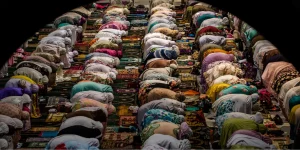
Islam
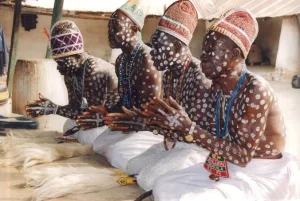
- Traditional African Religion
Examples of Intolerance:
- Christians refusing to greet Muslims
- Muslims destroying churches
- Christians burning mosques
- Forcing beliefs on others
- Religious riots
- Killings in the name of religion
CAUSES OF RELIGIOUS INTOLERANCE IN NIGERIA
- IGNORANCE:
- Not understanding other religions
- False information
- Stereotypes and assumptions
- Lack of education about tolerance
- EXTREMISM:
- Radical interpretation of religion
- Believing only your religion is right
- Seeing others as enemies
- Fundamentalism
- POLITICAL MANIPULATION:
- Politicians using religion for power
- Religious leaders in politics
- Divide and rule tactics
- Elections fought on religious lines
- POVERTY AND UNEMPLOYMENT:
- Desperate people easily manipulated
- Economic frustration
- Blaming other religions
- Youth used for violence
- HISTORICAL CONFLICTS:
- Past religious wars
- Grudges held for years
- Revenge attacks
- Cycle of violence
- ETHNIC DIFFERENCES:
- Religion mixed with ethnicity
- Hausa-Fulani seen as Muslim
- Igbo seen as Christian
- Yoruba mixed
- Difficult to separate
- COMPETITION FOR RESOURCES:
- Land disputes
- Political positions
- Economic opportunities
- Government favor
- LACK OF RELIGIOUS EDUCATION:
- Don’t know own religion well
- Misinterpret teachings
- Extreme views
- Hate preaching
- FOREIGN INFLUENCE:
- Funding from extremist groups abroad
- Import of radical ideologies
- External manipulation
- MEDIA SENSATIONALISM:
- Exaggerating differences
- Focusing on conflicts
- Spreading rumors
- Creating fear
EFFECTS OF RELIGIOUS INTOLERANCE
- Loss of Lives:
- Religious riots kill thousands
- Innocent people die
- Families destroyed
- Destruction of Property:
- Churches and mosques burnt
- Homes destroyed
- Businesses looted
- Economic loss
- Displacement:
- People fleeing homes
- Refugees
- Internally displaced persons (IDPs)
- Families separated
- Fear and Insecurity:
- Cannot worship freely
- Afraid in your community
- Suspicion everywhere
- National Disunity:
- Nigeria divided
- North vs South narratives
- No national cohesion
- Hinders development
- Economic Problems:
- Businesses close
- Investment flees
- Tourism affected
- Poverty increases
- Education Disruption:
- Schools closed
- Children traumatized
- Learning interrupted
CONTROL OF RELIGIOUS INTOLERANCE
- EDUCATION:
- Teach about all religions in schools
- Promote understanding
- Comparative religion studies
- Critical thinking
- DIALOGUE:
- Interfaith conversations
- Christian-Muslim forums
- Regular meetings
- Build relationships
- LAW ENFORCEMENT:
- Punish religious violence
- Arrest
perpetrators
- No immunity for religious leaders inciting violence
- Justice for victims
- GOVERNMENT NEUTRALITY:
- Secular state (no state religion)
- Equal treatment of all religions
- Fair resource distribution
- No religious favoritism in appointments
- RELIGIOUS LEADERS’ RESPONSIBILITY:
- Preach peace and tolerance
- Condemn violence
- Work together across faiths
- Set good examples
- Focus on similarities
- MEDIA RESPONSIBILITY:
- Balanced reporting
- Don’t sensationalize conflicts
- Promote peace messages
- Avoid inflammatory language
- Fact-check before publishing
- ECONOMIC DEVELOPMENT:
- Create jobs for youth
- Reduce poverty
- Equal opportunities
- Less frustration
- INTERFAITH ACTIVITIES:
- Joint community projects
- Sports together
- Cultural festivals
- Charity work together
- Visit each other’s places of worship
- FAMILY EDUCATION:
- Parents teach tolerance at home
- Respect for all religions
- No hate speech
- Positive interactions
- YOUTH ENGAGEMENT:
- Youth interfaith groups
- Peace clubs in schools
- Leadership training
- Alternative to extremism
SIMILARITIES BETWEEN RELIGIONS
All religions teach:
- Love and kindness
- Honesty
- Helping the poor
- Respect for parents
- Peace
- Forgiveness
- Hard work
- Moral living
Examples:
- Christians: “Love your neighbor”
- Muslims: “None of you believes until he loves for his brother what he loves for himself”
- Traditional: Community and harmony
SUCCESSFUL EXAMPLES OF TOLERANCE
In Nigeria:
- Many mixed religious families exist peacefully
- Christians and Muslims marry
- Neighbors of different faiths help each other
- Some communities celebrate together
- Northern Nigeria has Christian governors
- Southern Nigeria has Muslim leaders
ROLE OF STUDENTS
As Young People:
- Make friends across religions
- Respect all places of worship
- Don’t spread religious rumors
- Stand against religious bullying
- Learn about different religions
- Be peace ambassadors
- Report hate speech
- Practice your religion peacefully
EVALUATION
- What is religious intolerance?
- Name three causes of religious intolerance
- List four effects of religious intolerance
- How can religious intolerance be controlled?
- What role can youth play in promoting religious tolerance?
MULTIPLE CHOICE QUESTIONS
- Religious intolerance means ________
- a) Loving all religions
- b) Not accepting other religions
- c) Having no religion
- d) Peaceful coexistence
- A cause of religious intolerance is ________
- a) Education
- b) Ignorance and extremism
- c) Peace
- d) Love
- Religious intolerance leads to ________
- a) Peace
- b) Violence and division
- c) Unity
- d) Development
- To control religious intolerance, we need ________
- a) More violence
- b) Education and dialogue
- c) Hatred
- d) Separation
- All religions teach ________
- a) Hatred
- b) Violence
- c) Love and peace
- d) War
ANSWERS: 1.b 2.b 3.b 4.b 5.c
HOMEWORK
- Define religious intolerance and give three examples
- Explain five causes of religious intolerance in Nigeria
- What are the effects of religious intolerance on Nigeria?
- Suggest five ways to promote religious tolerance
- Write about one example of successful religious coexistence you know
This term's Social Studies topics
Basic 6 First Term · 10 topics
Get Social Studies as PDF and Word
Every week of Basic 6 Social Studies, First Term, formatted and ready to print. Ad-free, and the copy lock comes off.
Get this term Card, bank transfer, USSD or OPay
First Term Social Studies Lesson Notes for Other Topics
Meaning of Social Studies
Read the full lesson note.

Types of Family
Read the full lesson note.

Extended Family
Read the full lesson note.

Qualities of a Good Family
Read the full lesson note.
Culture
Read the full lesson note.

Values that Show Good Morals in Our Society
Read the full lesson note.
Meaning of a Family
Read the full lesson note.

Good Moral Values in Society II: Examples
Read the full lesson note.
Values that Show Bad Morals in our Society
Read the full lesson note.

Employment and Unemployment
Read the full lesson note.

Nigerian and Foreign-Made Goods
Read the full lesson note.

External Influence on Nigeria Life
Read the full lesson note.

The Influence of Working Parents on Nigeria Family Cont'd
Read the full lesson note.

Intermarriage
Read the full lesson note.

Marital Failure
Read the full lesson note.
Lesson Notes for Other Classes

Basic 1 Lesson Note
The complete lesson note to guide your studies.
Basic 2 Lesson Note
The complete lesson note to guide your studies.

Basic 3 Lesson Note
The complete lesson note to guide your studies.
Basic 4 Lesson Note
The complete lesson note to guide your studies.

Basic 5 Lesson Note
The complete lesson note to guide your studies.

JSS1 Lesson Note
The complete lesson note to guide your studies.