
Irrigation and Drainage – SS2 Agricultural Science Lesson Note (First Term)
Download this term · ₦1,000Lesson note at a glance
- Subject
- Agricultural Science
- Class
- SS2
- Term
- First Term
- Topic
- Irrigation and Drainage
- Order
- Topic 3 of 7 this term
- Reading time
- 9 min
Irrigation is the artificial application of water to land for farming, while drainage is the artificial removal of excess water from the soil.
Behavioural objectives
By the end of the lesson, students should be able to:
- define irrigation and drainage;
- state the factors that determine the choice of irrigation system;
- list the importance and negative effects of irrigation;
- describe surface, subsurface, sprinkler and drip irrigation, with their advantages and disadvantages;
- state ways of reducing disease outbreaks on an irrigated farm;
- list the importance of drainage and describe surface and subsurface drainage.
What is irrigation?
Irrigation is the artificial application of water to soil or land for farming purposes.

What factors determine the choice of irrigation system?
Five factors decide the irrigation system a farmer uses: water supply, slope, soil type, crop type and farm size.
- Availability of water: the farm needs a steady source such as a river, stream or dam.
- Slope of the land: surface irrigation needs a gentle slope and fails on hilly land.
- Soil type: surface flooding does not work well on sandy soil.
- Type of crop: some crops cannot stand heavy flooding, and sprinklers are not used for tree crops.
- Size of the farmland: the area to be watered affects the cost and the equipment needed.
What is the importance of irrigation in crop production?
Irrigation supplies water to crops when rainfall is not enough, so farming can continue and yields increase.
- Softens the soil: tillage operations become easier.
- Supplies moisture: roots absorb water from the soil.
- Dissolves nutrients: dissolved nutrients can be absorbed by the roots.
- Reduces topsoil salt: too much salt in the topsoil can injure crops.
- Cools the soil: it lowers soil temperature.
- Helps microbes: it supports microbial decomposition and the release of nutrients.
- Increases yield: crops do well and productivity rises.
- Allows year-round farming: crops can be grown in the dry season.
What are the negative effects of irrigation?
Irrigation has two main negative effects: it favours pests and diseases, and it spreads weed seeds.
- Pests and diseases: the humid environment favours their build-up.
- Weed seeds: flowing water carries and spreads them.
What are the types of irrigation system?
There are three types of irrigation system: surface, subsurface and overhead irrigation.
What is surface irrigation?
Surface irrigation is the system in which water from rivers, dams or streams flows over the land surface to the farmland.
- Forms: channels, flooding, contour ditches, furrows and basins.
- Condition: it needs a gentle slope to succeed.
Advantages of surface irrigation
- Removes excess water: it helps after heavy rainfall.
- Easy to set up: it is simple to establish.
- Cheap to maintain: running costs are low.
- Prevents alkali build-up: alkali does not accumulate in the soil.
- Boosts microbes: it increases microbial activity in the soil.
Disadvantages of surface irrigation
- Hilly land: it cannot be practised there.
- Sandy soil: it is not successful there.
- Poor water control: the volume is hard to control, especially in flooding.
- Crop damage: some crops cannot tolerate heavy flooding.
What is subsurface irrigation?
Subsurface irrigation is the system in which water is applied below the soil surface.
- Equipment: perforated pipes deliver water within the soil.
- Water movement: water reaches the roots by capillary action.
Advantages of subsurface irrigation
- Right depth: water can be kept at the best depth for crop needs.
- Efficient water use: little water is wasted.
- Low evaporation: losses from the soil surface are small.
- No obstruction: cultural practices can go on freely.
Disadvantages of subsurface irrigation
- Salty water: water with high salt content cannot be used.
- Skill needed: it requires technical know-how.
- Cost: it is a bit expensive.
What is overhead irrigation?
Overhead irrigation is the system in which water is supplied to the farmland from above the soil surface.
There are two types of overhead irrigation: sprinkler irrigation and drip irrigation.
What is sprinkler irrigation?
Sprinkler irrigation is the method in which water is sprayed through a nozzle under pressure and falls on the ground like rain.
Advantages of sprinkler irrigation
- Regulated supply: the amount of water can be controlled.
- Saves water: it economises the use of water.
- Dry areas: it suits arid lands with a high evapotranspiration rate.
- Wide crop use: it can be used for all crops except tree crops.
- Chemical application: soluble fertilisers and herbicides can be applied in the water.
Disadvantages of sprinkler irrigation
- High running cost: it is costly to operate.
- Wind: high wind speed prevents even distribution of water.
- Water supply: a stable supply is required.
- Power: high power is needed to produce the pressure for pumping water into pipes.
- Skill: there is a lack of technical know-how on sprinkler irrigation.
What is drip irrigation?
Drip irrigation is the method in which water is discharged through nozzles called emitters or drippers, at chosen spacing, to the soil surface near the base of each plant.
Advantages of drip irrigation
- Saves water: it is economical in the use of water.
- Less salt: it reduces salt concentration in the root zone.
- Fertiliser use: fertilisers can be applied through the system.
- Dry areas: it can be used in arid areas.
Disadvantages of drip irrigation
- Cost: it is very expensive to set up and maintain.
- Slopes: water cannot be distributed evenly on sloping farmland.
- Salty water: water with high salt content cannot be used.
What problems are associated with overhead irrigation?
- Wind: it distorts the sprinkler pattern and causes uneven watering.
- Spray force: it can damage soft fruits that are ripening.
- Water supply: a stable supply is needed for economic use of the equipment.
- Initial cost: the starting investment is usually high.
- Power: the power needed for pumping water is high.
- Skill: it requires technical know-how.
- Disease: it can spread diseases.
- Machines: lateral pipes hinder the movement of farm machines.
- Upkeep: maintenance, repair and spare parts are costly.
How do the irrigation systems compare?
| System | How water reaches the crop | Main limit |
|---|---|---|
| Surface | Flows over the land through channels, furrows or basins | Needs a gentle slope and fails on sandy soil |
| Subsurface | Perforated pipes below the surface, then capillary action | Needs skill and cannot use salty water |
| Sprinkler | Sprayed through nozzles under pressure like rain | High cost and power, and wind spoils the spread |
| Drip | Emitters release water near the base of the plant | Very expensive to set up and maintain |
What problems are associated with irrigation?
Irrigation problems come from water supply, cost, skill, pests, diseases and salt.
- Water shortage: the water supply for irrigation may be inadequate.
- High cost: irrigation equipment is expensive.
- Pests: pests from the surrounding area may invade irrigated areas and damage crops.
- Diseases: disease-causing organisms increase with increased humidity.
- Vectors: snails and mosquitoes breed freely in irrigated areas.
- Lack of skill: technical know-how is often missing.
- Salt damage: excess dissolved salt affects crops.
- Machine movement: channels and pipes disturb the free movement of farm machinery.
How can disease outbreaks be reduced on an irrigated farm?
Disease outbreaks on an irrigated farm are reduced by good crop, tool and water management.
- Resistant varieties: plant varieties that resist common diseases.
- Crop rotation: it breaks the life cycle of disease organisms.
- Appropriate chemicals: apply the right chemical at the recommended rate.
- Clean tools: they do not carry disease from one plot to another.
- Healthy planting materials: use clean seeds, stems and seedlings.
- Destroying infected crops: removing them prevents the spread of disease.
- Avoiding excessive irrigation: it keeps humidity from rising too high.
- Weed control: weeds can harbour pests and diseases.
What is drainage?
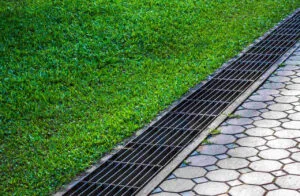
Drainage is the process whereby excess water in the soil is removed artificially to promote good farming activities.
What is the importance of drainage?
Drainage makes waterlogged land fit for farming and improves the soil for crops.
- Reclaims waterlogged soil: the land can be used for crop production again.
- Improves soil structure: it also improves the water-holding capacity of the soil.
- Improves aeration: roots get air for good respiration.
- Supports microbes: it gives suitable conditions for microbes that help decomposition.
- Raises soil temperature: drained soil warms up more easily.
- Leaches excess salt: it reduces soil salinity and prevents poisoning and death of plants.
- Reduces soil acidity: the soil becomes less acidic.
- Eases farm work: tillage and land preparation become easier, and the soil is workable and light.
- Reduces crop diseases: there are fewer disease cases on well-drained land.
- Allows early planting: crops can be planted earlier.
- Improves harvest: it helps in the harvest of crops such as swamp rice.
- Increases production: crop yields rise.
What are the types of drainage?
There are two types of drainage: surface drainage and subsurface drainage.
What is surface drainage?
Surface drainage is the orderly removal of excess water from the surface of the land using constructed open ditches, field drains and land grading.
Advantages of surface drainage
- Easy to construct: it is relatively simple to build.
- Cheaper: it costs less than subsurface drainage.
Disadvantages of surface drainage
- Loss of land: it occupies good land that could have been used for planting.
- Machines: it hinders the passage of tractors and impairs farm mechanisation.
- Erosion: it is prone to gully erosion.
- Maintenance: it requires frequent maintenance.
- Production cost: it increases the cost of production.
What is subsurface drainage?
Subsurface drainage is the orderly removal of excess water from the land using tiles, moles or perforated pipes buried underground.
It is also called underground drainage.
Advantages of subsurface drainage
- Safe for machines: it does not pose any threat to them.
- High-value crops: they can be grown.
- Clear surface: the field is free from surface obstruction.
- More land: more land is available for cultivation.
- Low maintenance cost: upkeep costs little.
- Efficient: drainage is faster and more efficient.
Disadvantages of subsurface drainage
- High cost: it is very expensive to operate.
- Hard to construct: it cannot easily be built.
- Deep digging: it needs very deep excavation of the soil.
- Hard to repair: blocked underground pipes are difficult to locate and repair.
How do surface and subsurface drainage differ?
| Feature | Surface drainage | Subsurface drainage |
|---|---|---|
| Method | Open ditches, field drains and land grading | Tiles, moles or perforated pipes underground |
| Land use | Takes up planting space | Leaves the surface free |
| Machines | Hinders tractors | No threat to machines |
| Cost to set up | Cheaper and easier | Expensive, with deep excavation |
| Maintenance | Frequent | Low cost |
Evaluation
- Define irrigation and drainage.
- State four factors that determine the irrigation system a farmer will use.
- Describe sprinkler irrigation and state two of its disadvantages.
- List four ways of reducing disease outbreaks on an irrigated farm.
- Distinguish between surface drainage and subsurface drainage.
Assignment
Make a table comparing surface irrigation and subsurface irrigation. Include the meaning, how water reaches the crop, three advantages and three disadvantages of each.
This term's Agricultural Science topics
SS2 First Term · 7 topics
Get Agricultural Science as PDF and Word
Every week of SS2 Agricultural Science, First Term, formatted and ready to print. Ad-free, and the copy lock comes off.
Get this term Card, bank transfer, USSD or OPay
SS2 Agricultural Science Lesson Notes for Other Topics

Environmental Physiology
Read the full lesson note.

Surveying And Planning Of Farmstead
Read the full lesson note.

Factors Affecting Nutrient Availability In The Soil
Read the full lesson note.
Environmental Factors Affecting Agricultural Productivity And Distribution
Read the full lesson note.

Plant Nutrient And Nutrient Cycle
Read the full lesson note.

Surveying And Planning Of Farmstead II
Read the full lesson note.

Forest Management
Read the full lesson note.

Floriculture And Ornamental Plants
Read the full lesson note.

Diseases In Crops
Read the full lesson note.
General Effects Of Diseases On Crop Production
Read the full lesson note.

Pest Of Crops
Read the full lesson note.
Pasture, Forage Crops And Range Management
Read the full lesson note.

Common Weeds Found On The Farm
Read the full lesson note.

Crop Improvement
Read the full lesson note.

Basic Economic Principles - Law of Demand, Supply & Diminishing Returns
Read the full lesson note.
Lesson Notes for Other Classes

SS1 Lesson Note
The complete lesson note to guide your studies.

SS3 Lesson Note
The complete lesson note to guide your studies.
