
Factors Affecting Nutrient Availability In The Soil SS2 Agricultural Science Lesson Note
Download Lesson NoteTopic: Factors Affecting Nutrient Availability In The Soil
Several factors can affect the availability of nutrients in the soil. These factors influence the ability of plants to uptake and utilize nutrients for their growth and development. Understanding these factors is crucial for optimizing soil fertility and ensuring optimal plant nutrition. Some key factors affecting nutrient availability in the soil include:
- Soil PH: Soil pH is a measure of soil acidity or alkalinity. Different nutrients have varying solubilities at different pH levels. Soil pH influences nutrient availability by affecting chemical reactions, nutrient forms, and microbial activity. For example, acidic soils (low pH) often have a limited availability of essential nutrients like phosphorus, calcium, and magnesium, whereas alkaline soils (high pH) may limit the availability of micronutrients like iron, manganese, and zinc.

- Level of Organic matter/Micro-Organisms in the soil
Organic matter plays a vital role in nutrient availability. It acts as a reservoir of nutrients and releases them gradually as it decomposes. Organic matter enhances soil structure, water-holding capacity, and microbial activity, which in turn influences nutrient cycling and availability. Soils with higher organic matter content generally have greater nutrient availability compared to soils with low organic matter content.
- Soil Texture: Soil texture refers to the relative proportions of sand, silt, and clay particles in the soil. Soil texture affects nutrient availability through its impact on water retention, drainage, and nutrient-holding capacity. Sandy soils tend to have lower nutrient-holding capacity and higher leaching potential, which can result in reduced nutrient availability. In contrast, clay soils have higher nutrient retention but may suffer from poor drainage and limited root penetration.
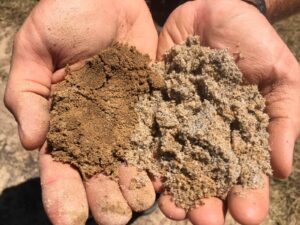
picture showing different soil textures
- Soil Moisture Content: Soil moisture and temperature affect microbial activity, nutrient cycling, and plant nutrient uptake. Adequate soil moisture is necessary for the movement and availability of nutrients in the soil. Excess moisture or waterlogging can lead to oxygen deficiency, affecting root health and nutrient uptake. Temperature affects the rate of microbial activity, which is essential for nutrient transformation and availability.
- Concentration Of Other Nutrients: Nutrient management practices, such as fertilizer application, organic amendments, and crop rotation, can significantly influence nutrient availability. Improper or excessive fertilizer application can lead to nutrient imbalances, leaching, or nutrient runoff, negatively impacting availability. Proper nutrient management practices that consider soil testing, balanced fertilization, and sustainable farming techniques help optimize nutrient availability.
Other factors include:
- Leaching
- Crop removal
- Oxidation and Reduction of organic materials
- Burning
- Erosion
WAYS IN WHICH SOIL NUTRIENTS CAN BE LEST
- Crop removal
- Erosion
- Leaching
- Soil Acidity
- Excess of other nutrients
- Oxidation and reduction of organic materials
First Term Agricultural Science Lesson Notes for Other Topics

Preservation of Farm Produce
Explore lesson notes covering all topics.

Factors that may Hinder Preservation
Explore lesson notes covering all topics.
Methods of Preserving the Farm Produce; Sun Drying, Smoking
Explore lesson notes covering all topics.

Preservation of Grains and Cereals Crops
Explore lesson notes covering all topics.

Preservation of Roots and Tubers Crops
Explore lesson notes covering all topics.

Preservation of Fruits: Orange, Banana, Tomatoes, Pawpaw...
Explore lesson notes covering all topics.
Conservation of Oil Crops: Soya Bean, Oil Palm, Groundnut
Explore lesson notes covering all topics.
Preservation of Vegetables
Explore lesson notes covering all topics.

Health And Safety
Explore lesson notes covering all topics.

Procedures For Crop Production
Explore lesson notes covering all topics.
Crop Production
Explore lesson notes covering all topics.

Planting Activities
Explore lesson notes covering all topics.
Post-Planting Activities
Explore lesson notes covering all topics.

Post-Harvesting Activities; Sorting, Grading, And Storage
Explore lesson notes covering all topics.
Harvesting Activities
Explore lesson notes covering all topics.


Lesson Notes for Other Classes

Basic 1 Lesson Note
The complete lesson note to guide your studies.

Basic 2 Lesson Note
The complete lesson note to guide your studies.

Basic 3 Lesson Note
The complete lesson note to guide your studies.

Basic 4 Lesson Note
The complete lesson note to guide your studies.

Basic 5 Lesson Note
The complete lesson note to guide your studies.

Basic 6 Lesson Note
The complete lesson note to guide your studies.