
Floriculture and Ornamental Plants – SS2 Agricultural Science Lesson Note (Second Term)
Download this term · ₦1,000Lesson note at a glance
- Subject
- Agricultural Science
- Class
- SS2
- Term
- Second Term
- Topic
- Floriculture and Ornamental Plants
- Order
- Topic 2 of 6 this term
- Reading time
- 6 min
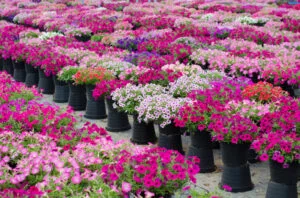
Floriculture is the branch of horticulture concerned with the production and management of flowers and other ornamental plants.
Behavioural objectives
- Define floriculture and ornamental plants.
- State the importance of ornamental plants.
- Name common ornamental trees, shrubs and flowers.
- Describe how ornamental plants are cultivated and where planting materials can be obtained.
- List the ways of maintaining horticultural plants and flowers.
What are the key terms in floriculture?
The key terms are horticulture, floriculture, ornamental plants, florist, vegetative part, stolon, rhizome and pruning.
- Horticulture: the growing of fruits, vegetables, flowers and ornamental plants, usually on a small scale.
- Floriculture: the part of horticulture that deals with flowers and ornamental plants.
- Ornamental plants: beautiful trees, shrubs or flowers grown to decorate the environment.
- Florist: a person who grows, arranges or sells flowers.
- Vegetative part: a piece of stem, root, leaf or other plant part used to grow a new plant.
- Stolon: a stem that creeps along the soil surface and forms new plants at its nodes.
- Rhizome: an underground stem that grows sideways and produces new shoots, as in canna lily.
- Pruning: cutting off unwanted or overgrown branches to shape the plant and improve growth.
What conditions do ornamental plants need?
Ornamental plants need a well-drained site, suitable planting material and regular care.
- Site: they are grown on well-drained sites.
- Propagation: they are grown from seeds or vegetative parts.
- Care: they need regular watering, weeding, pruning and shade.
Why are ornamental plants important?
Ornamental plants are important for their economic, environmental and social uses.
Economic importance
- Employment: they provide jobs, for example for florists.
- Income: they are a source of income to growers and sellers.
- Government revenue: they are a source of revenue to the government.
- Tourism: gardens and parks serve as tourist centres.
Environmental importance
- Beautification: they make the environment attractive.
- Air purification: they take in carbon dioxide and give out oxygen.
- Shade: trees give shade from the sun.
- Windbreaks: rows of trees reduce the speed of strong wind.
- Fencing: shrubs can form living fences around compounds.
Social and other uses
- Decoration: they decorate homes, offices, churches and halls.
- Gifts: they express love and are given on special occasions.
- Education: they are used for teaching and learning.
- Medicine: some are used in medicinal preparations.
- Food: some parts are eaten.
- Livestock feed: some are used to feed animals.
- Dyes: some are used to prepare dyes.
What are the common ornamental trees, shrubs and flowers?
Ornamental plants are grouped into three: ornamental trees, ornamental shrubs and ornamental flowers.

| Group | Meaning |
|---|---|
| Ornamental trees | Tall plants with one main woody stem, grown for beauty and shade. |
| Ornamental shrubs | Woody plants with several stems from the base, grown for colourful leaves or flowers. |
| Ornamental flowers | Plants grown mainly for their attractive flowers. |
What are examples of ornamental trees?
- Frangipani: a small tree grown for its scented flowers.
- Royal palm: a tall palm with a straight trunk, often planted along drives.
- Indian almond: a large tree grown for shade.
- Casuarinas: evergreen trees often planted as windbreaks.
- Delonix: the flamboyant tree, with bright flowers and wide shade.
- Others: neem cassia, balsam and Flame of Forest.
What are examples of ornamental shrubs?
- Hibiscus: a shrub with large showy flowers, often used as a hedge.
- Bougainvillea: a shrub with colourful papery bracts around small flowers.
- Crotons: shrubs grown for their brightly coloured leaves.
- Acalypha: a shrub grown for its coloured leaves.
- Ixora: a shrub that bears clusters of small flowers.
- Allamanda: a shrub with yellow, trumpet-shaped flowers.
- Others: cauliflower, wild rose, zinnia and Dutchman’s pipe.
What are examples of ornamental flowers?
- Sunflower: a tall plant with a large yellow flower head, grown from seeds.
- Marigold: a low plant with yellow or orange flowers, grown from seeds.
- Canna lily: a flowering plant grown from rhizomes.
- Lantana: a plant with clusters of small, colourful flowers.
- Morning glory: a climbing plant with funnel-shaped flowers.
- Others: justicia, crotalaria, water lettuce, commelina and clitoria.
How are ornamental plants cultivated?
Ornamental plants are cultivated by preparing a good site, choosing planting material, planting and then caring for the plants.
What are the steps in cultivation?
- Select a site that is well-drained and easily accessible.
- Clear the site and prepare the soil.
- Choose the planting material: seeds or vegetative parts.
- Plant by one of the methods below.
- Water, weed and give shade regularly.
- Add organic manure to improve the soil.
What planting materials are used?
Ornamental plants are grown from seeds or from vegetative parts such as stems, roots, leaves, stolons and rhizomes.
| Planting material | Notes |
|---|---|
| Seeds | Used for plants such as sunflower and marigold. |
| Stems | Cut pieces of stem, used for plants such as hibiscus and bougainvillea. |
| Roots | Pieces or suckers of root that produce new shoots. |
| Leaves | Some plants grow from leaves, for example podophyllum. |
| Stolons | Creeping stems that root at the nodes. |
| Rhizomes | Underground stems, used for plants such as canna lily. |
What are the methods of cultivation?
There are four ways of planting ornamental plants: prepared bed, direct sowing, nylon bag and pots.
What are the ways of planting?
- Prepared bed: plants are set out in beds made by loosening and levelling the soil.
- Direct sowing: seeds are sown straight into the soil where they will grow.
- Nylon bag: seedlings or cuttings are raised in bags of soil, then transplanted.
- Pots: plants are grown in pots, so they can be moved indoors or around the compound.
How are plants raised in nylon bags?
- Fill the bags with loose topsoil mixed with organic manure.
- Sow the seed or plant the cutting in the bag.
- Water the bag and place it under shade.
- Keep watering and weeding until the plant is well established.
- Transplant it to the bed or permanent site.
What practices support growth?
- Provision of shades: protects young plants from strong sun.
- Organic manuring: adds nutrients to the soil.
- Regular weeding: removes plants that compete for water and nutrients.
- Regular watering: keeps the soil moist, especially in the dry season.
Where can planting materials be obtained?
Planting materials can be obtained from six main sources.
- Private horticultural gardens: established gardens that raise plants for sale.
- Botanical gardens: those of higher institutions.
- Government horticultural centres: centres owned by the government.
- Private houses and offices: plants growing there can supply seeds or cuttings.
- Imports: imported ornamental trees and flowers.
- Resort or recreational centres: gardens kept at such centres.
How are horticultural plants and flowers maintained?
Horticultural plants and flowers are maintained by shading, watering, weeding, fertiliser application, fencing and pruning.
| Practice | Purpose |
|---|---|
| Provision of shades | Protects plants from too much sun. |
| Regular watering | Supplies the water plants need to grow and flower. |
| Regular weeding | Reduces competition from weeds. |
| Fertiliser application | Supplies nutrients for healthy growth. |
| Fencing | Keeps out animals and people that may damage the plants. |
| Regular pruning | Shapes the plant and removes dead or overgrown parts. |
Evaluation
- Define floriculture and ornamental plants.
- State five uses of ornamental plants.
- Name three examples each of ornamental trees, shrubs and flowers.
- List four sources of planting materials for ornamental plants.
- State four ways of maintaining horticultural plants and flowers.
Assignment
- List the four ways of planting ornamental plants and name four vegetative parts that can be used as planting materials.
This term's Agricultural Science topics
SS2 Second Term · 6 topics
- Forest Management
- Floriculture and Ornamental Plants
- Diseases in Crops
- General Effects of Diseases on Crop Production
- Pest of Crops
- Pasture, Forage Crops and Range Management
Get Agricultural Science as PDF and Word
Every week of SS2 Agricultural Science, Second Term, formatted and ready to print. Ad-free, and the copy lock comes off.
Get this term Card, bank transfer, USSD or OPay
SS2 Agricultural Science Lesson Notes for Other Topics

Forest Management
Read the full lesson note.

Diseases In Crops
Read the full lesson note.
General Effects Of Diseases On Crop Production
Read the full lesson note.
Pest Of Crops
Read the full lesson note.
Pasture, Forage Crops And Range Management
Read the full lesson note.

Environmental Physiology
Read the full lesson note.

Surveying And Planning Of Farmstead
Read the full lesson note.
Irrigation And Drainage
Read the full lesson note.
Factors Affecting Nutrient Availability In The Soil
Read the full lesson note.
Environmental Factors Affecting Agricultural Productivity And Distribution
Read the full lesson note.
Plant Nutrient And Nutrient Cycle
Read the full lesson note.

Surveying And Planning Of Farmstead II
Read the full lesson note.

Common Weeds Found On The Farm
Read the full lesson note.

Crop Improvement
Read the full lesson note.
Basic Economic Principles - Law of Demand, Supply & Diminishing Returns
Read the full lesson note.
Lesson Notes for Other Classes

SS1 Lesson Note
The complete lesson note to guide your studies.

SS3 Lesson Note
The complete lesson note to guide your studies.
