Process of Changing Culture and Difference – Basic 5 Social Studies Lesson Note (First Term)
Download Lesson NoteLesson note at a glance
- Subject
- Social Studies
- Class
- Basic 5
- Term
- First Term
- Topic
- Process of Changing Culture and Difference
- Order
- Topic 3 of 9 this term
- Reading time
- 2 min
Performance objectives
By the end of the lesson, most of the pupils should have attained the following objectives:
- State the way life affects changes in cultures and traditions
- Make a list of different Nigerian languages
Entry behavior
The pupils can identify some of the cultural changes.
Instructional materials
The teacher will teach the lesson with the aid of map of Nigeria showing different languages.
Method of teaching
Choose a suitable and appropriate methods for the lessons.
Note – Irrespective of choosing methods of teaching, always introduce an activities that will arouse pupils interest or lead them to the lessons.
Reference materials
- Scheme of Work
- 9-Year Basic Education Curriculum
- Course Book – Basic Social Studies for Primary Schools 4 with Security Education by E.E Eterna, J.A Olamigos, C.C Iwulu, J.A Adegoke
- All Relevant Materials
- Online Information
Content of the lesson
Lesson 1 – introduction
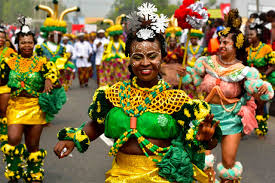
Culture is the way of life of a group of people. These cultures vary from one community to another.
A good culture might be a bad culture to another community.
To protect cultural diversity, there is a need for change; changes are not automatic but a process.
They take education through enlightenment, discussion to convince one another and dialogue among people.
Processes of changing culture and differences: how cultures can be changed?
1. EDUCATION
Enlightening people in school, at home, by telling tales by moonlight, workshops, seminars, training, etc.
2. DISCUSSION
This is when people come together to sincerely speak their mind on the need to change a particular culture.
3. DIALOGUE
This is coming together of people to agree on a certain issue.
Lesson 2 – different languages in Nigeria
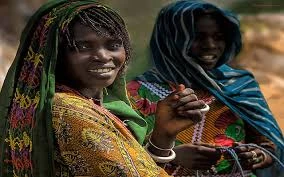
There are over two hundred and fifty different languages in Nigeria. Some of these languages are:
- Yoruba
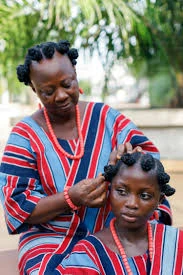
2. Igbo

3. Hausa
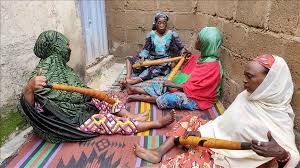
4. Efik
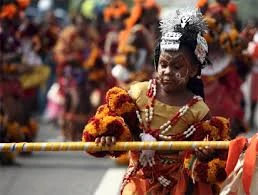
5. Kanuri
6. Idoma

7. Tiv
8. Fulani
9. Ewan
10. Annai
11. Nupe
12. Ibibio
13. Urhobo
14. Isoko
15. Bura/ak etc.
This term's Social Studies topics
Basic 5 First Term · 9 topics
First Term Social Studies Lesson Notes for Other Topics
Meaning of Social Studies
Read the full lesson note.

Types of Family
Read the full lesson note.

Extended Family
Read the full lesson note.

Qualities of a Good Family
Read the full lesson note.
Culture
Read the full lesson note.

Values that Show Good Morals in Our Society
Read the full lesson note.
Meaning of a Family
Read the full lesson note.

Good Moral Values in Society II: Examples
Read the full lesson note.
Values that Show Bad Morals in our Society
Read the full lesson note.

Employment and Unemployment
Read the full lesson note.

Nigerian and Foreign-Made Goods
Read the full lesson note.

External Influence on Nigeria Life
Read the full lesson note.

The Influence of Working Parents on Nigeria Family Cont'd
Read the full lesson note.

Intermarriage
Read the full lesson note.

Marital Failure
Read the full lesson note.
Lesson Notes for Other Classes

Basic 1 Lesson Note
The complete lesson note to guide your studies.
Basic 2 Lesson Note
The complete lesson note to guide your studies.

Basic 3 Lesson Note
The complete lesson note to guide your studies.
Basic 4 Lesson Note
The complete lesson note to guide your studies.
Basic 6 Lesson Note
The complete lesson note to guide your studies.

JSS1 Lesson Note
The complete lesson note to guide your studies.