
Environmental Resources – SS2 Geography Lesson Note (First Term)
Lesson note at a glance
- Class
- SS2
- Subject
- Geography
- Term
- First Term
- Reading time
- 5 min
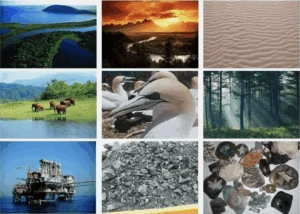
What are environmental resources?
Environmental resources are the parts of the natural environment that give direct or indirect benefits to living organisms, including humans.
- Life support: they sustain life, for example air to breathe and water to drink.
- Ecosystem support: they keep plants, animals and soils working together.
- Economic use: people use them for farming, industry, energy and building.
Behavioural objectives
By the end of the lesson, students should be able to:
- define environmental resources;
- name the five types of environmental resources covered in this lesson;
- give examples of each type;
- state the importance of each type of resource to man.
What are the types of environmental resources?
There are five types of environmental resources: human, mineral, air, water and land resources.
| Type | Meaning | Examples |
|---|---|---|
| Human | People and how they use and manage the environment | Farmers, miners, foresters |
| Mineral | Useful substances in the Earth’s crust | Ores, metals, fossil fuels, gemstones |
| Air | Gases of the atmosphere | Oxygen, nitrogen, carbon dioxide |
| Water | All water on Earth, on the surface and underground | Rivers, lakes, oceans, aquifers |
| Land | The Earth’s surface that gives space and soil | Arable land, topsoil |
What are human resources?
Human resources are the human population and their interactions with the environment.
- Use: how people use natural resources within a geographical area.
- Effect: how people affect the environment by their activities.
- Management: how people manage and protect natural resources.
What are examples of human resources?
- Farmers: use land and water to produce food.
- Urban planners: plan how land is used in towns and cities.
- Fishermen: harvest fish from rivers, lakes and the sea.
- Foresters: manage and protect forests.
- Miners: extract minerals from the ground.
Why are human resources important to man?
- Humans manage and use natural resources such as land, water and forests, which are needed for food and economic activities.
- Human activities affect ecosystems, biodiversity and the health of the environment.
- Humans adopt sustainable practices, which meet present needs without harming the ability of future generations to meet theirs.
- Urban planning and land use management influence where people live and their effect on the environment.
- Human effort supports conservation and the restoration of ecosystems damaged by human activities.
What are mineral resources?
Mineral resources are naturally occurring substances in the Earth’s crust that have economic value.
- Extraction: they are dug or drilled out of the ground.
- Processing: they are treated for industrial, technological and construction use.
What are examples of mineral resources?
- Ores: rocks from which metals are obtained, such as iron ore and tin ore.
- Metals: materials such as iron, copper and gold.
- Fossil fuels: energy minerals such as crude oil, natural gas and coal.
- Gemstones: valuable stones used as jewellery.
Why are mineral resources important to man?
- Minerals provide raw materials for manufacturing and construction, which supports economic development.
- Many minerals are parts of technological devices such as phones, computers and renewable energy equipment.
- Limestone, granite and sand are used to build houses, roads and bridges.
- Coal and uranium are sources of energy for generating electricity.
- Mining and related industries create jobs.
- Many countries earn revenue from exporting minerals and so take part in the global economy.
What are air resources?
Air resources are the gases that make up the Earth’s atmosphere.
- Nitrogen: the largest part of the air.
- Oxygen: the gas living things need for respiration.
- Carbon dioxide: the gas plants use for photosynthesis.
- Trace gases: other gases present in small amounts.
Why must air quality be protected?
- Health: clean air is important for human health.
- Environment: polluted air harms plants, animals and the climate.
- Causes of pollution: human activities and industrial processes, such as vehicle exhaust and gas flaring.
Why are air resources important to man?
- Oxygen: supplies the gas needed for respiration.
- Nitrogen: supports plant growth.
- Temperature: the atmosphere protects life on Earth by regulating temperature.
What are water resources?
Water resources are all the water available on Earth, found on the surface and underground.
- Surface water: lakes, rivers and oceans.
- Groundwater: water stored underground, reached by wells and boreholes.
What are examples of water resources?
- Freshwater: lakes, rivers and underground aquifers.
- Oceans: salt water that covers most of the Earth’s surface.
Why are water resources important to man?
- Freshwater: vital for drinking, agriculture and industrial processes.
- Oceans: provide food, support marine biodiversity and influence climate patterns.
- Ecosystems: all water resources sustain living things and their habitats.
What are land resources?
Land resources are the physical surface of the Earth that provides space for living, together with soil, water, vegetation and minerals.
- Ecosystems: land supports forests, grasslands and other habitats.
- Agriculture: land is used for crops and livestock.
- Settlements: land provides space for towns, villages and industries.
What are examples of land resources?
- Arable land: land suitable for growing crops.
- Topsoil: the upper layer of soil, rich in nutrients and humus.
Why are land resources important to man?
- Arable land: essential for agriculture and food production, which supports human life.
- Topsoil: necessary for plant growth and the health of ecosystems.
Evaluation
- Define environmental resources.
- List the five types of environmental resources and give one example of each.
- State three ways in which mineral resources are important to man.
- State two ways in which water resources are important to man.
- Name three gases that make up air resources.
Assignment
Explain how human resources help to achieve sustainable use of environmental resources, and state the importance of arable land and topsoil to man.
This term's Geography topics
SS2 First Term · 10 topics
SS2 Geography Lesson Notes for Other Topics

Action Of Running Water
Read the full lesson note.

Action Of Wind
Read the full lesson note.

Glacial Action
Read the full lesson note.

Action Of Wave
Read the full lesson note.

Climate & Climate Classification
Read the full lesson note.

Climate & Climate Classification II
Read the full lesson note.

Vegetation
Read the full lesson note.
Renewable And Non-Refundable Resources
Read the full lesson note.
Environmental Problems
Read the full lesson note.
Environmental Conservation
Read the full lesson note.

Transportation In Nigeria
Read the full lesson note.

Manufacturing Companies In Nigeria
Read the full lesson note.

Commercial Activities In Nigeria
Read the full lesson note.

World Population I
Read the full lesson note.

World Population II
Read the full lesson note.
Lesson Notes for Other Classes

SS1 Lesson Note
The complete lesson note to guide your studies.

SS3 Lesson Note
The complete lesson note to guide your studies.
