Drug Abuse – Basic 6 Basic Technology Lesson Note (First Term)
Download this term · ₦1,000Lesson note at a glance
- Subject
- Basic Technology
- Class
- Basic 6
- Term
- First Term
- Topic
- Drug Abuse
- Order
- Topic 16 of 24 this term
- Reading time
- 3 min
Learning Objectives
By the end of the lesson, pupils should be able to:
- Describe what drug abuse is
- Enumerate drugs that are mostly abused
- Appraise the effects of drug abuse to man and society
Content
What is Drug Abuse? Drug abuse is the use of drugs in wrong ways or for wrong purposes. It includes:
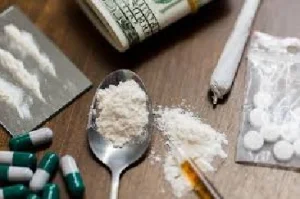
- Taking drugs without doctor’s prescription
- Taking more than the recommended dose
- Taking someone else’s medicine
- Using drugs to get “high” or feel different
- Continuing to use drugs even when they harm you
What is Drug Addiction? Drug addiction is when a person becomes dependent on a drug and cannot stop using it even though it causes harm.
Drugs That Are Mostly Abused (Hard Drugs)
- Stimulants (Speed up body functions)
- Cocaine – White powder, highly addictive
- Methamphetamine (Meth) – Crystal-like substance
- Caffeine – In excess from energy drinks
- Depressants (Slow down body functions)
- Alcohol – Beer, wine, spirits
- Sleeping pills – When misused
- Sedatives – Calming drugs
- Narcotics/Opioids (Pain relievers)
- Heroin – Very dangerous, illegal
- Morphine – When abused
- Codeine – In cough syrups when misused
- Hallucinogens (Cause hallucinations)
- Cannabis/Marijuana/Indian Hemp – Makes people see things that aren’t real
- LSD – Causes severe hallucinations
- Inhalants
- Glue – Sniffing causes brain damage
- Petrol fumes
- Paint thinner
- Other Commonly Abused Substances
- Tobacco/Cigarettes – Causes lung diseases
- Tramadol – Pain reliever often abused
- Rohypnol – Sleeping pill
- Steroids – Muscle-building drugs
Signs of Drug Abuse
- Sudden behavior changes
- Loss of interest in school/activities
- New group of friends
- Red or glassy eyes
- Weight loss or gain
- Poor hygiene
- Stealing money
- Lying frequently
- Poor academic performance
Effects of Drug Abuse on the Individual
Physical Effects:
- Damage to brain and nervous system
- Heart problems and high blood pressure
- Liver and kidney damage
- Lung diseases (from smoking)
- Weak immune system (easy to get sick)
- Weight loss and malnutrition
- Risk of HIV/AIDS (from shared needles)
- Premature death
Mental/Emotional Effects:
- Depression and anxiety
- Memory loss and poor concentration
- Hallucinations (seeing/hearing things that aren’t real)
- Aggressive behavior and violence
- Poor judgment and decision-making
- Mental illness
- Suicide thoughts
Social Effects:
- Family problems and conflicts
- Loss of friends and relationships
- Poor performance in school
- Loss of job or career
- Financial problems
- Involvement in crime
- Homelessness
- Social isolation
Effects of Drug Abuse on Society
- Crime Increase – Drug users may steal to buy drugs
- Violence – Fights and conflicts related to drugs
- Accidents – Car crashes from drunk/drugged driving
- Healthcare Burden – Hospitals treating drug-related problems
- Loss of Productive Citizens – Young people unable to work
- Family Breakdown – Marriages and families destroyed
- Economic Loss – Money spent on treatment and security
- Corruption – Drug trafficking corrupts officials
- School Dropout – Students abandoning education
- Bad Image – Community reputation damaged
How to Prevent Drug Abuse
- Say NO to drugs firmly
- Choose good friends
- Stay busy with positive activities (sports, reading, hobbies)
- Talk to trusted adults when pressured
- Learn about dangers of drugs
- Avoid bad company
- Build self-confidence
- Set life goals and work toward them
- Participate in anti-drug campaigns
- Report drug dealers to authorities
What to Do If Someone Offers You Drugs
- Say “NO” clearly and firmly
- Walk away immediately
- Tell a trusted adult (parent, teacher)
- Avoid that person in future
- Don’t be afraid to lose “friends” who use drugs
Activities
- Role-play: refusing drugs from peers
- Create anti-drug posters
- Watch educational video on drug abuse
- Group discussion on staying drug-free
- Write pledges to remain drug-free
This term's Basic Technology topics
Basic 6 First Term · 24 topics
- Athletics: Field Event (High Jump)
- Drawing with Computer (Cont’d)
- Drugs
- Volleyball Game
- Microsoft Paint
- Drug Abuse
- Personal Healthcare
- Scratch Programming: The 3S of Scratch
- The Human Reproductive System
- Basketball Game
- The Scripts of Scratch Programming
Get Basic Technology as PDF and Word
Every week of Basic 6 Basic Technology, First Term, formatted and ready to print. Ad-free, and the copy lock comes off.
Get this term Card, bank transfer, USSD or OPay
First Term Basic Technology Lesson Notes for Other Topics

Energy IV
Read the full lesson note.
Energy III
Read the full lesson note.
Energy II
Read the full lesson note.

Energy I
Read the full lesson note.

Movement (Throwing)
Read the full lesson note.

Parts of a Computer
Read the full lesson note.
Non-Living Things
Read the full lesson note.

Moving our Body Parts
Read the full lesson note.
Living Things II
Read the full lesson note.
Movement
Read the full lesson note.
Basic Computer
Read the full lesson note.
Living Things
Read the full lesson note.
Revision of First Term : PHE
Read the full lesson note.

CPU (Central Processing Unit)
Read the full lesson note.
Water II
Read the full lesson note.
Lesson Notes for Other Classes

Basic 1 Lesson Note
The complete lesson note to guide your studies.
Basic 2 Lesson Note
The complete lesson note to guide your studies.
Basic 3 Lesson Note
The complete lesson note to guide your studies.
Basic 4 Lesson Note
The complete lesson note to guide your studies.
Basic 5 Lesson Note
The complete lesson note to guide your studies.

JSS1 Lesson Note
The complete lesson note to guide your studies.