
Personal Healthcare Basic 6 Basic Technology Lesson Note
Download Lesson NoteTopic: Personal Healthcare
Learning Objectives
By the end of the lesson, pupils should be able to:
- Identify materials needed for personal health care
- Explain meaning of personal health care
- Justify the importance of personal health care
- Compare between clean teeth and dirty teeth
- Investigate the causes and prevention of dental problems
Content
What is Personal Healthcare? Personal healthcare is taking care of your own body to stay clean, healthy, and prevent diseases. It involves daily habits that keep you healthy.
Materials Needed for Personal Healthcare
- Bathing Materials

- Soap or body wash
- Sponge or washcloth
- Towel
- Shampoo
- Water
- Oral/Dental Care Materials
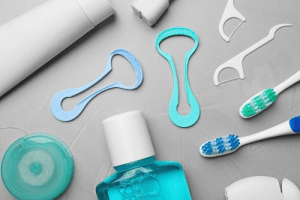
- Toothbrush (soft bristles)
- Toothpaste (fluoride)
- Dental floss
- Mouthwash
- Tongue cleaner
- Hair Care Materials
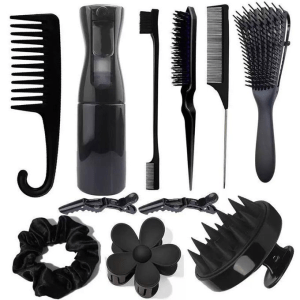
- Comb or brush
- Shampoo
- Hair cream or oil
- Hair clipper (for boys)
- Nail Care Materials
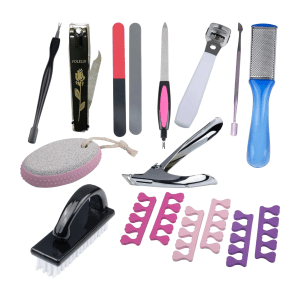
- Nail clipper
- Nail file
- Nail brush
- Clothing Care Materials
- Clean clothes
- Underwear (changed daily)
- Handkerchief or tissue
- Other Materials
- Deodorant (for older pupils)
- Hand sanitizer
- Moisturizer/body lotion
Importance of Personal Healthcare
- Prevents Diseases – Keeps germs away
- Improves Appearance – Look neat and presentable
- Boosts Confidence – Feel good about yourself
- Prevents Body Odor – Smell fresh and clean
- Promotes Social Acceptance – People like clean persons
- Prevents Skin Infections – Protects skin from diseases
- Maintains Good Health – Keeps body functioning well
- Shows Self-Respect – Demonstrates you value yourself
- Prevents Parasites – Keeps lice and other parasites away
- Professional Success – Important for school and future jobs
Personal Healthcare Habits
Daily:
- Brush teeth twice (morning and night)
- Bath at least once
- Wash hands before eating and after toilet
- Wear clean clothes
- Comb hair
- Use handkerchief
Weekly:
- Cut fingernails and toenails
- Wash hair 2-3 times
- Change bedsheets
Regular:
- Visit doctor for check-ups
- Visit dentist (every 6 months)
- Exercise regularly
- Get enough sleep (8-10 hours)
Dental Care (Detailed)
Clean Teeth vs Dirty Teeth
Clean Teeth:
- White or light yellow color
- No food particles stuck
- Fresh breath
- Pink, healthy gums
- No pain or sensitivity
- Strong and firm
Dirty Teeth:
- Yellow or brown stains
- Food stuck between teeth
- Bad breath (halitosis)
- Red, swollen gums that may bleed
- Tooth decay (cavities)
- Toothache and pain
- Loose teeth
Dental Problems
- Tooth Decay (Cavities)
- Cause: Bacteria + Sugar = Acid that damages enamel
- Prevention: Brush regularly, limit sugary foods, use fluoride toothpaste
- Gum Disease (Gingivitis)
- Cause: Plaque buildup, poor oral hygiene
- Prevention: Brush and floss daily, visit dentist
- Bad Breath (Halitosis)
- Cause: Poor hygiene, bacteria, certain foods, gum disease
- Prevention: Brush teeth and tongue, use mouthwash, stay hydrated
- Tooth Sensitivity
- Cause: Worn enamel, exposed roots, cavities
- Prevention: Use soft brush, avoid acidic foods, see dentist
- Plaque and Tartar
- Cause: Bacteria film that hardens if not removed
- Prevention: Regular brushing, flossing, dental cleaning
Proper Tooth Brushing Technique
- Use pea-sized amount of toothpaste
- Hold brush at 45-degree angle to gums
- Brush outer surfaces in gentle circular motions
- Brush inner surfaces the same way
- Brush chewing surfaces back and forth
- Brush tongue to remove bacteria
- Rinse mouth thoroughly
- Brush for at least 2 minutes
- Brush twice daily (morning and night)
Foods Good for Teeth
- Milk and cheese (calcium)
- Crunchy vegetables (carrots, celery)
- Apples
- Water (washes away food)
- Nuts
Foods Bad for Teeth
- Candy and sweets
- Soft drinks and soda
- Sticky foods
- Acidic foods (excess citrus)
- Very hard foods (can crack teeth)
Activities
- Demonstrate proper tooth brushing
- Compare clean vs dirty teeth models
- Create personal hygiene schedules
- Practice handwashing technique
- Make posters about dental care
First Term Basic Technology Lesson Notes for Other Topics
Scratch Programming - The 3S of Scratch
Explore lesson notes covering all topics.
The Human Reproductive System
Explore lesson notes covering all topics.

Basketball Game
Explore lesson notes covering all topics.
The Scripts of Scratch Programming
Explore lesson notes covering all topics.

Puberty
Explore lesson notes covering all topics.

Football Game
Explore lesson notes covering all topics.
The Scripts of Scratch Programming (Cont'd)
Explore lesson notes covering all topics.
Living and Non-living Things
Explore lesson notes covering all topics.
Creativity - Rhythmic Activites
Explore lesson notes covering all topics.
Introduction to Artificial Intelligence
Explore lesson notes covering all topics.
Growing Crops
Explore lesson notes covering all topics.
Creativity - Rhythmic Activites (Contd)
Explore lesson notes covering all topics.

Introduction to Artificial Intelligence (Cont'd)
Explore lesson notes covering all topics.

The Circulatory System
Explore lesson notes covering all topics.

Athletics - Field Event (Long Jump)
Explore lesson notes covering all topics.
Lesson Notes for Other Classes

Basic 2 Lesson Note
The complete lesson note to guide your studies.

Basic 3 Lesson Note
The complete lesson note to guide your studies.

Basic 4 Lesson Note
The complete lesson note to guide your studies.

Basic 5 Lesson Note
The complete lesson note to guide your studies.

JSS1 Lesson Note
The complete lesson note to guide your studies.
JSS2 Lesson Note
The complete lesson note to guide your studies.