Food Safety – Basic 5 Home Economics Lesson Note (Third Term)
Download Lesson NoteLesson note at a glance
- Subject
- Home Economics
- Class
- Basic 5
- Term
- Third Term
- Topic
- Food Safety
- Order
- Topic 3 of 8 this term
- Reading time
- 5 min
Learning objectives
By the end of the lesson, pupils should be able to: i. discuss the meaning of food safety ii. justify the importance of food safety iii. write food safety rules
Previous knowledge
Pupils eat food daily and have basic understanding of cleanliness and hygiene.
Lesson content
A. meaning of food safety
Food safety refers to the practices and procedures used to prevent food from becoming contaminated with harmful bacteria, viruses, chemicals, or other substances that could make people sick. It involves keeping food clean, safe, and healthy from the time it is grown or produced until it is eaten.
B. components of food safety
- Safe Food Handling
- Proper washing of hands before touching food
- Using clean utensils and surfaces for food preparation
- Avoiding cross-contamination between raw and cooked foods
- Following proper cooking temperatures and times
- Safe Food Storage
- Storing food at correct temperatures
- Keeping food covered and protected from pests
- Using appropriate containers for different types of food
- Following proper storage time limits
- Safe Food Preparation
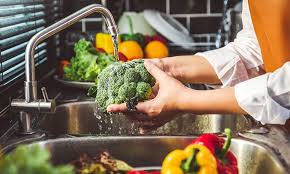
- Washing fruits and vegetables thoroughly
- Cooking food to safe internal temperatures
- Using safe water for cooking and cleaning
- Maintaining clean cooking environment
C. importance of food safety
- Health Protection
- Prevents foodborne illnesses – diseases caused by eating contaminated food
- Reduces risk of food poisoning – symptoms like vomiting, diarrhea, stomach pain
- Protects vulnerable groups – children, elderly, pregnant women, and sick people are most at risk
- Prevents serious diseases – some foodborne bacteria can cause severe illness or death
- Maintains nutritional value – proper handling preserves vitamins and minerals in food
- Economic Benefits
- Reduces medical costs – fewer doctor visits and medication expenses
- Prevents food waste – proper storage and handling make food last longer
- Saves time – no time lost due to illness from contaminated food
- Protects family budget – less money spent on replacing spoiled food
- Supports productivity – healthy people can work and study better
- Social Benefits
- Family well-being – everyone stays healthy and happy
- Community health – prevents spread of foodborne diseases
- Social activities – can confidently share meals with others
- Reputation protection – known for serving safe, clean food
- Cultural preservation – maintains traditional foods safely
- Educational Benefits
- Life skills development – learning important survival skills
- Responsibility training – taking care of family health
- Scientific understanding – learning about bacteria and disease prevention
- Critical thinking – making informed decisions about food choices
D. food safety rules
- Personal Hygiene Rules
Hand Washing Rules:
- Wash hands with soap and clean water before handling food
- Wash hands after using toilet, touching animals, or handling garbage
- Scrub hands for at least 20 seconds with soap
- Dry hands with clean towel or air dry
- Use hand sanitizer if soap and water not available
Personal Cleanliness Rules:
- Keep fingernails short and clean
- Tie back long hair when cooking
- Wear clean clothes when preparing food
- Cover cuts and wounds with clean bandages
- Don’t cook when sick with stomach illness
- Food Preparation Rules
Before Cooking:
- Wash all fruits and vegetables under running water
- Check expiration dates on packaged foods
- Inspect food for signs of spoilage or damage
- Use separate cutting boards for meat and vegetables
- Defrost frozen food safely in refrigerator or cold water
During Cooking:
- Cook food to safe internal temperatures
- Stir food regularly to ensure even cooking
- Don’t taste food with same spoon repeatedly
- Keep raw foods separate from cooked foods
- Use clean utensils for different foods
- Food Storage Rules
Temperature Control:
- Keep cold foods cold (below 40°F or 4°C)
- Keep hot foods hot (above 140°F or 60°C)
- Don’t leave perishable foods at room temperature for more than 2 hours
- Store leftovers in refrigerator within 2 hours of cooking
- Freeze foods that won’t be used within recommended time
Container and Location Rules:
- Store food in clean, covered containers
- Keep food off the floor and away from chemicals
- Use airtight containers for dry goods
- Label containers with contents and date
- Store raw meat on bottom shelf of refrigerator
- Kitchen Cleanliness Rules
Surface Cleaning:
- Clean and sanitize all work surfaces before and after food preparation
- Use hot, soapy water to clean cutting boards and utensils
- Sanitize surfaces with bleach solution or commercial sanitizer
- Replace sponges and dishcloths regularly
- Keep kitchen towels clean and dry
Equipment Maintenance:
- Clean refrigerator regularly and check temperature
- Keep stove and oven clean
- Wash dishes in hot, soapy water
- Allow dishes to air dry or use clean towels
- Clean can openers after each use
- Water Safety Rules
- Use safe, clean water for drinking and cooking
- Boil water if unsure about safety
- Store clean water in covered containers
- Don’t use water from unsafe sources
- Clean water storage containers regularly
E. common food safety mistakes to avoid
- Cross-Contamination
- Using same cutting board for raw meat and vegetables
- Not washing hands between handling different foods
- Storing raw meat above ready-to-eat foods
- Using same utensils for raw and cooked foods
- Temperature Abuse
- Leaving food at room temperature too long
- Not cooking food to safe temperatures
- Cooling hot food too slowly
- Reheating food inadequately
- Poor Personal Hygiene
- Not washing hands properly or frequently enough
- Cooking while sick
- Not covering hair while cooking
- Wearing dirty clothes while preparing food
F. signs of unsafe food
- Visual Signs

- Mold growth on food
- Unusual colors or discoloration
- Slimy or sticky texture
- Visible insects or pests
- Smell Signs
- Sour or rotten odors
- Unusual or strong smells
- Chemical-like odors
- Any smell that seems “off”
- Texture Signs

- Slimy vegetables
- Soft spots on fruits
- Sticky surfaces on meat
- Mushy texture when should be firm
Practical activity
Students will practice proper hand washing technique and identify safe vs. unsafe food handling practices through demonstration and role-play.
Teaching AIDS
Pictures of safe and unsafe food handling practices, thermometer, soap and water for hand washing demonstration, examples of spoiled and fresh foods
Evaluation questions
- What is food safety?
- Why is food safety important for health?
- List 5 food safety rules for personal hygiene
- How should food be stored safely?
- What are signs that food may be unsafe to eat?
This term's Home Economics topics
Basic 5 Third Term · 8 topics
Third Term Home Economics Lesson Notes for Other Topics

Home Accidents II
Read the full lesson note.
Home Accidents I
Read the full lesson note.

Marketing of Petroleum Jelly
Read the full lesson note.

Making of Liquid Soap
Read the full lesson note.
How to make Disinfectant Dettol
Read the full lesson note.

Cooking Methods
Read the full lesson note.
Cooking Methods Baking, Roasting, Frying 2
Read the full lesson note.
Cooking Methods Baking, Roasting, Frying
Read the full lesson note.

Cooking Of Food
Read the full lesson note.
Food Contamination
Read the full lesson note.
Care Of Personal Belongings
Read the full lesson note.

Uses Of Personal And Family Resources
Read the full lesson note.
Laundry Agent Tools and Equipment
Read the full lesson note.

Basic Stitches - Temporary Stitches
Read the full lesson note.
Snacks and Fruit Drinks
Read the full lesson note.
Lesson Notes for Other Classes

Basic 1 Lesson Note
The complete lesson note to guide your studies.

Basic 2 Lesson Note
The complete lesson note to guide your studies.

Basic 3 Lesson Note
The complete lesson note to guide your studies.

Basic 4 Lesson Note
The complete lesson note to guide your studies.

Basic 6 Lesson Note
The complete lesson note to guide your studies.

JSS1 Lesson Note
The complete lesson note to guide your studies.