
Cooking Of Food Basic 5 Home Economics Lesson Note
Download Lesson NoteTopic: Cooking Of Food

LEARNING OBJECTIVES
By the end of the lesson, pupils should be able to: i. explain the meaning of cooking ii. discuss the reasons for cooking food iii. list methods of cooking food
PREVIOUS KNOWLEDGE
Pupils have observed cooking activities and eaten cooked food.
LESSON CONTENT
A. MEANING OF COOKING
Cooking is the process of preparing food by applying heat to change its texture, flavor, appearance, and nutritional properties. It involves using various methods and techniques to transform raw ingredients into safe, palatable, and digestible meals.
B. REASONS FOR COOKING FOOD
- Safety and Health Reasons
Killing Harmful Microorganisms:
- Bacteria destruction – heat kills dangerous bacteria like Salmonella and E. coli
- Virus elimination – cooking destroys viruses that can cause illness
- Parasite removal – heat eliminates parasites in meat and fish
- Toxin neutralization – cooking can destroy some natural toxins in foods
- Food safety assurance – properly cooked food is safer to eat
Improving Digestibility:
- Protein breakdown – heat denatures proteins making them easier to digest
- Starch gelatinization – cooking makes starches more digestible
- Cell wall breakdown – heat breaks down tough plant cell walls
- Enzyme inactivation – stops harmful enzyme activity
- Nutrient availability – makes some nutrients more available for absorption
- Taste and Palatability Reasons
Flavor Development:
- Maillard reactions – browning creates complex, appealing flavors
- Caramelization – heat transforms sugars into rich, sweet flavors
- Aroma enhancement – cooking releases appealing food aromas
- Texture improvement – creates desired textures from crispy to tender
- Taste concentration – reduces water content, concentrating flavors
Sensory Appeal:
- Visual attractiveness – cooking creates appealing colors and presentation
- Temperature preference – many foods taste better when served hot
- Texture variety – creates different textures from same ingredients
- Flavor combination – allows mixing of flavors from different ingredients
- Nutritional Reasons
Nutrient Enhancement:
- Increased bioavailability – some nutrients become more available when cooked
- Lycopene in tomatoes – cooking increases this beneficial antioxidant
- Beta-carotene – cooking makes this vitamin A precursor more available
- Protein quality – cooking can improve protein quality and digestibility
Nutrient Conservation:
- Proper cooking methods – can preserve vitamins and minerals
- Reduced antinutrients – cooking eliminates substances that block nutrient absorption
- Food combination – cooking allows beneficial food combinations
- Preservation Reasons
Extended Shelf Life:
- Bacterial reduction – cooking reduces spoilage bacteria
- Enzyme inactivation – stops enzymes that cause food deterioration
- Moisture reduction – some cooking methods remove water, preventing spoilage
- Combined preservation – cooking often combined with other preservation methods
Food Storage:
- Batch cooking – allows preparation of meals in advance
- Freezing compatibility – many cooked foods freeze better than raw
- Leftover creation – cooked foods can be safely stored and reheated
- Social and Cultural Reasons
Cultural Expression:
- Traditional foods – cooking methods preserve cultural heritage
- Family bonding – cooking and eating together strengthens relationships
- Celebration foods – special cooking for holidays and occasions
- Regional identity – local cooking styles define communities
Social Interaction:
- Hospitality – cooked meals show care for guests and family
- Sharing traditions – passing cooking knowledge to next generation
- Community building – shared meals bring people together
C. METHODS OF COOKING FOOD
- Moist Heat Cooking Methods These methods use water, steam, or other liquids to cook food.
Boiling:

- Description: Cooking food in water at 212°F (100°C)
- Best for: Pasta, rice, potatoes, vegetables, eggs
- Advantages: Simple, doesn’t require fat, preserves natural flavors
- Disadvantages: Can overcook food, may lose water-soluble vitamins
Steaming:
- Description: Cooking food with steam from boiling water
- Best for: Vegetables, fish, dumplings, rice
- Advantages: Preserves nutrients, maintains color, gentle cooking
- Disadvantages: Takes longer, requires special equipment
Simmering:

- Description: Cooking in liquid just below boiling point
- Best for: Soups, stews, sauces, tough cuts of meat
- Advantages: Gentle cooking, develops flavors, good for tough foods
- Disadvantages: Takes longer time, requires attention
Poaching:
- Description: Cooking gently in liquid at low temperature
- Best for: Eggs, fish, fruits, delicate foods
- Advantages: Very gentle, preserves delicate textures
- Disadvantages: Requires skill, limited to certain foods
- Dry Heat Cooking Methods These methods use hot air, metal, or fat to cook food without added moisture.
Baking:
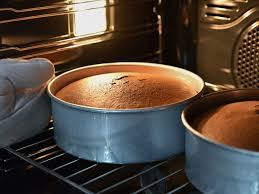
- Description: Cooking with dry heat in an oven
- Best for: Bread, cakes, casseroles, vegetables, fish
- Advantages: Even cooking, hands-off method, develops good flavors
- Disadvantages: Takes time, uses energy, requires oven
Roasting:

- Description: Cooking large pieces of food with dry heat in oven
- Best for: Whole chicken, beef, pork, large vegetables
- Advantages: Creates crispy exterior, rich flavors, impressive presentation
- Disadvantages: Takes long time, can dry out food, requires large oven
Grilling:
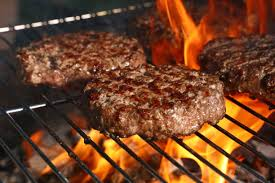
- Description: Cooking over direct heat source
- Best for: Meat, vegetables, fruits, sandwiches
- Advantages: Quick cooking, distinctive flavor, healthy cooking method
- Disadvantages: Requires attention, can char food, weather dependent (outdoor)
Broiling:

- Description: Cooking under direct heat from above
- Best for: Thin cuts of meat, fish, vegetables
- Advantages: Quick cooking, creates browning, doesn’t require turning
- Disadvantages: Easy to overcook, requires close watching
- Fat-Based Cooking Methods These methods use oil, butter, or other fats as cooking medium.
Frying:

- Description: Cooking food in hot fat or oil
- Types: Shallow frying, deep frying, stir-frying
- Best for: Meat, vegetables, fish, potatoes
- Advantages: Quick cooking, creates crispy textures, rich flavors
- Disadvantages: Adds calories, can be messy, requires oil
Sautéing:
- Description: Cooking quickly in small amount of fat over high heat
- Best for: Vegetables, small pieces of meat, seafood
- Advantages: Quick, preserves color and texture, uses little fat
- Disadvantages: Requires attention, easy to overcook
- Combination Cooking Methods These methods use both moist and dry heat.
Braising:
- Description: Browning food first, then cooking slowly in liquid
- Best for: Tough cuts of meat, root vegetables
- Advantages: Tenderizes tough foods, develops rich flavors
- Disadvantages: Takes long time, requires two-step process
Stewing: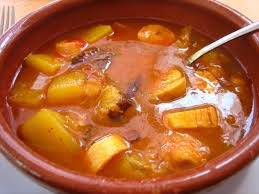
- Description: Cooking small pieces of food slowly in liquid
- Best for: Tough meat cut into pieces, mixed vegetables
- Advantages: One-pot cooking, economical, nutritious
- Disadvantages: Takes time, can overcook vegetables
D. CHOOSING THE RIGHT COOKING METHOD
- Consider the Food Type
- Tender foods – quick cooking methods like grilling, sautéing
- Tough foods – slow, moist methods like braising, stewing
- Delicate foods – gentle methods like poaching, steaming
- Dense foods – penetrating heat methods like baking, roasting
- Consider Time Available
- Quick meals – frying, grilling, sautéing
- Advance preparation – braising, roasting, baking
- Minimal attention – baking, roasting, simmering
- Active cooking – stir-frying, sautéing, grilling
- Consider Equipment Available
- Stovetop only – boiling, frying, sautéing, steaming
- Oven available – baking, roasting, broiling
- Outdoor cooking – grilling, roasting over fire
- Minimal equipment – boiling, steaming with improvised steamer
- Consider Health Goals
- Low-fat cooking – steaming, poaching, grilling, baking
- High-fat cooking – frying, sautéing with oil
- Nutrient preservation – steaming, quick cooking methods
- Flavor development – roasting, grilling, browning methods
PRACTICAL ACTIVITY
Students will observe different cooking methods being demonstrated and identify which method is being used for different foods.
TEACHING AIDS
Various cooking equipment, pictures of different cooking methods, food samples, cooking demonstration setup
EVALUATION QUESTIONS
- What is cooking?
- Give 4 reasons why we cook food
- Name 3 moist heat cooking methods
- What is the difference between baking and roasting?
- Which cooking method would you use for tough meat and why?
Third Term Home Economics Lesson Notes for Other Topics

Home Accidents II
Explore lesson notes covering all topics.

Home Accidents I
Explore lesson notes covering all topics.

Marketing of Petroleum Jelly
Explore lesson notes covering all topics.

Making of Liquid Soap
Explore lesson notes covering all topics.

How to make Disinfectant Dettol
Explore lesson notes covering all topics.
Cooking Methods
Explore lesson notes covering all topics.
Cooking Methods Baking, Roasting, Frying 2
Explore lesson notes covering all topics.
Cooking Methods Baking, Roasting, Frying
Explore lesson notes covering all topics.

Food Contamination
Explore lesson notes covering all topics.

Food Safety
Explore lesson notes covering all topics.

Care Of Personal Belongings
Explore lesson notes covering all topics.

Uses Of Personal And Family Resources
Explore lesson notes covering all topics.
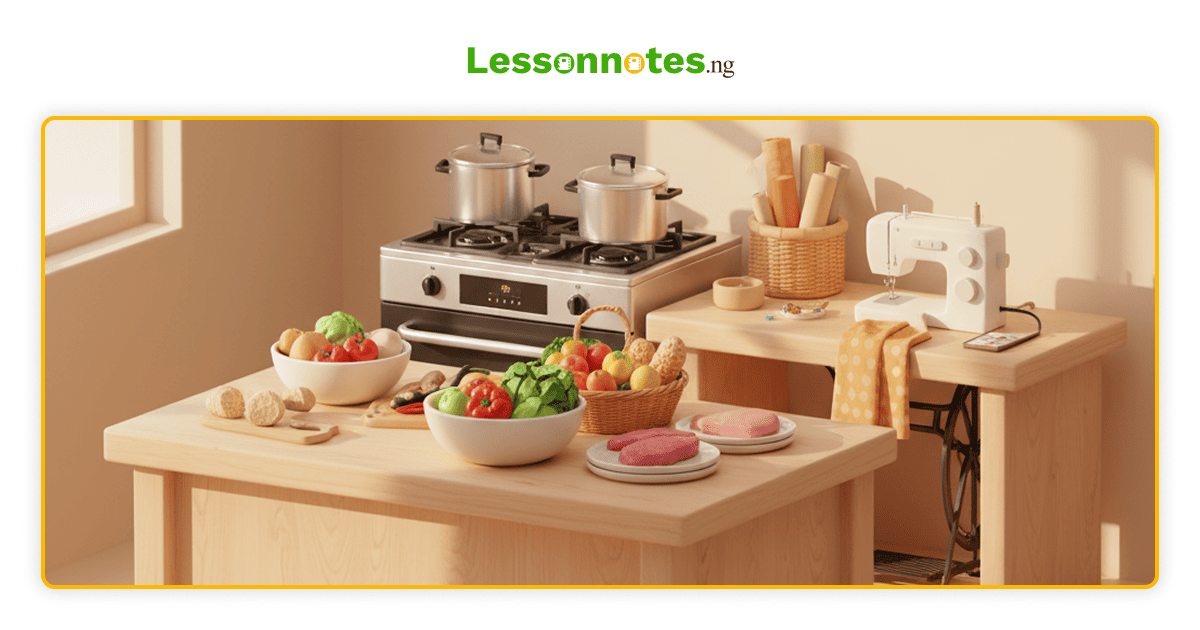
Laundry Agent Tools and Equipment
Explore lesson notes covering all topics.

Basic Stitches - Temporary Stitches
Explore lesson notes covering all topics.

Snacks and Fruit Drinks
Explore lesson notes covering all topics.
Lesson Notes for Other Classes
Basic 1 Lesson Note
The complete lesson note to guide your studies.

Basic 2 Lesson Note
The complete lesson note to guide your studies.

Basic 3 Lesson Note
The complete lesson note to guide your studies.

Basic 4 Lesson Note
The complete lesson note to guide your studies.

Basic 6 Lesson Note
The complete lesson note to guide your studies.

JSS1 Lesson Note
The complete lesson note to guide your studies.