Uses of Personal and Family Resources – Basic 5 Home Economics Lesson Note (Third Term)
Download Lesson NoteLesson note at a glance
- Subject
- Home Economics
- Class
- Basic 5
- Term
- Third Term
- Topic
- Uses of Personal and Family Resources
- Order
- Topic 1 of 8 this term
- Reading time
- 4 min

Learning objectives
By the end of the lesson, pupils should be able to: i. list personal and family resources ii. state the use of personal and family resources iii. discuss the importance of personal and family resources
Previous knowledge
Pupils understand what resources are and can identify personal and family belongings.
Lesson content
A. review of personal and family resources
- Personal Resources Resources that belong to an individual and help meet their personal needs and goals.
- Family Resources Resources that belong to or benefit the entire family unit.
B. list of personal resources
- Material Personal Resources
- Clothing – shirts, dresses, shoes, underwear, school uniforms
- School supplies – books, notebooks, pens, pencils, rulers, bags
- Personal items – toys, games, watches, jewelry, personal electronics
- Money – pocket money, savings, gifts received in cash
- Personal furniture – own bed, study desk, wardrobe
- Electronic devices – personal phone, tablet, radio (if owned individually)
- Non-Material Personal Resources
- Skills and abilities – reading, writing, sports, arts, music
- Knowledge – things learned from school and experience
- Health – physical and mental well-being
- Time – personal hours available for activities
- Talents – natural abilities in specific areas
- Character traits – honesty, kindness, determination
C. list of family resources
- Material Family Resources
- Housing – family home, compound, rooms

- Furniture – chairs, tables, beds, sofas, wardrobes

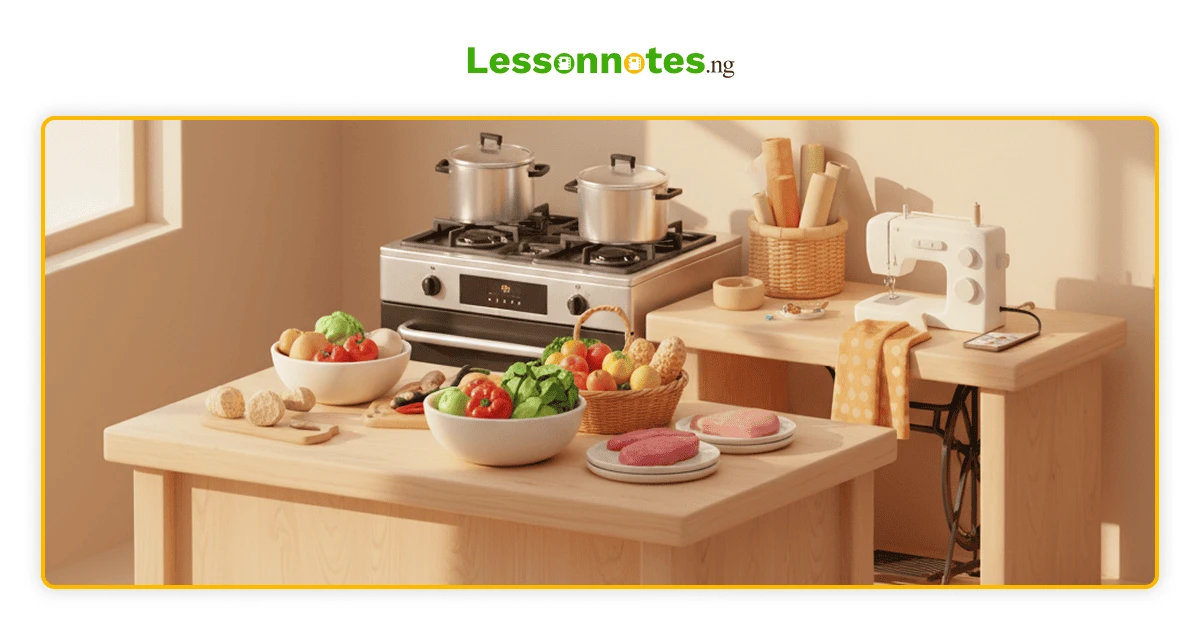
- Kitchen equipment – stove, refrigerator, pots, dishes, utensils
- Transportation – family car, bicycle, motorcycle
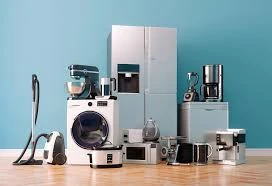
- Electrical appliances – television, radio, fan, iron, washing machine
- Family income – money from parents’ jobs and businesses
- Land and property – family land, buildings, investments
- Non-Material Family Resources
- Family relationships – love, support, cooperation among members
- Family knowledge – combined skills and experience of all members
- Family reputation – good name and standing in community
- Family connections – relatives, friends, professional contacts
- Family traditions – cultural practices and customs
- Family health – overall well-being of all members
D. uses of personal resources
- Meeting Basic Needs
- Clothing – protection from weather, modesty, appearance
- School supplies – education, learning, skill development
- Money – buying necessary items, emergency needs
- Personal items – entertainment, comfort, self-expression
- Personal Development
- Skills – improving abilities, achieving goals, solving problems
- Knowledge – making informed decisions, helping others
- Time – studying, practicing, relaxing, building relationships
- Health – maintaining energy, preventing illness, enjoying life
- Building Relationships
- Communication skills – making friends, maintaining family bonds
- Sharing personal items – showing generosity, building trust
- Using talents – contributing to family and community
- Character traits – earning respect, being trusted by others
- Future Preparation
- Education resources – preparing for career and adult life
- Savings – security for unexpected expenses
- Skills development – becoming self-reliant and capable
- Health maintenance – ensuring long, productive life
E. uses of family resources
- Meeting Family Needs
- Housing – shelter, security, privacy for all family members
- Kitchen equipment – preparing nutritious meals for family
- Transportation – getting to work, school, medical appointments
- Income – providing food, clothing, education, healthcare
- Family Development
- Educational support – books, school fees, learning materials
- Health maintenance – medical care, nutritious food, clean environment
- Skill building – tools and materials for learning new abilities
- Recreation – entertainment, family bonding activities
- Community Contribution
- Family knowledge – helping neighbors and community members
- Family property – hosting community meetings and events
- Family connections – linking community members with resources
- Family reputation – being positive example for others
- Emergency Preparedness
- Savings – handling unexpected expenses and crises
- Property – security during difficult times
- Family relationships – mutual support during emergencies
- Family skills – self-reliance during challenging situations
F. importance of personal and family resources
- Economic Importance
- Cost reduction – using own resources reduces expenses
- Income generation – skills and property can earn money
- Financial security – savings and property provide stability
- Investment opportunities – resources can be used to create more wealth
- Social Importance
- Community participation – resources enable involvement in community activities
- Relationship building – sharing resources strengthens bonds
- Social status – resources contribute to family’s standing in community
- Cultural preservation – family resources maintain traditions
- Educational Importance
- Learning opportunities – resources provide tools and materials for education
- Skill development – practice materials and equipment support learning
- Knowledge sharing – family wisdom and experience benefit all members
- Future preparation – educational resources prepare for better opportunities
- Psychological Importance
- Security feeling – having resources provides peace of mind
- Self-confidence – personal resources boost self-esteem
- Independence – resources enable self-reliance
- Achievement satisfaction – using resources successfully brings pride
- Physical Importance
- Health maintenance – resources support good nutrition and medical care
- Safety provision – proper housing and equipment ensure security
- Comfort enhancement – resources improve quality of life
- Energy conservation – efficient use of resources reduces stress
G. maximizing resource use
- Efficient Use Strategies
- Planning – think before using resources
- Sharing – family members share appropriate resources
- Maintenance – take good care of resources to make them last
- Multi-purpose use – find multiple uses for single resources
- Resource Conservation
- Avoiding waste – use only what is needed
- Recycling – find new uses for old items
- Repairing – fix broken items instead of replacing them
- Proper storage – protect resources from damage
Practical activity
Students will create a personal and family resource inventory, categorizing items by type and identifying their various uses.
Teaching AIDS
Pictures of various personal and family resources, resource inventory worksheets, charts showing resource uses
Evaluation questions
- List 6 personal resources
- Name 5 family resources
- How can personal skills be used as resources?
- State 4 uses of family income
- Why are personal and family resources important?
This term's Home Economics topics
Basic 5 Third Term · 8 topics
Third Term Home Economics Lesson Notes for Other Topics

Home Accidents II
Read the full lesson note.
Home Accidents I
Read the full lesson note.
Marketing of Petroleum Jelly
Read the full lesson note.
Making of Liquid Soap
Read the full lesson note.
How to make Disinfectant Dettol
Read the full lesson note.
Cooking Methods
Read the full lesson note.
Cooking Methods Baking, Roasting, Frying 2
Read the full lesson note.
Cooking Methods Baking, Roasting, Frying
Read the full lesson note.
Cooking Of Food
Read the full lesson note.
Food Contamination
Read the full lesson note.

Food Safety
Read the full lesson note.
Care Of Personal Belongings
Read the full lesson note.
Laundry Agent Tools and Equipment
Read the full lesson note.

Basic Stitches - Temporary Stitches
Read the full lesson note.
Snacks and Fruit Drinks
Read the full lesson note.
Lesson Notes for Other Classes

Basic 1 Lesson Note
The complete lesson note to guide your studies.
Basic 2 Lesson Note
The complete lesson note to guide your studies.
Basic 3 Lesson Note
The complete lesson note to guide your studies.
Basic 4 Lesson Note
The complete lesson note to guide your studies.
Basic 6 Lesson Note
The complete lesson note to guide your studies.

JSS1 Lesson Note
The complete lesson note to guide your studies.