Cooking Methods Baking, Roasting, Frying – Basic 5 Home Economics Lesson Note (Third Term)
Download Lesson NoteLesson note at a glance
- Subject
- Home Economics
- Class
- Basic 5
- Term
- Third Term
- Topic
- Cooking Methods Baking, Roasting, Frying
- Order
- Topic 6 of 8 this term
- Reading time
- 6 min
Learning objectives
By the end of the lesson, pupils should be able to: i. discuss each method of cooking ii. compare and contrast the merit and demerit of each method of cooking iii. choose a suitable method of cooking for a particular food
Previous knowledge
Pupils understand the meaning of cooking and know basic cooking methods.
Lesson content
A. detailed study of baking
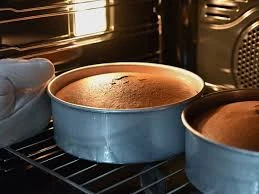
- Definition and Process Baking is a cooking method that uses dry heat in an enclosed space (oven) to cook food. The hot air circulates around the food, cooking it evenly from all sides.
- How Baking Works
- Heat source: Usually from bottom and top elements in oven
- Temperature range: Typically 300°F to 450°F (150°C to 230°C)
- Cooking environment: Enclosed oven space with circulating hot air
- Time required: Usually 15 minutes to several hours depending on food
- Moisture level: Dry heat method, though food may release some moisture
- Foods Suitable for Baking
- Baked goods: Bread, cakes, cookies, muffins, pies
- Vegetables: Potatoes, sweet potatoes, squash, tomatoes
- Proteins: Fish, chicken pieces, casseroles
- Mixed dishes: Lasagna, gratins, baked rice dishes
- Fruits: Apples, pears for desserts
- Merits of Baking
- Even cooking: Heat surrounds food completely
- Hands-off cooking: Requires minimal attention once in oven
- Large quantities: Can cook multiple items at once
- Healthy cooking: No added fats required for many foods
- Develops flavors: Creates good browning and flavor development
- Retains nutrients: Enclosed environment preserves vitamins
- Versatility: Can cook many different types of food
- Demerits of Baking
- Time-consuming: Usually takes longer than other methods
- Energy use: Requires heating large oven space
- Equipment needed: Requires oven and appropriate baking dishes
- Less control: Difficult to check and adjust during cooking
- Can dry out food: May remove too much moisture from some foods
- Preheating required: Oven must be heated before use
- Heat loss: Opening oven door releases heat and affects cooking
B. detailed study of roasting
- Definition and Process Roasting is cooking large pieces of food with dry heat in an oven, usually at higher temperatures than baking. It’s typically used for larger cuts of meat and whole vegetables.
- How Roasting Works
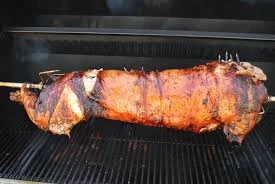
- Heat source: Oven heat, sometimes with additional browning
- Temperature range: Usually 325°F to 450°F (165°C to 230°C)
- Cooking method: Food placed on rack or in pan, uncovered
- Browning process: Creates crispy, browned exterior
- Internal cooking: Heat penetrates to cook interior thoroughly
- Foods Suitable for Roasting
- Large meats: Whole chicken, turkey, beef roasts, leg of lamb
- Large vegetables: Whole potatoes, large squash, root vegetables
- Mixed vegetables: Cut vegetables roasted together
- Nuts and seeds: For toasting and flavor development
- Coffee beans: For developing coffee flavors
- Merits of Roasting
- Excellent flavor: Creates rich, deep flavors through browning
- Attractive appearance: Beautiful golden-brown exterior
- Crispy texture: Develops crispy skin or exterior
- Impressive presentation: Great for special occasions and large meals
- Natural flavors: Concentrates food’s natural tastes
- Large portions: Can cook food for many people at once
- Self-basting: Food’s own juices help keep it moist
- Demerits of Roasting
- Long cooking time: Can take several hours for large items
- High energy use: Requires oven on for extended periods
- Can overcook: Easy to dry out if not monitored
- Requires attention: Need to baste and check periodically
- Limited foods: Best for larger pieces, not small items
- Shrinkage: Food may shrink significantly during cooking
- Hot kitchen: Generates lots of heat in cooking area
C. detailed study of frying
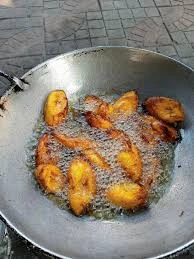
- Definition and Process Frying is cooking food in hot fat or oil. The hot fat transfers heat quickly to the food surface, creating distinctive textures and flavors.
- Types of Frying
Shallow Frying (Pan Frying):
- Oil depth: Covers bottom of pan, about 1/4 inch deep
- Food placement: Food sits in oil but isn’t completely covered
- Turning required: Food must be turned to cook both sides
- Examples: Eggs, pancakes, fish fillets, chicken pieces
Deep Frying:
- Oil depth: Food completely submerged in oil
- Temperature: Usually 350°F to 375°F (175°C to 190°C)
- Equipment: Deep pot or special deep fryer
- Examples: French fries, donuts, fried chicken, spring rolls
Stir Frying:
- Oil amount: Small amount of oil in very hot pan
- Cooking method: Constant stirring and tossing
- Speed: Very quick cooking over high heat
- Examples: Vegetables, small meat pieces, noodles
- Foods Suitable for Frying
- Proteins: Chicken, fish, eggs, tofu
- Vegetables: Potatoes, onions, peppers, eggplant
- Starches: Bread (French toast), batter-coated foods
- Snacks: Plantains, yams, small meat pieces
- Desserts: Donuts, churros, fried ice cream
- Merits of Frying
- Quick cooking: Very fast cooking method
- Crispy texture: Creates appealing crispy exterior
- Rich flavor: Oil adds flavor and carries other flavors well
- Appealing appearance: Golden brown color is attractive
- Versatile: Can fry many different types of food
- High heat: Seals in juices quickly
- Immediate results: Can see and adjust cooking quickly
- Demerits of Frying
- High calorie: Adds significant calories from oil
- Less healthy: High fat content, potential harmful compounds
- Messy: Oil splattering, cleanup required
- Safety concerns: Hot oil can cause burns
- Oil cost: Requires significant amounts of cooking oil
- Strong odors: Creates cooking smells that linger
- Oil disposal: Used oil must be disposed of properly
- Easy to overcook: High heat can burn food quickly
D. comparison of the three methods
Temperature Comparison:
- Baking: 300°F – 450°F (moderate, controlled heat)
- Roasting: 325°F – 450°F (moderate to high heat)
- Frying: 350°F – 375°F (high, direct heat)
Time Comparison:
- Baking: Medium to long (15 minutes to hours)
- Roasting: Long (1-4 hours typically)
- Frying: Very short (1-15 minutes)
Equipment Comparison:
- Baking: Oven, baking pans, measuring tools
- Roasting: Oven, roasting pans, racks, thermometer
- Frying: Stovetop, pans, oil, thermometer
Health Comparison:
- Baking: Healthiest – no added fats required
- Roasting: Healthy – minimal added fats
- Frying: Least healthy – high added fat content
Skill Level Required:
- Baking: Medium – requires following recipes carefully
- Roasting: Medium – requires timing and temperature control
- Frying: High – requires quick reactions and temperature control
E. choosing suitable cooking methods
- For Different Foods
Choose Baking for:
- Baked goods (bread, cakes, cookies)
- Casseroles and mixed dishes
- Fish fillets and chicken pieces
- Vegetables that benefit from slow, even cooking
Choose Roasting for:
- Large cuts of meat (whole chicken, roasts)
- Large vegetables (whole potatoes, squash)
- When you want crispy exterior and tender interior
- Special occasion meals
Choose Frying for:
- When you want crispy texture
- Quick meals and snacks
- Foods that benefit from high heat sealing
- Small pieces of food
- Based on Available Time
- Short time available: Frying (fastest)
- Medium time: Baking (moderate time)
- Long time available: Roasting (slowest but impressive results)
- Based on Health Considerations
- Healthiest option: Baking
- Moderate health: Roasting
- Occasional treat: Frying (due to high fat content)
- Based on Occasion
- Daily meals: Baking or frying
- Special occasions: Roasting
- Quick snacks: Frying
- Make-ahead meals: Baking
Practical activity
Students will observe demonstrations of each cooking method and identify which method would be best for different foods provided.
Teaching AIDS
Oven, frying pan, oil, various foods for demonstration, temperature guides, comparison charts
Evaluation questions
- Explain the process of baking
- List 3 merits and 2 demerits of roasting
- What types of frying are there?
- Which cooking method would you choose for a whole chicken and why?
- Compare baking and frying in terms of health benefits
This term's Home Economics topics
Basic 5 Third Term · 8 topics
Third Term Home Economics Lesson Notes for Other Topics

Home Accidents II
Read the full lesson note.

Home Accidents I
Read the full lesson note.

Marketing of Petroleum Jelly
Read the full lesson note.

Making of Liquid Soap
Read the full lesson note.

How to make Disinfectant Dettol
Read the full lesson note.

Cooking Methods
Read the full lesson note.
Cooking Methods Baking, Roasting, Frying 2
Read the full lesson note.

Cooking Of Food
Read the full lesson note.

Food Contamination
Read the full lesson note.

Food Safety
Read the full lesson note.

Care Of Personal Belongings
Read the full lesson note.

Uses Of Personal And Family Resources
Read the full lesson note.
Laundry Agent Tools and Equipment
Read the full lesson note.

Basic Stitches - Temporary Stitches
Read the full lesson note.

Snacks and Fruit Drinks
Read the full lesson note.
Lesson Notes for Other Classes

Basic 1 Lesson Note
The complete lesson note to guide your studies.

Basic 2 Lesson Note
The complete lesson note to guide your studies.

Basic 3 Lesson Note
The complete lesson note to guide your studies.

Basic 4 Lesson Note
The complete lesson note to guide your studies.

Basic 6 Lesson Note
The complete lesson note to guide your studies.

JSS1 Lesson Note
The complete lesson note to guide your studies.