Care of Personal Belongings – Basic 5 Home Economics Lesson Note (Third Term)
Download Lesson NoteLesson note at a glance
- Subject
- Home Economics
- Class
- Basic 5
- Term
- Third Term
- Topic
- Care of Personal Belongings
- Order
- Topic 2 of 8 this term
- Reading time
- 5 min
Learning objectives
By the end of the lesson, pupils should be able to: i. state the guidelines for care of personal belongings ii. discuss the reason for care of personal belongings
Previous knowledge
Pupils have personal belongings and understand the concept of ownership and responsibility.
Lesson content
A. meaning of personal belongings
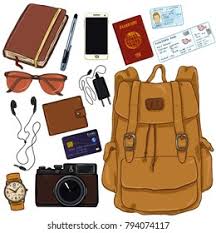
Personal belongings are items that belong to an individual person. These include clothes, school materials, toys, personal care items, and other possessions owned by the person.
B. guidelines for care of personal belongings
- Cleaning Guidelines
Daily Cleaning:
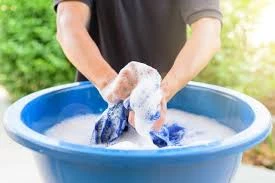
- Clothes – wash dirty clothes promptly, hang or fold clean clothes properly
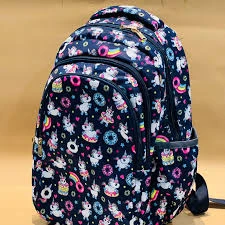
- School bags – empty and clean out daily, remove food crumbs and papers
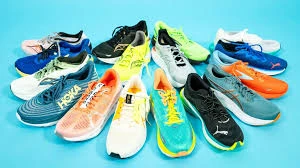
- Shoes – clean mud and dirt after use, air dry if wet
- Personal items – wipe toys and gadgets with clean cloth
Weekly Cleaning:
- Deep cleaning of clothes – proper washing with soap and thorough rinsing
- School materials – organize books, sharpen pencils, clean erasers
- Personal space – clean bedroom, study area, storage spaces
- Special items – clean jewelry, watches, electronic devices carefully
- Storage Guidelines
Proper Storage Locations:
- Clothes – hang in wardrobe or fold in drawers, separate clean from dirty
- School books – keep in bookshelf or desk drawer, protect from moisture
- Shoes – store in shoe rack or designated area, allow air circulation
- Toys and games – use boxes or shelves, group similar items together
- Personal care items – keep in bathroom or personal care kit
Storage Best Practices:
- Organize systematically – group similar items together
- Label containers – know where everything belongs
- Use appropriate containers – boxes, bags, hangers as needed
- Protect from damage – keep fragile items safely wrapped
- Ensure accessibility – store frequently used items within easy reach
- Handling Guidelines
Gentle Handling:
- Lift properly – use both hands for heavy items
- Avoid rough treatment – don’t throw or drop belongings
- Handle with clean hands – wash hands before touching clean items
- Use items appropriately – follow instructions and intended use
Safe Handling:
- Sharp objects – handle knives, scissors, and tools carefully
- Electronic items – keep away from water, handle gently
- Fragile items – extra care with glass, ceramic, and delicate materials
- Chemical products – follow safety instructions on personal care items
- Maintenance Guidelines
Regular Maintenance:
- Check condition – inspect items regularly for damage or wear
- Minor repairs – fix small problems immediately (loose buttons, small tears)
- Replace when necessary – don’t continue using damaged items that can’t be repaired
- Professional help – seek adult help for major repairs
Preventive Maintenance:
- Protect from weather – keep items dry and protected from extreme temperatures
- Avoid overuse – don’t use items beyond their capacity
- Follow care instructions – read and follow manufacturer guidelines
- Regular servicing – maintain electronic items and mechanical devices
C. specific care for different types of belongings
- Clothing Care
- Washing – sort by color and fabric type, use appropriate water temperature
- Drying – hang properly to prevent wrinkles, avoid direct harsh sunlight for colored clothes
- Ironing – use appropriate heat setting, iron while slightly damp
- Storage – fold or hang properly, use mothballs for long-term storage
- School Materials Care
- Books – keep dry, use book covers, handle pages gently
- Writing materials – cap pens after use, keep pencils sharp, store properly
- School bag – clean regularly, don’t overload, check zippers and straps
- Electronic devices – charge properly, protect from drops and water
- Personal Items Care
- Toys – clean after use, store safely, check for broken parts
- Sports equipment – clean after use, store in appropriate conditions
- Personal electronics – follow charging instructions, use protective cases
- Jewelry and accessories – clean gently, store to prevent tangling or scratching
D. reasons for care of personal belongings
- Economic Reasons
- Cost savings – well-maintained items last longer, reducing replacement costs
- Value preservation – proper care maintains the value of belongings
- Avoiding waste – prevents throwing away items that could be preserved
- Budget management – less money needed for frequent replacements
- Resource conservation – making the most of available resources
- Hygiene and Health Reasons
- Disease prevention – clean belongings reduce risk of infections and illnesses
- Pest control – proper storage prevents insects and rodents
- Allergen reduction – clean items reduce dust and allergens
- Fresh appearance – clean, well-maintained items look and smell good
- Safe use – well-maintained items are safer to use
- Personal Development Reasons
- Responsibility training – caring for belongings teaches responsibility
- Organizational skills – proper storage develops organization abilities
- Self-discipline – regular care routines build good habits
- Pride and self-respect – well-maintained belongings boost self-esteem
- Independence – ability to care for own things promotes self-reliance
- Social Reasons
- Good impression – well-cared-for belongings create positive image
- Respect from others – people respect those who take care of their things
- Social acceptance – neat, clean appearance helps in social situations
- Role modeling – sets good example for younger siblings and friends
- Family reputation – reflects well on family values and training
- Educational Reasons
- Learning opportunity – caring for belongings teaches valuable life skills
- Problem-solving – figuring out how to maintain different items
- Time management – organizing care routines develops planning skills
- Quality appreciation – understanding what makes items last longer
- Environmental awareness – reducing waste helps protect environment
E. consequences of poor care
- Financial Consequences
- Frequent replacement costs – constantly buying new items
- Waste of family resources – money that could be used for other needs
- Reduced family budget – less money available for other important things
- Personal Consequences
- Poor appearance – looking untidy or unkempt
- Health risks – using dirty or damaged items can cause illness
- Lost opportunities – missing school or social events due to lack of proper items
- Reduced self-confidence – embarrassment about appearance or belongings
- Social Consequences
- Negative judgment – others may view person unfavorably
- Social exclusion – may not be invited to certain activities
- Poor reputation – known as careless or irresponsible
- Family embarrassment – reflects poorly on family upbringing
Practical activity
Students will demonstrate proper care techniques for different personal belongings and create a personal care schedule.
Teaching AIDS
Examples of well-maintained and poorly maintained items, cleaning supplies, storage containers, care instruction labels
Evaluation questions
- What are personal belongings?
- List 5 guidelines for storing personal belongings
- Why should we handle our belongings gently?
- State 4 reasons for caring for personal belongings
- What can happen if we don’t take care of our belongings?
This term's Home Economics topics
Basic 5 Third Term · 8 topics
Third Term Home Economics Lesson Notes for Other Topics

Home Accidents II
Read the full lesson note.
Home Accidents I
Read the full lesson note.
Marketing of Petroleum Jelly
Read the full lesson note.
Making of Liquid Soap
Read the full lesson note.
How to make Disinfectant Dettol
Read the full lesson note.
Cooking Methods
Read the full lesson note.
Cooking Methods Baking, Roasting, Frying 2
Read the full lesson note.
Cooking Methods Baking, Roasting, Frying
Read the full lesson note.
Cooking Of Food
Read the full lesson note.
Food Contamination
Read the full lesson note.

Food Safety
Read the full lesson note.
Uses Of Personal And Family Resources
Read the full lesson note.
Laundry Agent Tools and Equipment
Read the full lesson note.

Basic Stitches - Temporary Stitches
Read the full lesson note.
Snacks and Fruit Drinks
Read the full lesson note.
Lesson Notes for Other Classes

Basic 1 Lesson Note
The complete lesson note to guide your studies.
Basic 2 Lesson Note
The complete lesson note to guide your studies.
Basic 3 Lesson Note
The complete lesson note to guide your studies.
Basic 4 Lesson Note
The complete lesson note to guide your studies.
Basic 6 Lesson Note
The complete lesson note to guide your studies.

JSS1 Lesson Note
The complete lesson note to guide your studies.