
Saving – Basic 4 Social Studies Lesson Note (Second Term)
Download Lesson NoteLesson note at a glance
- Subject
- Social Studies
- Class
- Basic 4
- Term
- Second Term
- Topic
- Saving
- Order
- Topic 8 of 10 this term
- Reading time
- 2 min
What is Saving?
Saving means keeping part of your money or things for later use instead of spending everything now. It’s like storing food for tomorrow!
Why Do We Save? 🎯
- For Future Needs 📅

- School fees next term
- New uniform when you outgrow the old one
- Birthday presents for friends
- For Emergencies 🚨
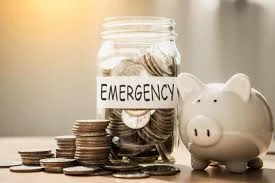
- When sick and need medicine
- If something breaks
- Unexpected problems
- To Buy Big Things 🎁
- New bicycle
- Computer/tablet
- Special shoes
- To Help Others 🤝
- Help family members
- Give to charity
- Support friends in need
Ways Children Can Save
- Piggy Bank (Kolo) 🐷
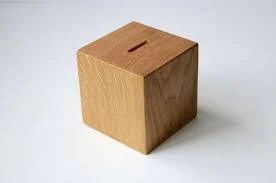
- Put coins daily
- Don’t break until full
- Count your progress
- School Savings 🏫
- Save with your school
- Teacher keeps it safe
- Get it at term end
- With Parents 👨👩👧
- Give money to parents to keep
- They help you save
- Learn from them
- Bank Account 🏦
- Children’s savings account
- Very safe
- Earns small interest
How to Save Successfully
Do’s ✅
- Save small amounts regularly
- Save before spending
- Have a savings goal
- Be patient
- Keep your savings safe
Don’ts ❌
- Don’t spend all your money
- Don’t break your kolo too early
- Don’t borrow from savings
- Don’t show off your savings
Simple Saving Tips
- If you get ₦100, save ₦20
- Save your change
- Save gift money
- Avoid buying unnecessary things
- Think before you spend!
Example: Mary’s Savings Plan
- Gets ₦50 daily for lunch
- Spends ₦30 on food
- Saves ₦20 in her kolo
- After 50 days = ₦1,000 saved!
- Buys new school bag! 🎒
Remember!
“Little drops of water make a mighty ocean” – Small savings become big money!
EXERCISES
A. Fill in the blanks:
- _______ means keeping money for later use.
- We save for emergencies and _______ needs.
- A _______ bank is also called kolo.
- Children can open _______ accounts in banks.
- Save _______ spending your money.
B. True or False:
- We should spend all our money. _______
- Saving helps during emergencies. _______
- Only adults can save money. _______
- Small savings can become big. _______
- Piggy banks are not safe. _______
C. Match:
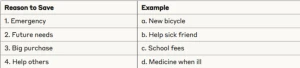
D. Circle good saving habits:
- Spending all pocket money
- Saving lunch money change
- Breaking kolo every day
- Having a savings goal
- Hiding money under bed
- Saving in bank account
- Buying sweets daily
- Saving gift money
E. Calculate:
If you save ₦10 every day:
- After 7 days = ₦_____
- After 30 days = ₦_____
- After 100 days = ₦_____
F. Short answers:
- Where do you keep your savings?
- What are you saving for?
- Name two benefits of saving.
G. Complete the savings plan:
I get ₦_____ daily I spend ₦_____ on _____ I save ₦_____ in my _____ My goal is to buy _____
- Think and Write:
What advice would you give a friend who spends all their money?
This term's Social Studies topics
Basic 4 Second Term · 10 topics
Second Term Social Studies Lesson Notes for Other Topics
Effects of Taking Substance into the Body
Read the full lesson note.
Meaning of Overdose
Read the full lesson note.
Overdose Effects
Read the full lesson note.

How to Help People Suffering from Food or Drug Overdose
Read the full lesson note.

Food
Read the full lesson note.

Food Safety
Read the full lesson note.
Reasons for Taking Substance into the Body
Read the full lesson note.
Resources Utilization
Read the full lesson note.
Labour and Force
Read the full lesson note.
Transport and Communication
Read the full lesson note.
Gender Discrimination
Read the full lesson note.
Group Conflict and Cooperation
Read the full lesson note.
International Organizations
Read the full lesson note.
Peace Education
Read the full lesson note.

Concepts of Drug and Drug Abuse
Read the full lesson note.
Lesson Notes for Other Classes

Basic 1 Lesson Note
The complete lesson note to guide your studies.

Basic 2 Lesson Note
The complete lesson note to guide your studies.

Basic 3 Lesson Note
The complete lesson note to guide your studies.

Basic 5 Lesson Note
The complete lesson note to guide your studies.

Basic 6 Lesson Note
The complete lesson note to guide your studies.

JSS1 Lesson Note
The complete lesson note to guide your studies.

