
Concepts of Drug and Drug Abuse Basic 6 Social Studies Lesson Note
Download Lesson NoteTopic: Concepts of Drug and Drug Abuse
LEARNING OBJECTIVES By the end of the lesson, pupils should be able to:
- Describe drug and drug abuse
- Mention examples of drugs often abused
- Discuss consequences of drug abuse
MEANING OF DRUG
Drug: Any substance (other than food) that when taken into the body, changes how the body or mind works.
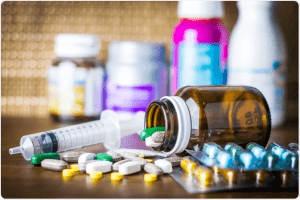
Types of Drugs:
- MEDICINAL DRUGS:
- Prescribed by doctors
- Treat diseases
- Cure illnesses
- Relieve pain
- Examples: Antibiotics, pain relievers, antimalarials
- RECREATIONAL/ILLICIT DRUGS:
- Taken for pleasure, not medicine
- Often illegal
- Harmful
- Addictive
- Examples: Marijuana, cocaine, heroin
MEANING OF DRUG ABUSE
Drug Abuse: Using drugs in wrong ways, wrong amounts, or for wrong reasons; taking illegal drugs; misusing prescription drugs.
Forms of Drug Abuse:
- Taking Wrong Dose:
- More than prescribed
- Less than needed
- Wrong timing
- Using Someone Else’s Medicine
- Taking Drugs Without Prescription
- Using Illegal Drugs
- Mixing Drugs:
- Alcohol with pills
- Multiple drugs together
- Dangerous combinations
- Taking Drugs for Wrong Reasons:
- To get “high”
- Peer pressure
- Escape problems
- Performance enhancement
EXAMPLES OF DRUGS OFTEN ABUSED
- ALCOHOL:
Forms:
- Beer
- Wine
- Spirits (gin, vodka, whiskey)
- Local brews (ogogoro, burukutu)
Effects:
- Intoxication (drunkenness)
- Poor judgment
- Aggression
- Addiction (alcoholism)
- Liver damage
- Accidents
Why Abused:
- Social acceptance
- Peer pressure
- Stress relief
- Celebration
- Addiction
- TOBACCO (CIGARETTES):
Forms:
- Cigarettes
- Cigars
- Pipe tobacco
- Snuff
- Shisha
Effects:
- Lung cancer
- Heart disease
- Breathing problems
- Addiction (nicotine)
- Bad breath
- Yellow teeth
- Premature death
- MARIJUANA (INDIAN HEMP, CANNABIS, IGBO, WEED):
Appearance:
- Dried leaves and flowers
- Green/brown
- Smoked or eaten
Effects:
- Distorted perception
- Memory problems
- Reduced concentration
- Mental illness
- Addiction
- Gateway to harder drugs
- Illegal in Nigeria
- COCAINE (COKE, CRACK):
Appearance:
- White powder
- Snorted, injected, or smoked
Effects:
- Highly addictive
- Heart attack
- Stroke
- Paranoia
- Death
- Very illegal
- HEROIN:
Appearance:
- Brown or white powder
- Injected, snorted, or smoked
Effects:
- Extremely addictive
- Overdose and death common
- Collapsed veins
- HIV (sharing needles)
- Liver disease
- Very dangerous
- CODEINE:
Description:
- Cough syrup ingredient
- Prescription pain reliever
- Increasingly abused in Nigeria
Effects:
- Addiction
- Liver damage
- Breathing problems
- Death from overdose
- Mental health issues
- TRAMADOL:
Description:
- Pain medication
- Prescription drug
- Widely abused in Nigeria
Effects:
- Addiction
- Seizures
- Breathing problems
- Death
- Mental impairment
- METHAMPHETAMINE (METH, MKPURU MMIRI):
Description:
- Stimulant drug
- White powder or crystals
- Very addictive
Effects:
- Severe addiction
- Tooth decay
- Skin sores
- Violent behavior
- Paranoia
- Death
- ROHYPNOL (ROOFIES – DATE RAPE DRUG):
Description:
- Sedative
- Used to drug victims
Effects:
- Memory loss
- Unconsciousness
- Vulnerability to assault
- PERFORMANCE-ENHANCING DRUGS:
Types:
- Steroids
- Energy drinks (excessive)
- Stimulants
Users:
- Athletes
- Students (exam drugs)
- Workers
Effects:
- Heart problems
- Aggression
- Dependence
CONSEQUENCES OF DRUG ABUSE
HEALTH CONSEQUENCES:
- Addiction:
- Cannot stop using
- Body depends on drug
- Withdrawal symptoms
- Life controlled by drugs
- Physical Health:
- Organ damage (liver, kidney, heart, brain)
- Weakened immune system
- Infections (HIV, hepatitis from needles)
- Overdose and death
- Malnutrition
- Premature aging
- Mental Health:
- Depression
- Anxiety
- Paranoia
- Psychosis (losing touch with reality)
- Suicidal thoughts
- Memory loss
- Poor concentration
- Reproductive Problems:
- Impotence
- Infertility
- Birth defects in babies
SOCIAL CONSEQUENCES:
- Family Breakdown:
- Neglect of spouse and children
- Domestic violence
- Divorce
- Children suffering
- Family shame
- Relationship Problems:
- Lost friendships
- Distrust
- Isolation
- Loneliness
- Loss of Reputation:
- Community stigma
- Shame
- Loss of respect
EDUCATIONAL CONSEQUENCES:
- Poor Performance:
- Cannot concentrate
- Failing exams
- School dropout
- Expelled
- Lost opportunities
- Future Ruined:
- No qualifications
- Limited career options
- Unfulfilled potential
ECONOMIC CONSEQUENCES:
- Financial Ruin:
- Spending all money on drugs
- Cannot hold job
- Debt
- Poverty
- Stealing to buy drugs
- Unemployment:
- Fired from work
- Unreliable
- Poor performance
- Cannot find employment
LEGAL CONSEQUENCES:
- Criminal Record:
- Arrest and prosecution
- Imprisonment
- Fines
- Criminal record affects future
- Illegal Activities:
- Theft to buy drugs
- Drug dealing
- Violence
- Prostitution
COMMUNITY CONSEQUENCES:
- Insecurity:
- Drug-related crime
- Violence
- Theft
- Fear
- Social Problems:
- Youth wasted
- Productivity lost
- Healthcare burden
- Economic drain
NATIONAL CONSEQUENCES:
- Development Hindered:
- Lost human capital
- Healthcare costs
- Security expenses
- Economic loss
- International Image:
- Nigeria seen as drug hub
- Affects tourism
- Investment deterred
WARNING SIGNS OF DRUG ABUSE:
Physical:
- Red eyes
- Weight loss or gain
- Poor hygiene
- Unusual smells
- Track marks (injection sites)
- Nosebleeds (snorting)
Behavioral:
- Secretive
- Mood swings
- Aggression
- Stealing
- Lying
- New friends
- Neglecting responsibilities
- Sleeping too much or too little
Performance:
- Declining grades
- Missing school/work
- Loss of interest in activities
- Poor concentration
WHY PEOPLE ABUSE DRUGS:
- Peer Pressure: Friends using drugs
- Curiosity: Want to try
- Escape: Running from problems
- Low Self-Esteem: Feel inadequate
- Family Problems: Broken homes, abuse
- Mental Health: Depression, anxiety
- Availability: Easy access
- Poverty: Hopelessness
- Ignorance: Don’t know dangers
- Media Influence: Glorification in music/movies
PREVENTION:
- Education:
- Know the dangers
- Say no to drugs
- Awareness programs
- Strong Family:
- Good parenting
- Communication
- Love and support
- Supervision
- Positive Activities:
- Sports
- Hobbies
- Youth programs
- Keep busy
- Good Friends:
- Avoid bad company
- Peer support
- Positive influence
- Self-Esteem:
- Confidence
- Self-worth
- Resilience
- Goals:
- Have ambitions
- Focus on future
- Purpose in life
- Avoid Situations:
- Stay away from drug users
- Don’t go to drug spots
- Refuse offers
EVALUATION
- What is a drug?
- Define drug abuse
- Name five commonly abused drugss
- List five consequences of drug abuse
- Why do young people abuse drugs?
HOMEWORK
- Define drug and drug abuse
- List and explain eight commonly abused drugs
- Discuss ten consequences of drug abuse on individuals and society
- Why do people abuse drugs? Give six reasons
- How can drug abuse be prevented among youth?
Second Term Social Studies Lesson Notes for Other Topics
Effects of Taking Substance into the Body
Explore lesson notes covering all topics.
Meaning of Overdose
Explore lesson notes covering all topics.
Overdose Effects
Explore lesson notes covering all topics.
How to Help People Suffering from Food or Drug Overdose
Explore lesson notes covering all topics.
Food
Explore lesson notes covering all topics.

Food Safety
Explore lesson notes covering all topics.
Reasons for Taking Substance into the Body
Explore lesson notes covering all topics.
Resources Utilization
Explore lesson notes covering all topics.
Labour and Force
Explore lesson notes covering all topics.
Transport and Communication
Explore lesson notes covering all topics.
Gender Discrimination
Explore lesson notes covering all topics.
Group Conflict and Cooperation
Explore lesson notes covering all topics.
International Organizations
Explore lesson notes covering all topics.
Peace Education
Explore lesson notes covering all topics.
Synthetic and Naturally Occurring Drugs
Explore lesson notes covering all topics.
Lesson Notes for Other Classes

Basic 1 Lesson Note
The complete lesson note to guide your studies.

Basic 2 Lesson Note
The complete lesson note to guide your studies.

Basic 3 Lesson Note
The complete lesson note to guide your studies.

Basic 4 Lesson Note
The complete lesson note to guide your studies.
Basic 5 Lesson Note
The complete lesson note to guide your studies.

JSS1 Lesson Note
The complete lesson note to guide your studies.