
Labour and Force Basic 6 Social Studies Lesson Note
Download Lesson NoteTopic: Labour and Force
LEARNING OBJECTIVES By the end of the lesson, pupils should be able to:
- Define labour force
- Recognize ways of training population to be healthy and productive
- Mention implications of poor health on labour force
DEFINITION OF LABOUR FORCE
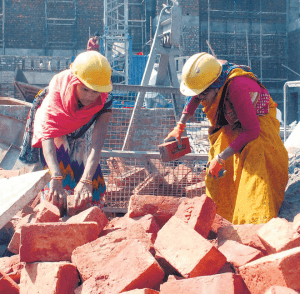
Labour Force: All people in a country who are able and willing to work. This includes those currently employed and those actively seeking employment.
Components:
- Employed people (working)
- Unemployed people (seeking work)
- Age: Usually 15-64 years (working age)
Not Included:
- Children (too young)
- Elderly (retired)
- Students (full-time)
- Disabled (unable to work)
- Those not seeking work
IMPORTANCE OF LABOUR FORCE:
- Economic Production: Workers produce goods and services
- GDP Growth: More productive workers = stronger economy
- Tax Revenue: Workers pay taxes
- National Development: Builds infrastructure and institutions
- Innovation: Skilled workers create new ideas
TRAINING THE POPULATION TO BE HEALTHY AND PRODUCTIVE
- HEALTH TRAINING:
- Basic Health Education:
- Personal hygiene (handwashing, bathing)
- Proper nutrition
- Disease prevention
- Immunization importance
- Safe water practices
- Reproductive Health:
- Family planning
- Safe childbirth practices
- STD prevention
- Maternal health
- Mental Health Awareness:
- Stress management
- Emotional wellbeing
- Seeking help when needed
- Safety Education:
- Workplace safety
- First aid training
- Accident prevention
- Ergonomics (proper posture at work)
- Environmental Health:
- Sanitation
- Waste disposal
- Clean environment
- Pollution prevention
- PRODUCTIVITY TRAINING:
- Formal Education:
- Primary and secondary school
- University and polytechnics
- Literacy programs
- Continuous learning
- Vocational Training:
- Trade skills (carpentry, plumbing, tailoring)
- Technical skills
- Apprenticeships
- Practical skills
- Professional Development:
- On-the-job training
- Workshops and seminars
- Conferences
- Certifications
- Skill upgrading
- Technology Training:
- Computer literacy
- Digital skills
- Software training
- Internet usage
- Entrepreneurship Training:
- Business management
- Financial literacy
- Marketing skills
- Record keeping
- Soft Skills:
- Communication
- Teamwork
- Leadership
- Time management
- Problem-solving
- GOVERNMENT PROGRAMS:
- Healthcare Provision:
- Free medical services
- Vaccination programs
- Maternal and child health
- Disease control programs
- Education Funding:
- Free basic education
- Scholarship programs
- School infrastructure
- Teacher training
- Skills Acquisition Centers:
- Vocational training institutes
- Apprenticeship programs
- Adult education centers
- Nutrition Programs:
- School feeding
- Food supplementation
- Nutrition education
- Sports and Recreation:
- Physical fitness programs
- Sports facilities
- Recreation centers
IMPLICATIONS OF POOR HEALTH ON LABOUR FORCE
- REDUCED PRODUCTIVITY:
- Sick workers produce less
- Slow work pace
- Poor quality output
- Goals not met
- ABSENTEEISM:
- Missing work due to illness
- Frequent hospital visits
- Disrupts work schedule
- Projects delayed
- HIGH HEALTHCARE COSTS:
- Expensive medical bills
- Company insurance costs increase
- Family finances drained
- Government healthcare burden
- PREMATURE DEATH:
- Loss of skilled workers
- Experience lost
- Family breadwinners die
- Orphans created
- LOW LIFE EXPECTANCY:
- People don’t live long
- Cannot work many years
- Loss of potential
- Reduces workforce
- UNEMPLOYMENT:
- Too sick to work
- Cannot perform duties
- Lose jobs
- Economic burden
- POVERTY:
- No income due to illness
- Medical expenses drain savings
- Cannot support family
- Vicious cycle
- ECONOMIC DECLINE:
- National productivity falls
- GDP decreases
- Less tax revenue
- Slow development
- SOCIAL PROBLEMS:
- Families suffer
- Children drop out of school
- Increased crime
- Social instability
- LOSS OF HUMAN CAPITAL:
- Skilled workers incapacitated
- Brain drain (healthy ones leave)
- Knowledge and experience lost
COMMON HEALTH PROBLEMS AFFECTING LABOUR FORCE:
- Malaria: Most common in Nigeria 2. HIV/AIDS: Affects productive age 3. Tuberculosis: Weakens workers 4. Hypertension: Stress-related 5. Diabetes: Lifestyle disease 6. Accidents: Workplace injuries 7. Mental health issues: Depression, anxiety 8. Malnutrition: Weakens body 9. Respiratory diseases: Air pollution 10. Cholera and typhoid: Poor sanitation
SOLUTIONS:
- Preventive Healthcare:
- Regular check-ups
- Vaccination
- Health insurance
- Early detection
- Occupational Health:
- Safe work environment
- Protective equipment
- Regular health screening
- Workplace clinics
- Health Education:
- Awareness campaigns
- Health literacy
- Lifestyle changes
- Hygiene promotion
- Good Nutrition:
- Balanced diet
- Food security
- Nutrition programs
- Exercise:
- Physical activity
- Workplace fitness
- Sports facilities
- Improved Infrastructure:
- Clean water
- Sanitation
- Healthcare facilities
- Electricity for health centers
EVALUATION
- What is labour force?
- Name three ways to train population for productivity
- List four implications of poor health on labour force
- Why is health important for workers?
- How can government improve labour force health?
HOMEWORK
- Define labour force and explain its importance
- List six ways to train people to be healthy and productive
- Explain five effects of poor health on workers
- How does education improve labour force productivity?
- What can individuals do to maintain good health for work?
Second Term Social Studies Lesson Notes for Other Topics
Effects of Taking Substance into the Body
Explore lesson notes covering all topics.
Meaning of Overdose
Explore lesson notes covering all topics.
Overdose Effects
Explore lesson notes covering all topics.
How to Help People Suffering from Food or Drug Overdose
Explore lesson notes covering all topics.

Food
Explore lesson notes covering all topics.

Food Safety
Explore lesson notes covering all topics.

Reasons for Taking Substance into the Body
Explore lesson notes covering all topics.

Resources Utilization
Explore lesson notes covering all topics.

Transport and Communication
Explore lesson notes covering all topics.

Gender Discrimination
Explore lesson notes covering all topics.

Group Conflict and Cooperation
Explore lesson notes covering all topics.

International Organizations
Explore lesson notes covering all topics.

Peace Education
Explore lesson notes covering all topics.

Concepts of Drug and Drug Abuse
Explore lesson notes covering all topics.

Synthetic and Naturally Occurring Drugs
Explore lesson notes covering all topics.
Lesson Notes for Other Classes

Basic 1 Lesson Note
The complete lesson note to guide your studies.

Basic 2 Lesson Note
The complete lesson note to guide your studies.

Basic 3 Lesson Note
The complete lesson note to guide your studies.

Basic 4 Lesson Note
The complete lesson note to guide your studies.

Basic 5 Lesson Note
The complete lesson note to guide your studies.

JSS1 Lesson Note
The complete lesson note to guide your studies.