
Materials/Tools for Horticulture Practice – Basic 4 Agricultural Science Lesson Note (Second Term)
Download Lesson NoteLesson note at a glance
- Subject
- Agricultural Science
- Class
- Basic 4
- Term
- Second Term
- Topic
- Materials/Tools for Horticulture Practice
- Order
- Topic 6 of 7 this term
- Reading time
- 5 min
What are Horticultural Tools and Materials?
These are special equipment and supplies used for growing fruits, vegetables, flowers, and ornamental plants in gardens and farms.
Basic Hand Tools
- Digging and Soil Preparation Tools
Spade

- Use: Digging holes for planting trees and large plants
- Description: Flat, sharp blade with long handle
- Good for: Breaking hard soil, transplanting
Garden Fork
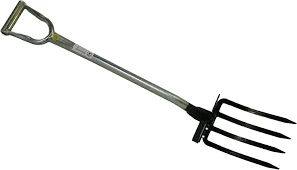
- Use: Loosening soil without cutting roots
- Description: Metal prongs (teeth) with handle
- Good for: Mixing compost into soil, aerating
Hoe
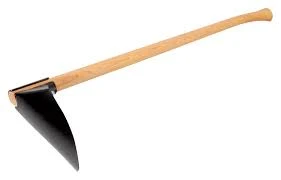
- Use: Weeding around plants and making furrows
- Description: Flat blade attached to long handle
- Good for: Removing weeds, shaping soil
Trowel
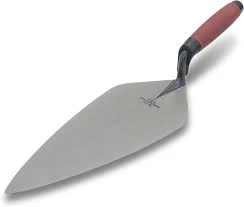
- Use: Small digging and planting work
- Description: Small hand-held spade
- Good for: Planting seedlings, container gardening
- Cutting and Pruning Tools
Pruning Shears (Secateurs)
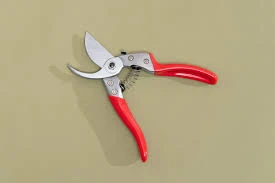
- Use: Cutting small branches, stems, and dead flowers
- Description: Scissor-like tool with strong blades
- Good for: Shaping plants, removing diseased parts
Garden Knife
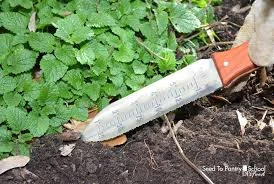
- Use: Cutting stems, harvesting vegetables, grafting
- Description: Sharp, curved blade
- Good for: Precision cutting, delicate work
Cutlass (Machete)
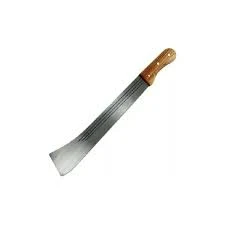
- Use: Clearing bush, cutting thick stems
- Description: Long, heavy blade
- Good for: Land preparation, cutting tough vegetation
Hedge Shears

- Use: Trimming hedges and shrubs
- Description: Long-handled scissors with large blades
- Good for: Shaping ornamental plants
- Watering Tools
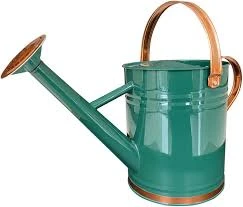
- Use: Giving water to plants gently
- Description: Container with spout and shower head
- Good for: Small gardens, seedlings, potted plants
Garden Hose
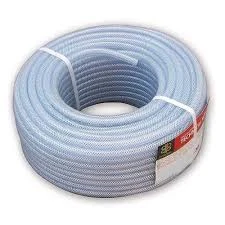
- Use: Watering large areas efficiently
- Description: Long flexible tube for water
- Good for: Big gardens, lawns, washing tools
Sprinkler
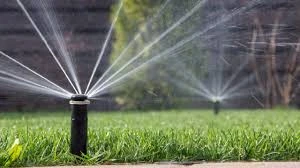
- Use: Automatic watering like gentle rain
- Description: Device that sprays water in patterns
- Good for: Lawns, large vegetable gardens
Spray Bottle
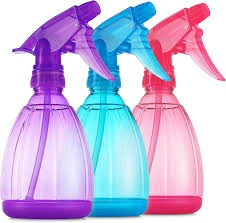
- liquid fertilizer
- Description: Small bottle with spray nozzle
- Good for: Indoor plants, seedlings, foliar feeding
Measuring and Support Tools
- Measuring Tools
Measuring Tape
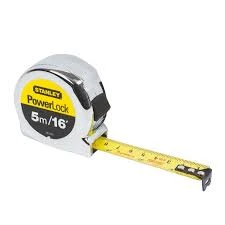
- Use: Measuring distances for proper plant spacing
- Description: Flexible ruler in a case
- Good for: Planning garden layout, spacing plants
Ruler/Stick
- Use: Measuring small distances and depth
- Description: Straight measuring stick
- Good for: Planting depth, small measurements
- Support Tools
Stakes
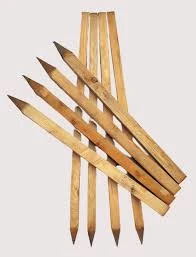
- Use: Supporting tall plants and young trees
- Description: Strong wooden or metal poles
- Good for: Tomatoes, beans, climbing plants
Garden Twine/String
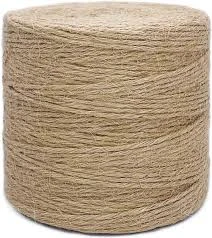
- Use: Tying plants to supports
- Description: Strong, weather-resistant rope
- Good for: Training vines, marking rows
Wire/Bamboo Canes
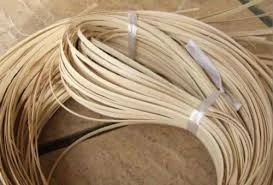
- Use: Making plant supports and frames
- Description: Flexible support materials
- Good for: Bean frames, plant cages
Container and Storage Materials
- Planting Containers
Pots
- Use: Growing plants in containers
- Description: Various sizes of clay, plastic, or ceramic containers
- Good for: Indoor plants, seedlings, small gardens
Seed Trays
- Use: Starting seeds and raising seedlings
- Description: Shallow trays with drainage holes
- Good for: Germinating seeds, growing transplants
Planting Bags
- Use: Growing vegetables in small spaces
- Description: Large fabric or plastic bags with drainage
- Good for: Tomatoes, potatoes, herbs
- Collection and Storage
Baskets
- Use: Harvesting fruits and vegetables
- Description: Woven containers with handles
- Good for: Collecting produce, carrying tools
Wheelbarrow
- Use: Carrying soil, compost, and heavy materials
- Description: Single-wheel cart with handles
- Good for: Moving bulk materials, large harvests
Garden Gloves
- Use: Protecting hands while working
- Description: Thick gloves resistant to thorns
- Good for: Safety, better grip on tools
Soil and Plant Care Materials
- Soil Amendment Materials
Compost
- Use: Improving soil fertility naturally
- Description: Decomposed organic matter
- Good for: All plants, soil improvement
Fertilizers
- Use: Providing nutrients to plants
- Types: Organic (manure, bone meal) and inorganic (NPK)
- Good for: Boosting plant growth and flowering
Mulch
- Use: Covering soil around plants
- Materials: Dried grass, leaves, wood chips
- Good for: Moisture retention, weed control
Seeds and Seedlings
- Use: Starting new plants
- Types: Vegetable seeds, flower seeds, fruit tree seedlings
- Good for: Beginning gardens, replacing old plants
- Pest and Disease Control
Organic Pesticides
- Use: Controlling harmful insects naturally
- Examples: Neem oil, soap solution
- Good for: Safe pest control
Fungicides
- Use: Preventing and treating plant diseases
- Types: Organic and chemical options
- Good for: Keeping plants healthy
Modern/Advanced Tools
- Power Tools (for larger gardens)
Lawn Mower
- Use: Cutting grass evenly
- Description: Machine with rotating blades
- Good for: Maintaining lawns and large grassy areas
Hedge Trimmer
- Use: Trimming large hedges quickly
- Description: Electric tool with moving blades
- Good for: Professional landscaping
Water Timer
- Use: Automatic watering systems
- Description: Device that controls irrigation timing
- Good for: Consistent watering when away
Care and Maintenance of Tools
Cleaning:
- Wash tools after each use
- Remove soil and plant material
- Dry completely to prevent rust
Storage:
- Keep in dry place like shed or garage
- Hang tools to save space
- Organize so tools are easy to find
Maintenance:
- Sharpen cutting tools regularly
- Oil metal parts to prevent rust
- Replace broken handles promptly
- Check for damage before each use
EXERCISES
Exercise 1: Fill in the Blanks
- Horticultural tools are used for growing ________, vegetables, and flowers
- A ________ is used for digging holes for planting trees
- ________ shears are used for cutting small branches and stems
- A ________ can is used for giving water to plants gently
Exercise 2: True or False
- A trowel is a large digging tool ____
- Pruning shears are used for cutting branches ____
- Garden gloves protect your hands ____
- All horticultural tools are expensive ____
Exercise 3: Match the Tool with Use
Draw lines to connect each tool with its main use:
- Spade → Cutting small branches
- Pruning shears → Watering plants gently
- Watering can → Digging holes for planting
- Hoe → Removing weeds around plants
Exercise 4: Tool Categories
Write “D” for Digging, “C” for Cutting, “W” for Watering, or “S” for Support:
- Garden fork ____
- Hedge shears ____
- Sprinkler ____
- Stakes ____
- Trowel ____
Exercise 5: Choose the Right Tool
Circle the best tool for each job:
- Planting seedlings: Spade / Trowel
- Cutting thick stems: Garden knife / Cutlass
- Watering large garden: Spray bottle / Garden hose
- Supporting tomato plants: Stakes / Watering can
Use: Misting delicate plants and applyin
Watering Can
This term's Agricultural Science topics
Basic 4 Second Term · 7 topics
Second Term Agricultural Science Lesson Notes for Other Topics
Packaging of Processed Foods
Read the full lesson note.

Primary, Secondary and Tertiary Packaging
Read the full lesson note.
Types of Agricultural Market
Read the full lesson note.
Materials used for Packaging; Nylon, Carton, Paper, Sack, Boxes etc
Read the full lesson note.
Reasons for Packaging Farm Produce
Read the full lesson note.
Crops that can be Packaged
Read the full lesson note.
Market and Marketing of Agricultural Produce
Read the full lesson note.
Agricultural Marketing Activities
Read the full lesson note.

Damages Caused By Pests
Read the full lesson note.

Control Of Insect Pests
Read the full lesson note.

Classification Of Insect Pests; Piercing And Sucking Insect Pest
Read the full lesson note.
Pest And Disease Of Crops
Read the full lesson note.
Benefits Of Weeds: Animal Feed, Of Drugs, Food To Man
Read the full lesson note.
Control Of Weeds
Read the full lesson note.
Effects of Weeds on Farmers
Read the full lesson note.
Lesson Notes for Other Classes

Basic 1 Lesson Note
The complete lesson note to guide your studies.

Basic 2 Lesson Note
The complete lesson note to guide your studies.

Basic 3 Lesson Note
The complete lesson note to guide your studies.

Basic 5 Lesson Note
The complete lesson note to guide your studies.

Basic 6 Lesson Note
The complete lesson note to guide your studies.

JSS1 Lesson Note
The complete lesson note to guide your studies.

