Soil: Causes of Reduction in Soil Fertility – Basic 4 Agricultural Science Lesson Note (Second Term)
Download Lesson NoteLesson note at a glance
- Subject
- Agricultural Science
- Class
- Basic 4
- Term
- Second Term
- Topic
- Soil: Causes of Reduction in Soil Fertility
- Order
- Topic 3 of 7 this term
- Reading time
- 4 min
What is Soil Fertility?
Soil fertility means how rich and good the soil is for growing healthy plants. Fertile soil has all the nutrients that plants need to grow well.
What is Reduction in Soil Fertility?
When soil becomes less fertile, it means the soil is losing its ability to grow healthy plants because it lacks nutrients or has problems.
Major Causes of Soil Fertility Reduction
- Continuous Cropping (Monocropping)
Growing the same crop on the same land year after year
Why It’s Bad:
- Same nutrients used: Each crop takes specific nutrients
- Soil gets tired: No time to recover
- Nutrients depleted: Soil becomes empty of food for plants
- Diseases build up: Same crop diseases stay in soil
Example:
- Planting maize every year on the same farm
- Growing only rice season after season
- Soil Erosion
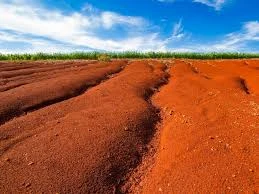
When wind and water wash away the top fertile soil
Causes of Erosion:
- Heavy rains: Wash away topsoil
- Strong winds: Blow away loose soil
- No plant cover: Bare soil is easily eroded
- Steep slopes: Water flows fast and carries soil
What’s Lost:
- Topsoil: The most fertile layer
- Nutrients: Essential plant food
- Organic matter: Humus that makes soil rich
- Overgrazing

Too many animals eating grass and plants in one area
How It Happens:
- Too many cattle, goats, sheep on small land
- Animals eat all grass down to the roots
- No plants left to protect soil
- Soil becomes bare and easily eroded
Results:
- Land becomes like desert
- Soil loses nutrients
- No grass can grow back
- Use of Harmful Chemicals
Using too many artificial fertilizers and pesticides
Problems with Chemicals:
- Kill beneficial organisms: Good bacteria and worms die
- Soil becomes acidic: Plants can’t absorb nutrients
- Pollute groundwater: Chemicals sink into water sources
- Reduce organic matter: Natural soil richness destroyed
Examples:
- Too much chemical fertilizer
- Strong pesticides that kill everything
- Poor Farming Practices
Wrong ways of farming that damage soil
Bad Practices:
- Burning crop residues: Destroys organic matter
- Plowing when soil is wet: Makes soil hard and compact
- No crop rotation: Same crop depletes same nutrients
- Removing all plant cover: Leaves soil exposed
- Deforestation

Cutting down trees and forests
How It Affects Soil:
- No tree roots: Soil not held together
- Heavy rain impact: Directly hits bare soil
- Loss of leaf litter: No natural fertilizer from fallen leaves
- Microclimate change: Area becomes hotter and drier
- Leaching

When nutrients are washed deep into soil by too much water
What Happens:
- Heavy rains: Wash nutrients below root level
- Poor drainage: Water stays too long and dissolves nutrients
- Sandy soils: Nutrients wash away faster
- Plants can’t reach: Nutrients too deep underground
- Soil Pollution
Dumping waste and harmful substances on soil
Types of Pollution:
- Industrial waste: Chemicals from factories
- Plastic and non-biodegradable waste: Blocks soil organisms
- Oil spills: Kills plants and soil life
- Sewage: Can make soil toxic
- Climate Change Effects
Changes in weather patterns affecting soil
How Climate Affects Soil:
- Extreme heat: Dries out soil quickly
- Irregular rainfall: Too much or too little water
- Droughts: Soil becomes hard and infertile
- Flooding: Washes away nutrients and topsoil
Signs of Reduced Soil Fertility
Visual Signs:
- Poor plant growth: Crops look weak and small
- Yellow leaves: Plants lack nutrients
- Low crop yields: Less harvest than before
- Soil color change: Becomes lighter (less organic matter)
Physical Signs:
- Hard soil: Difficult to dig
- Poor water absorption: Water runs off instead of soaking in
- Soil erosion: Visible washing away of soil
- Less earthworms: Fewer beneficial organisms
Effects on Agriculture
- Reduced Crop Yields
- Less food production: Smaller harvests
- Poor quality crops: Weak and unhealthy plants
- Economic loss: Farmers earn less money
- Increased Farming Costs
- More fertilizers needed: Expensive to buy
- More pesticides: To fight weak plants’ diseases
- Lower profits: Higher costs, less income
- Food Security Problems
- Less food available: Not enough to feed everyone
- Higher food prices: Scarce food costs more
- Malnutrition: Poor quality food affects health
EXERCISES
Exercise 1: Fill in the Blanks
- Soil fertility means how ________ the soil is for growing plants
- ________ cropping means growing the same crop year after year
- Soil ________ is when wind and water wash away fertile topsoil
- ________ means too many animals eating in one area
Exercise 2: True or False
- Growing the same crop every year is good for soil ____
- Erosion takes away the most fertile topsoil ____
- Chemical fertilizers are always good for soil ____
- Cutting down trees can reduce soil fertility ____
Exercise 3: Match the Cause with Effect
Draw lines to connect:
- Continuous cropping → Soil becomes bare and eroded
- Overgrazing → Same nutrients get depleted
- Soil erosion → Topsoil gets washed away
- Chemical overuse → Beneficial organisms die
Exercise 4: Identify the Cause
Write which cause of soil fertility reduction these show:
- Growing only maize every season: ________________
- Too many cows on small pasture: ________________
- Heavy rain washing soil away: ________________
- Dumping factory waste on farmland: ________________
Exercise 5: Choose the Right Answer
Circle the correct answer:
- Continuous cropping is bad because: Soil gets rest / Soil gets tired
- Erosion is caused by: Wind and water / Fertilizers
- Overgrazing leads to: More grass / Bare land
- Chemicals can: Help soil organisms / Kill soil organisms
This term's Agricultural Science topics
Basic 4 Second Term · 7 topics
Second Term Agricultural Science Lesson Notes for Other Topics
Packaging of Processed Foods
Read the full lesson note.

Primary, Secondary and Tertiary Packaging
Read the full lesson note.
Types of Agricultural Market
Read the full lesson note.
Materials used for Packaging; Nylon, Carton, Paper, Sack, Boxes etc
Read the full lesson note.
Reasons for Packaging Farm Produce
Read the full lesson note.
Crops that can be Packaged
Read the full lesson note.
Market and Marketing of Agricultural Produce
Read the full lesson note.
Agricultural Marketing Activities
Read the full lesson note.

Damages Caused By Pests
Read the full lesson note.

Control Of Insect Pests
Read the full lesson note.

Classification Of Insect Pests; Piercing And Sucking Insect Pest
Read the full lesson note.
Pest And Disease Of Crops
Read the full lesson note.
Benefits Of Weeds: Animal Feed, Of Drugs, Food To Man
Read the full lesson note.
Control Of Weeds
Read the full lesson note.
Effects of Weeds on Farmers
Read the full lesson note.
Lesson Notes for Other Classes

Basic 1 Lesson Note
The complete lesson note to guide your studies.
Basic 2 Lesson Note
The complete lesson note to guide your studies.

Basic 3 Lesson Note
The complete lesson note to guide your studies.

Basic 5 Lesson Note
The complete lesson note to guide your studies.

Basic 6 Lesson Note
The complete lesson note to guide your studies.

JSS1 Lesson Note
The complete lesson note to guide your studies.