
Classification Of Insect Pests; Piercing And Sucking Insect Pest Basic 5 Agricultural Science Lesson Note
Download Lesson NoteTopic: Classification Of Insect Pests; Piercing And Sucking Insect Pest
LEARNING OBJECTIVES
By the end of the lesson, pupils should be able to:
- Classify insect pests according to their mouth parts
- Outline examples of insects in each group
- Justify the reason for classification
PREVIOUS KNOWLEDGE
Pupils have learned about crop pests and can identify various insect pests in the previous lesson.
INTRODUCTION
Just as we classify plants into different groups, we can also classify insect pests into groups based on how they feed. This classification helps farmers understand pest behavior and choose the right control methods.
LESSON CONTENT
1. CLASSIFICATION OF INSECT PESTS ACCORDING TO THEIR MOUTH PARTS
Why Classify by Mouth Parts? The type of mouth parts an insect has determines:
- How it feeds on plants
- What type of damage it causes
- What control methods work best
- Where to look for the insect
- When to apply treatments
Main Categories Based on Mouth Parts:
- CHEWING/BITING INSECTS
- Have strong jaws (mandibles) for biting and chewing
- Eat solid plant parts like leaves, stems, roots, fruits
- PIERCING AND SUCKING INSECTS
- Have needle-like mouth parts (stylets)
- Pierce plant tissues and suck plant fluids
- RASPING AND SUCKING INSECTS
- Scrape plant surface and suck the exposed fluids
- Combination of rasping and sucking action
- LAPPING/SPONGING INSECTS
- Have sponge-like mouth parts
- Lap up liquid foods
2. PIERCING AND SUCKING INSECT PESTS
- CHARACTERISTICS OF PIERCING AND SUCKING INSECTS
Mouth Part Structure:
- Stylets: Needle-like structures that pierce plant tissues
- Proboscis: Tube-like structure for sucking fluids
- Sheath: Protective covering for the stylets
- Saliva injection: Many inject saliva that may contain toxins or disease organisms
Feeding Behavior:
- Insert stylets into plant tissues
- Inject saliva to aid digestion
- Suck out plant sap, cell contents, or other fluids
- May feed continuously or intermittently
- Often remain in one feeding spot for extended periods
Types of Damage Caused:
- Direct damage: Removal of plant fluids weakens plants
- Indirect damage: Injection of toxins, transmission of diseases
- Secondary effects: Honeydew production, sooty mold growth
- EXAMPLES OF PIERCING AND SUCKING INSECTS
- APHIDS (Plant Lice)
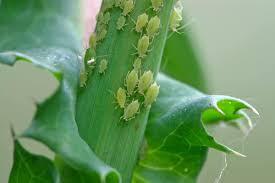
Green Peach Aphid (Myzus persicae)
- Appearance:
- Small (1-2 mm long)
- Pear-shaped body
- Green, pink, or black color
- Long antennae
- Two tubes (cornicles) on rear of abdomen
- Crops attacked: Vegetables, fruit trees, ornamental plants
- Feeding method:
- Insert stylets into phloem vessels
- Suck sugar-rich plant sap
- Feed continuously
- Damage caused:
- Yellowing and curling of leaves
- Stunted plant growth
- Honeydew production attracts ants
- Transmission of plant viruses
- Life cycle: Can reproduce without mating (parthenogenesis)
Cotton Aphid (Aphis gossypii)
- Appearance:
- Very small (1-2 mm)
- Dark green to black
- Wingless or winged forms
- Crops attacked: Cotton, okra, watermelon, cucumber
- Special characteristics:
- Rapid reproduction
- Forms large colonies
- Produces abundant honeydew
- SCALE INSECTS
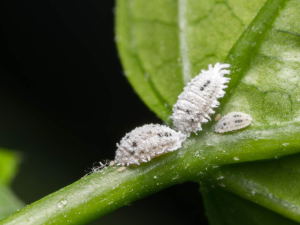
Soft Brown Scale (Coccus hesperidum)
- Appearance:
- Oval, flat insects
- Brown, waxy covering
- 2-4 mm long
- Females larger than males
- Crops attacked: Citrus, coffee, ornamental plants
- Feeding method:
- Attach to stems or leaves
- Insert stylets and feed continuously
- Remain stationary once attached
- Damage:
- Yellowing of leaves
- Branch die-back
- Reduced fruit quality
- Honeydew production
Armored Scale (Diaspididae family)
- Appearance:
- Hard, waxy shell covering
- Circular or elongated shape
- 1-3 mm diameter
- White, brown, or gray color
- Crops attacked: Fruit trees, ornamental plants
- Special features:
- Very difficult to remove from plants
- Shell protects from sprays
- Can kill branches if numerous
- WHITEFLIES
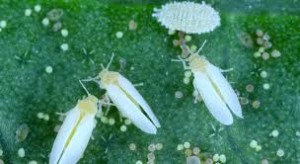
Silverleaf Whitefly (Bemisia tabaci)
- Appearance:
- Very small (1-2 mm)
- White, powdery wings
- Yellow body
- Four wings held roof-like over body
- Crops attacked: Tomato, cotton, cassava, beans, vegetables
- Feeding behavior:
- Adults and nymphs suck plant sap
- Prefer young leaves
- Feed on phloem sap
- Damage:
- Yellowing and stunting of plants
- Honeydew production
- Transmission of serious plant viruses
- Irregular ripening of tomato fruits
- THRIPS

Western Flower Thrips (Frankliniella occidentalis)
- Appearance:
Very small (1-2 mm long)
Slender, elongated body
Fringed wings
Yellow to brown color
- Crops attacked: Flowers, vegetables, fruits
- Feeding method:
Rasp plant surface with mouth parts
Suck exposed cell contents
Feed on epidermal cells
- Damage:
Silvery streaks on leaves
Distorted plant growth
Scarred fruits
Virus transmission
- PLANT BUGS
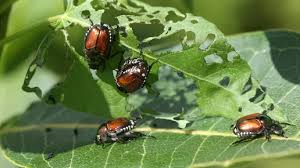
Green Stink Bug (Nezara viridula)
- Appearance:
- Shield-shaped body
- Green color (adults)
- 12-15 mm long
- Strong, piercing mouth parts
- Crops attacked: Beans, cotton, tomato, sorghum
- Feeding:
- Pierce developing seeds or fruits
- Inject digestive enzymes
- Suck liquefied contents
- Damage:
- Shriveled or deformed seeds
- Blemished fruits
- Reduced germination
- Secondary infections
3. BURROWING AND BORING INSECT PESTS
- CHARACTERISTICS OF BURROWING AND BORING INSECTS
Feeding Behavior:
- Boring: Creating tunnels inside plant parts (stems, trunks, fruits)
- Burrowing: Digging tunnels in soil or plant parts
- Internal feeding: Living and feeding inside plant tissues
Physical Adaptations:
- Strong jaws for cutting through plant tissues
- Cylindrical body shape for moving through tunnels
- Reduced eyes (often living in darkness)
- Strong legs for digging or gripping
Life Cycle Characteristics:
- Often spend most of life cycle inside plant
- Pupation may occur inside tunnels
- Adults emerge through exit holes
- Eggs often laid in bark crevices or on plant surface
- EXAMPLES OF BURROWING AND BORING INSECTS
- STEM BORERS
Maize Stem Borer (Busseola fusca)
- Appearance:
- Larva: Cream to pink caterpillar, 25-40 mm long
- Adult: Brown moth with dark spots, 25-35 mm wingspan
- Crops attacked: Maize, sorghum, millet, sugarcane
- Boring behavior:
- Larvae bore into stem after hatching
- Create tunnels inside stem
- Feed on internal stem tissues
- Pupate inside stem
- Damage caused:
- “Dead heart” in young plants
- Broken stems due to weakening
- Reduced grain yield
- Secondary fungal infections
- Signs of attack:
- Entry holes in stems
- Sawdust-like frass around holes
- Wilted growing points
Rice Stem Borer (Chilo suppressalis)
- Appearance:
- Larva: White caterpillar with brown head
- Adult: Yellowish-brown moth
- Crops attacked: Rice, other grasses
- Boring pattern:
- Larvae enter rice stems
- Tunnel upward inside stem
- Cut growing point from inside
- Damage:
- “White heads” in rice
- Reduced tillering
- Empty grain heads
- ROOT BORERS
Sweet Potato Weevil (Cylas puncticollis)
- Appearance:
- Adult: Metallic blue beetle with red-orange thorax
- Larva: White, legless grub
- 6-8 mm long
- Crops attacked: Sweet potato, morning glory
- Boring behavior:
- Adults bore holes in tubers and vines
- Lay eggs in tunnels
- Larvae develop inside tubers
- Damage:
- Tunnels in sweet potato tubers
- Bitter taste in damaged tubers
- Reduced storage life
- Complete loss of marketability
- FRUIT BORERS

Cotton Bollworm/Tomato Fruitworm (Helicoverpa armigera)
- Appearance:
- Larva: Variable color (green, brown, pink), 35-40 mm long
- Adult: Gray-brown moth with dark markings
- Crops attacked: Cotton, tomato, maize, sorghum, vegetables
- Boring behavior:
- Larvae bore into fruits, pods, or cobs
- Feed on developing seeds
- Create large cavities inside fruits
- Damage:
- Holes in fruits with frass
- Destroyed seeds or developing fruits
- Secondary rot from fungal infections
- Significant yield losses
Oriental Fruit Moth (Grapholita molesta)
- Appearance:
- Larva: Pink caterpillar, 10-15 mm long
- Adult: Small gray moth with brown markings
- Crops attacked: Peach, apple, other stone fruits
- Boring pattern:
- Young larvae bore in shoot tips
- Older larvae bore into fruits
- Pupate in bark crevices
- WOOD BORERS

Coffee Berry Borer (Hypothenemus hampei)
- Appearance:
- Very small beetle (1.5-2 mm)
- Dark brown to black
- Cylindrical shape
- Crops attacked: Coffee
- Boring behavior:
- Female bores into coffee berries
- Lays eggs inside seeds
- Larvae develop inside coffee beans
- Damage:
- Reduced coffee quality
- Weight loss in beans
- Premature berry drop
- LEAF MINERS

Serpentine Leaf Miner (Liriomyza trifolii)
- Appearance:
- Adult: Small yellow and black fly, 2-3 mm
- Larva: Tiny yellow maggot inside leaf
- Crops attacked: Vegetables, ornamental plants
- Mining behavior:
- Larvae tunnel between leaf surfaces
- Create winding mines in leaves
- Feed on leaf tissue between upper and lower epidermis
- Damage:
- Serpentine trails in leaves
- Reduced photosynthesis
- Premature leaf drop
- Entry points for diseases
4. COMPARISON BETWEEN PIERCING-SUCKING AND BORING INSECTS
FEEDING LOCATION:
- Piercing-Sucking: Feed externally on plant surface
- Boring: Feed internally within plant tissues
DAMAGE VISIBILITY:
- Piercing-Sucking: Damage often visible on plant surface
- Boring: Internal damage, may not be visible until severe
CONTROL DIFFICULTY:
- Piercing-Sucking: More accessible to spray treatments
- Boring: Protected inside plant, harder to reach with sprays
DAMAGE TYPE:
- Piercing-Sucking: Systemic effects, virus transmission
- Boring: Structural damage, tunneling, weakening
DETECTION:
- Piercing-Sucking: Insects often visible on plants
- Boring: Usually detected by damage symptoms, frass, or exit holes
5. REASONS FOR CLASSIFICATION
- MANAGEMENT BENEFITS
- Treatment Selection
- Piercing-Sucking pests: Systemic insecticides work well
- Boring pests: Contact insecticides less effective, need preventive treatments
- Different application methods required for each group
- Timing of Control
- Piercing-Sucking: Can treat when insects are observed
- Boring: Must treat before insects enter plant tissues
- Critical timing differs between groups
- Monitoring Strategies
- Piercing-Sucking: Visual inspection of plant surfaces
- Boring: Look for entry holes, frass, damage symptoms
- Different scouting techniques needed
- UNDERSTANDING PEST BIOLOGY
- Life Cycle Knowledge
- Each group has different vulnerable stages
- Helps predict when pests will be active
- Guides timing of interventions
- Damage Assessment
- Understanding feeding method helps assess damage potential
- Predicts type of losses to expect
- Helps prioritize control efforts
- INTEGRATED PEST MANAGEMENT
- Natural Enemy Selection
- Different beneficial insects control different pest groups
- Predators vs. parasites effectiveness varies
- Biological control strategies differ
- Cultural Control Methods
- Piercing-Sucking: Reflective mulches, trap crops
- Boring: Sanitation, removal of infested material
- Group-specific cultural practices
- Resistance Management
- Different resistance mechanisms in plants
- Rotation of control methods
- Prevention of resistance development
EVALUATION QUESTIONS
- Why do we classify insect pests by their mouth parts?
- What are the main characteristics of piercing and sucking insects?
- Name five examples of piercing and sucking insects
- How do aphids damage plants?
- What is the difference between soft scale and armored scale insects?
- Describe the feeding behavior of thrips
- What are the characteristics of boring insects?
- Give three examples of stem boring insects
- How does the maize stem borer damage maize plants?
- What signs indicate the presence of boring insects?
- Why are boring insects harder to control than piercing-sucking insects?
- How does classification help in pest management?
ASSIGNMENT
- Create a table comparing piercing-sucking and boring insects
- Draw the mouth parts of a piercing-sucking insect
- List five crops attacked by each group of insects
- Observe plants around your home for signs of both types of damage
- Interview a farmer about which group causes more problems in their area
PRACTICAL ACTIVITY
Classification Exercise:
- Provide students with pictures or specimens of various insects
- Have them classify insects into piercing-sucking or boring groups
- Identify the mouth part types
- Match insects with their typical damage patterns
- Create a class chart showing examples of each group
Damage Assessment Activity:
- Examine plants around school for different types of damage
- Classify damage as caused by piercing-sucking or boring insects
- Look for insects causing the damage
- Record findings in classification chart
- Discuss which group is more common in the area
CONCLUSION
Classifying insect pests by their mouth parts and feeding behavior helps us understand how they damage crops and how to control them effectively. Piercing and sucking insects work externally and often transmit diseases, while boring insects work internally and cause structural damage. This classification system guides farmers in choosing the right control methods and timing their interventions for maximum effectiveness.
REFERENCES
- Primary Agricultural Science Textbook for Primary 5
- Insect Pest Classification Guide
- Integrated Pest Management Manual
- Field Guide to Insect Mouth Parts and Feeding Behavior
Second Term Agricultural Science Lesson Notes for Other Topics

Packaging of Processed Foods
Explore lesson notes covering all topics.

Primary, Secondary and Tertiary Packaging
Explore lesson notes covering all topics.

Types of Agricultural Market
Explore lesson notes covering all topics.
Materials used for Packaging; Nylon, Carton, Paper, Sack, Boxes etc
Explore lesson notes covering all topics.
Reasons for Packaging Farm Produce
Explore lesson notes covering all topics.
Crops that can be Packaged
Explore lesson notes covering all topics.
Market and Marketing of Agricultural Produce
Explore lesson notes covering all topics.
Agricultural Marketing Activities
Explore lesson notes covering all topics.

Damages Caused By Pests
Explore lesson notes covering all topics.

Control Of Insect Pests
Explore lesson notes covering all topics.

Pest And Disease Of Crops
Explore lesson notes covering all topics.

Benefits Of Weeds: Animal Feed, Of Drugs, Food To Man
Explore lesson notes covering all topics.

Control Of Weeds
Explore lesson notes covering all topics.

Effects of Weeds on Farmers
Explore lesson notes covering all topics.

Weeds
Explore lesson notes covering all topics.
Lesson Notes for Other Classes

Basic 1 Lesson Note
The complete lesson note to guide your studies.

Basic 2 Lesson Note
The complete lesson note to guide your studies.

Basic 3 Lesson Note
The complete lesson note to guide your studies.

Basic 4 Lesson Note
The complete lesson note to guide your studies.

Basic 6 Lesson Note
The complete lesson note to guide your studies.

JSS1 Lesson Note
The complete lesson note to guide your studies.