Benefits of Weeds: Animal Feed, of Drugs, Food to Man – Basic 5 Agricultural Science Lesson Note (Second Term)
Download Lesson NoteLesson note at a glance
- Subject
- Agricultural Science
- Class
- Basic 5
- Term
- Second Term
- Topic
- Benefits of Weeds: Animal Feed, of Drugs, Food to Man
- Order
- Topic 4 of 8 this term
- Reading time
- 7 min
Learning objectives
By the end of this lesson, pupils should be able to:
- Enumerate the benefits of weeds to animals and man
- Discuss how weeds are used as medicine
Previous knowledge
Pupils have learned about weeds, their harmful effects, and methods of controlling them in previous lessons.
INTRODUCTION
So far, we have been learning about weeds as enemies of farmers. But did you know that some weeds can actually be useful? Today we will discover the good side of weeds and learn how they can benefit both animals and humans.
Lesson content
1. Benefits of weeds to animals
- ANIMAL FEED AND NUTRITION
- Grazing for Livestock
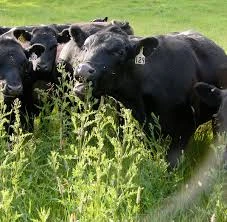
Elephant Grass (Pennisetum purpureum)
- Nutritional value: High in protein and energy
- Animals that eat it: Cattle, goats, sheep, rabbits
- Benefits: Helps animals grow fast and produce more milk
- How used: Cut and fed fresh or dried for hay
- Seasonal advantage: Grows year-round, provides feed during dry season
Spear Grass (Imperata cylindrica)
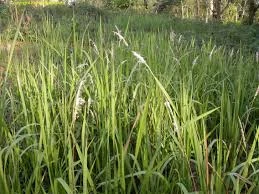
- Nutritional content: Good source of fiber
- Animals: Cattle and goats eat young shoots
- Benefits: Helps with digestion, provides roughage
- Limitation: Lower nutritional value when mature
- Best time: Young shoots are most nutritious
Guinea Grass (Panicum maximum)
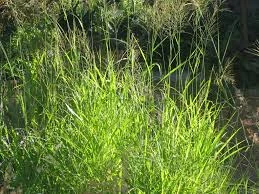
- Quality: High protein content when young
- Animals: Preferred by cattle, horses, and sheep
- Management: Can be planted as pasture grass
- Production: High yield per hectare
- Advantage: Drought resistant
- Wild Vegetables for Poultry
Amaranthus (Pig weed)
- Parts used: Young leaves and tender stems
- Animals: Chickens, ducks, guinea fowl
- Benefits: Rich in vitamins A and C, iron
- Preparation: Can be chopped and mixed with other feeds
- Cost advantage: Free source of nutritious feed
Purslane (Portulaca oleracea)
- Nutritional value: High in omega-3 fatty acids
- Animals: Chickens and rabbits love it
- Benefits: Improves egg quality and health
- Availability: Grows naturally in many areas
- Usage: Fed fresh or dried
- FEEDING STRATEGIES
- Seasonal Feeding
- During rainy season: Fresh weeds supplement pasture
- Dry season: Stored weed hay provides emergency feed
- Year-round: Helps reduce feed costs for farmers
- Strategic grazing: Animals graze weedy areas before cultivation
- Mixed Feeding
- Combine different weed species for balanced nutrition
- Mix weeds with conventional feeds
- Use weeds to stretch expensive commercial feeds
- Provide variety in animal diets
2. Benefits of weeds to humans
- FOOD FOR HUMANS
- Edible Weeds as Vegetables
Water Leaf (Talinum triangulare)
- Common name: Ceylon spinach, Gbure (Yoruba)
- Parts eaten: Leaves and tender stems
- Nutritional value: Rich in vitamins A, C, iron, and protein
- Preparation: Cooked as soup, stewed, or added to other dishes
- Availability: Grows wild but also cultivated
- Health benefits: Good for anemia, improves vision
Amaranthus species (Green amaranth)
- Local names: Tete (Yoruba), Inine (Igbo), Alehu (Hausa)
- Parts used: Young leaves and stems
- Nutrition: High in protein, calcium, iron, vitamins A and C
- Cooking methods: Boiled, steamed, or added to soups
- Advantage: Fast-growing, available throughout the year
Purslane (Portulaca oleracea)
- Local name: Kpabom (some areas)
- Parts eaten: Leaves and stems
- Special nutrients: Highest omega-3 content of any green vegetable
- Uses: Eaten raw in salads or cooked as vegetable
- Health benefits: Good for heart health, reduces inflammation
- Seeds and Grains from Weeds
Wild Rice (Oryza barthii)
- Description: Wild relative of cultivated rice
- Use: Seeds can be harvested and eaten like rice
- Nutritional advantage: Often more nutritious than cultivated varieties
- Preparation: Cooked like regular rice
- Historical importance: Was important food during food shortages
Finger Millet relatives
- Various wild grasses: Produce edible seeds
- Processing: Seeds ground into flour for porridge
- Usage: Emergency food during crop failures
- Cultural importance: Traditional foods in some communities
- ECONOMIC BENEFITS
- Income Generation
- Selling edible weeds in local markets
- Processing weeds into value-added products
- Providing animal feed to other farmers
- Herbal medicine preparation and sales
- Cost Savings
- Reduces need to buy expensive vegetables
- Provides free or cheap animal feed
- Saves money on commercial medicines
- Reduces household food expenses
3. Medicinal uses of weeds
- TRADITIONAL HERBAL MEDICINE
- Common Medicinal Weeds
Neem (Azadirachta indica)
- Parts used: Leaves, bark, seeds
- Medicinal uses:
- Malaria treatment (leaves boiled as tea)
- Skin diseases (leaf paste applied externally)
- Dental care (chewing sticks from twigs)
- Diabetes management (leaf extract)
- Preparation: Leaves dried and ground, bark boiled, oil extracted from seeds
- Caution: Should be used under guidance of traditional healers
Bitter Leaf (Vernonia amygdalina)
- Local names: Ewuro (Yoruba), Onugbu (Igbo), Shiwaka (Hausa)
- Parts used: Leaves primarily
- Health benefits:
- Stomach problems and indigestion
- Malaria and fever reduction
- Diabetes control
- General body cleansing
- Preparation: Leaves squeezed to extract bitter juice, or boiled as tea
Scent Leaf (Ocimum gratissimum)
- Local names: Efinrin (Yoruba), Nchu-anwu (Igbo)
- Parts used: Leaves and sometimes stems
- Medicinal properties:
- Respiratory problems (cough, cold, asthma)
- Digestive disorders
- Fever reduction
- Wound healing
- Usage: Fresh leaves chewed, dried leaves made into tea, or applied as paste
- Preparation Methods
Hot Water Extraction (Teas)
- Boil fresh or dried weed leaves in water
- Allow to steep for 10-15 minutes
- Strain and drink while warm
- Example: Bitter leaf tea for malaria
Cold Water Extraction
- Squeeze fresh leaves in cold water
- Allow to soak for several hours
- Strain and drink
- Example: Waterleaf juice for stomach problems
Paste Preparation
- Pound fresh leaves with mortar and pestle
- Add small amount of water if needed
- Apply directly to affected area
- Example: Neem paste for skin diseases
Oil Extraction
- Seeds or leaves processed to extract oils
- Often requires heating or pressing
- Used for external application
- Example: Neem oil for skin treatment
- MODERN RESEARCH ON MEDICINAL WEEDS
- Scientific Validation
- Many traditional uses being proven by science
- Active compounds identified in medicinal weeds
- Some weeds being developed into modern medicines
- Research ongoing in universities and institutes
- Commercial Development
- Some herbal medicines now sold in pharmacies
- Standardized extracts being produced
- Export potential for medicinal plants
- Growing industry in herbal medicine
4. Environmental benefits of weeds
- SOIL IMPROVEMENT
- Erosion Control
- Weeds cover bare soil and prevent erosion
- Root systems hold soil particles together
- Particularly important on slopes and disturbed areas
- Help maintain soil structure
- Soil Fertility Enhancement
- Deep-rooted weeds bring nutrients from subsoil
- Nitrogen-fixing weeds (leguminous weeds) add nitrogen
- Organic matter added when weeds decompose
- Improve soil microbial activity
- ECOLOGICAL FUNCTIONS
- Habitat for Beneficial Organisms
- Provide shelter for beneficial insects
- Support pollinators like bees and butterflies
- Create microhabitats for small animals
- Maintain biodiversity in agricultural areas
- Natural Pest Control
- Some weeds attract insects that eat crop pests
- Provide alternative hosts for beneficial organisms
- Help maintain ecological balance
- Reduce need for chemical pest control
5. Sustainable use of weeds
- MANAGEMENT PRINCIPLES
- Selective Harvesting
- Harvest useful weeds before they compete with crops
- Leave some for reproduction and ecosystem functions
- Rotate harvesting areas to maintain populations
- Time harvesting for maximum benefit
- Integration with Farming
- Use weeds during fallow periods
- Allow beneficial weeds in non-crop areas
- Manage rather than completely eliminate all weeds
- Balance weed benefits with crop protection
- SAFETY CONSIDERATIONS
- Proper Identification
- Learn to correctly identify useful vs. harmful weeds
- Some weeds are poisonous and should never be consumed
- Get guidance from knowledgeable elders or experts
- When in doubt, don’t use
- Sustainable Harvesting
- Don’t over-harvest any weed species
- Collect from clean, unpolluted areas
- Avoid weeds from roadsides or contaminated areas
- Practice rotation to maintain weed populations
- Preparation Safety
- Follow traditional preparation methods carefully
- Use clean water and utensils
- Store prepared medicines properly
- Seek medical advice for serious illnesses
Evaluation questions
- Name three weeds that can be used as animal feed
- Which animals benefit from eating elephant grass?
- Give two examples of weeds that humans can eat as vegetables
- What are the nutritional benefits of amaranthus leaves?
- Name three medicinal weeds and their uses
- How is bitter leaf used as medicine?
- What parts of the neem tree are used for medicine?
- How do weeds help prevent soil erosion?
- What safety precautions should be taken when using medicinal weeds?
- How can weeds provide income for farmers?
- What environmental benefits do weeds provide?
- Why is proper identification important when using weeds?
ASSIGNMENT
- Interview an elderly person in your community about medicinal uses of weeds
- Find out which weeds are eaten as vegetables in your area
- Observe what weeds animals prefer to eat around your home
- List five benefits of weeds that you learned today
- Draw three useful weeds and label their uses
Practical activity
Community Resource Mapping:
- Take students on a guided walk around the community
- Identify useful weeds with help from knowledgeable community members
- Learn local names and uses for each weed
- Collect samples for class display (with permission)
- Create a community resource map showing locations of useful weeds
Preparation Demonstration:
- Demonstrate safe preparation of herbal tea using common medicinal weeds
- Show proper identification techniques
- Discuss safety precautions
- Let students observe (not consume) the preparation process
CONCLUSION
While weeds can be problems for farmers, they also have many benefits. They provide food and medicine for people, feed for animals, and help protect the environment. The key is learning to manage weeds wisely – controlling them when they harm crops but also recognizing and using their benefits. This balanced approach helps farmers get the most from their land while maintaining healthy ecosystems.
REFERENCES
- Primary Agricultural Science Textbook for Primary 5
- Traditional Medicine and Medicinal Plants Guide
- Edible Wild Plants of Nigeria
- Sustainable Agriculture and Weed Management
This term's Agricultural Science topics
Basic 5 Second Term · 8 topics
- Weeds
- Effects of Weeds on Farmers
- Control of Weeds
- Benefits of Weeds: Animal Feed, of Drugs, Food to Man
- Pest and Disease of Crops
- Classification of Insect Pests; Piercing and Sucking Insect Pest
- Control of Insect Pests
- Damages Caused by Pests
Second Term Agricultural Science Lesson Notes for Other Topics

Packaging of Processed Foods
Read the full lesson note.

Primary, Secondary and Tertiary Packaging
Read the full lesson note.
Types of Agricultural Market
Read the full lesson note.

Materials used for Packaging; Nylon, Carton, Paper, Sack, Boxes etc
Read the full lesson note.

Reasons for Packaging Farm Produce
Read the full lesson note.
Crops that can be Packaged
Read the full lesson note.
Market and Marketing of Agricultural Produce
Read the full lesson note.
Agricultural Marketing Activities
Read the full lesson note.

Damages Caused By Pests
Read the full lesson note.

Control Of Insect Pests
Read the full lesson note.

Classification Of Insect Pests; Piercing And Sucking Insect Pest
Read the full lesson note.
Pest And Disease Of Crops
Read the full lesson note.

Control Of Weeds
Read the full lesson note.
Effects of Weeds on Farmers
Read the full lesson note.

Weeds
Read the full lesson note.
Lesson Notes for Other Classes

Basic 1 Lesson Note
The complete lesson note to guide your studies.

Basic 2 Lesson Note
The complete lesson note to guide your studies.

Basic 3 Lesson Note
The complete lesson note to guide your studies.

Basic 4 Lesson Note
The complete lesson note to guide your studies.

Basic 6 Lesson Note
The complete lesson note to guide your studies.

JSS1 Lesson Note
The complete lesson note to guide your studies.