Pest and Disease of Crops – Basic 5 Agricultural Science Lesson Note (Second Term)
Download this term · ₦1,000Lesson note at a glance
- Subject
- Agricultural Science
- Class
- Basic 5
- Term
- Second Term
- Topic
- Pest and Disease of Crops
- Order
- Topic 5 of 8 this term
- Reading time
- 8 min
Learning objectives
By the end of this lesson, pupils should be able to:
- Define pests of crops
- Identify various insect pests
Previous knowledge
Pupils have learned about weeds and their effects on crops. They understand that crops face various challenges that reduce their growth and yield.
INTRODUCTION
Just as weeds compete with crops for resources, there are other living things that attack and damage crops. These are called pests. Today we will learn about these crop enemies and how to recognize them.
Lesson content
1. Definition of pests of crops
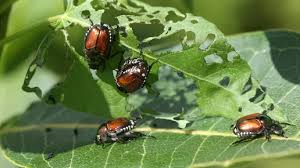
What are Crop Pests? Crop pests are living organisms that attack crops and cause damage, leading to reduced yield, poor quality, or complete crop loss.
Simple Definition: A pest is any living thing that harms crops and reduces their value to farmers.
Categories of Crop Pests:
- Insect pests – Small creatures with six legs that eat or damage crops
- Disease pests – Tiny organisms (fungi, bacteria, viruses) that cause diseases
- Animal pests – Larger animals like rodents and birds that eat crops
- Nematode pests – Tiny worms that attack plant roots
Key Characteristics of Pests:
- They feed on crops or parts of crops
- They reduce crop yield and quality
- They can spread quickly from plant to plant
- They often have rapid reproduction rates
- They adapt quickly to control measures
- They cause economic losses to farmers
2. Types of crop pests
- INSECT PESTS Small creatures with six legs, three body parts (head, thorax, abdomen), and usually wings.
- DISEASE ORGANISMS Microscopic organisms that cause plant diseases.
- VERTEBRATE PESTS Animals with backbones that damage crops.
- OTHER PESTS Various other organisms that harm crops.
3. Identification of various insect pests
- CHEWING INSECTS These insects bite and chew plant parts with their strong jaws.
Grasshoppers and Locusts
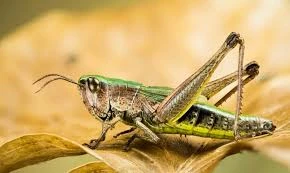
- Scientific names: Zonocerus variegatus (variegated grasshopper), Oedaleus senegalensis
- Appearance:
- Large hind legs for jumping
- Long antennae
- Strong jaws for chewing
- Wings that may be colorful
- Size: 2-8 cm long
- Colors: Green, brown, yellow, sometimes with stripes or spots
- Crops attacked: Maize, rice, millet, sorghum, vegetables
- Damage: Eat leaves, stems, and sometimes entire young plants
- Life cycle: Egg → Nymph → Adult (incomplete metamorphosis)
- Caterpillars (Larvae of Moths and Butterflies)

Fall Armyworm (Spodoptera frugiperda)
- Appearance:
- Green to brown caterpillar with stripes
- Dark head with distinctive markings
- About 3-4 cm when fully grown
- Crops attacked: Maize, rice, sorghum, cotton
- Damage: Eats leaves, creating holes and “windows”
- Special behavior: Feeds mostly at night, hides during day
Cotton Bollworm (Helicoverpa armigera)
- Appearance:
- Yellow, green, or brown caterpillar
- Stripes along the body
- About 4 cm long when mature
- Crops attacked: Cotton, tomato, cowpea, maize
- Damage: Bores into fruits and pods, eats developing seeds
- Beetles
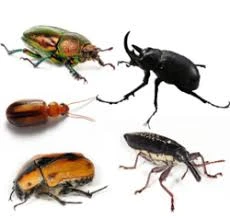
Maize Weevil (Sitophilus zeamais)
- Appearance:
- Small, dark brown beetle
- Long snout (rostrum)
- About 3-4 mm long
- Crops attacked: Stored maize, rice, wheat
- Damage: Adults bore holes in grains, larvae develop inside grains
- Life cycle: Complete metamorphosis (egg → larva → pupa → adult)
Cowpea Weevil (Callosobruchus maculatus)
- Appearance:
- Small, brown beetle with spots
- About 3-5 mm long
- Short antennae
- Crops attacked: Cowpea, beans, groundnut
- Damage: Larvae develop inside seeds, reducing quality
- PIERCING AND SUCKING INSECTS These insects have needle-like mouthparts to pierce plants and suck fluids.
- Aphids
- Scientific name: Aphis gossypii (cotton aphid), others
- Appearance:
- Very small (1-3 mm)
- Soft, pear-shaped body
- Green, black, or brown color
- Long antennae
- May have wings or be wingless
- Crops attacked: Almost all crops including vegetables, cotton, maize
- Damage: Suck plant sap, causing yellowing and stunting
- Special problems: Transmit plant viruses, produce honeydew that attracts ants
- Scale Insects
- Appearance:
- Small, flat, oval-shaped
- Hard or soft shell covering
- 1-5 mm in size
- Brown, white, or colored shells
- Crops attacked: Fruit trees, ornamental plants, some field crops
- Damage: Suck plant sap, cause yellowing and branch dieback
- Behavior: Often stay in one place on plant, protected by shell
- Thrips
- Appearance:
- Very small (1-2 mm)
- Slender body
- Fringed wings
- Yellow, brown, or black color
- Crops attacked: Tomato, pepper, onion, cotton, flowers
- Damage: Scrape leaf surface and suck contents, causing silvery patches
- Disease transmission: Some species spread plant viruses
- BORING INSECTS These insects bore into plant stems, roots, or fruits.
- Stem Borers
Maize Stem Borer (Busseola fusca)
- Appearance:
- Caterpillar: cream to pink color
- About 2-4 cm long
- Adult moth: brown with spots
- Crops attacked: Maize, sorghum, millet
- Damage: Larvae bore into stems, causing “dead hearts” and broken stems
- Signs: Holes in stems, sawdust-like frass, wilted growing points
Rice Stem Borer (Chilo suppressalis)
- Appearance:
- Caterpillar: white with brown head
- About 2-3 cm long
- Adult moth: yellowish-brown
- Crops attacked: Rice, other grasses
- Damage: Bores into rice stems, causes “white heads”
- Root Borers
- Examples: Various beetle and moth larvae
- Damage: Tunnel through roots, weakening plants
- Symptoms: Stunted growth, wilting, easy uprooting
- FLYING INSECTS
- Whiteflies
- Appearance:
- Very small (1-2 mm)
- White, powdery wings
- Yellow body
- Crops attacked: Tomato, pepper, cotton, cassava
- Damage: Suck plant sap, transmit viruses
- Behavior: Fly in clouds when disturbed
- Fruit Flies
- Appearance:
- Small flies (3-8 mm)
- Often with patterned wings
- Various colors
- Crops attacked: Mango, orange, tomato, pepper
- Damage: Larvae develop inside fruits, causing rot and drop
4. Signs and symptoms of insect attack
- VISIBLE SIGNS ON PLANTS
- Leaf Damage
- Holes in leaves: Caused by chewing insects
- Yellowing leaves: From sucking insects
- Curled or distorted leaves: From aphids or thrips
- Silvery patches: From thrips feeding
- Sticky honeydew: From aphids and scale insects
- Stem Damage
- Holes in stems: From borers
- Wilted growing points: “Dead hearts” from stem borers
- Sawdust-like material: Frass from boring insects
- Broken or bent stems: Weakened by internal damage
- Root Damage
- Stunted plant growth: From root-feeding insects
- Easy uprooting: Roots weakened by borers
- Yellowing despite good soil: Root damage affecting nutrient uptake
- Fruit and Seed Damage
- Holes in fruits: From fruit flies or bollworms
- Premature fruit drop: From internal damage
- Holes in stored grains: From storage pests
- Powdery residue: From grain weevils
- PRESENCE OF INSECTS
- Direct Observation
- Seeing insects on plants: During field inspection
- Insect droppings: Small pellets near damage
- Cast skins: Left behind by molting insects
- Egg masses: On leaves or stems
- Behavioral Evidence
- Ants attending aphids: For honeydew
- Birds feeding on plants: May indicate insect presence
- Increased insect activity: During certain times of day
5. Factors that favor pest development
- ENVIRONMENTAL FACTORS
- Weather Conditions
- Temperature: Many pests multiply faster in warm weather
- Humidity: High humidity favors many insect pests
- Rainfall: Excessive rain can increase some pests, drought others
- Wind: Can carry flying pests to new areas
- Seasonal Patterns
- Dry season: Storage pests become more active
- Rainy season: Field pests multiply rapidly
- Crop growing season: Provides food for pest development
- AGRICULTURAL PRACTICES
- Monoculture
- Large areas of single crop provide abundant food for specialized pests
- Pests can build up to high numbers quickly
- Lack of natural enemies in simplified ecosystems
- Poor Field Hygiene
- Crop residues harbor overwintering pests
- Weedy fields provide alternative hosts
- Poor storage practices encourage storage pests
- Excessive Fertilizer Use
- Over-fertilized plants may be more attractive to pests
- Lush growth provides better breeding sites
- Disrupts natural plant defense mechanisms
6. Economic importance of insect pests
- YIELD LOSSES
- Can cause 20-40% crop losses if uncontrolled
- Some pests can destroy entire crops
- Quality of produce is reduced
- Storage losses can reach 30-50%
- INCREASED PRODUCTION COSTS
- Money spent on pest control measures
- Additional labor for monitoring and treatment
- Need for resistant varieties (often more expensive)
- Storage protection costs
- MARKET IMPACT
- Damaged produce gets lower prices
- Export restrictions due to pest presence
- Consumer rejection of pest-damaged products
- Reduced competitiveness in markets
Evaluation questions
- What is a crop pest?
- Name the four main categories of crop pests
- Give three characteristics of insect pests
- What type of mouthparts do grasshoppers have?
- Name two crops attacked by fall armyworm
- How do aphids damage plants?
- What is the difference between chewing and sucking insects?
- Give two examples of boring insects
- What signs indicate stem borer attack in maize?
- Name three factors that favor pest development
- How do insect pests cause economic losses?
- What are the signs of aphid attack on plants?
ASSIGNMENT
- Visit a farm or garden and look for signs of insect damage
- Draw three different types of insect damage you observe
- Try to identify what type of insect caused each damage
- Ask a farmer about the main insect pests they face
- Record your observations in your notebook
Practical activity
Pest Detection Exercise:
- Take students to school farm or nearby crops
- Examine plants systematically for pest signs
- Look for insects on plants (use magnifying glass if available)
- Document findings with drawings or photos
- Identify damage patterns and possible causes
- Create a class record of pests found
Pest Identification Practice:
- Collect common insects from around school (safely)
- Observe characteristics using simple magnification
- Group insects by body parts and mouthpart types
- Practice describing insects using proper terms
- Create simple identification keys
CONCLUSION
Crop pests, especially insects, are major challenges for farmers. Learning to identify different types of insect pests and recognize signs of their damage is the first step in protecting crops. Understanding pest characteristics and behavior helps farmers make better decisions about when and how to control them. Regular monitoring of crops for pest problems is essential for successful farming.
REFERENCES
- Primary Agricultural Science Textbook for Primary 5
- Field Guide to Common Crop Pests in Nigeria
- Integrated Pest Management for Small-scale Farmers
- Insect Pest Identification Manual
This term's Agricultural Science topics
Basic 5 Second Term · 8 topics
Get Agricultural Science as PDF and Word
Every week of Basic 5 Agricultural Science, Second Term, formatted and ready to print. Ad-free, and the copy lock comes off.
Get this term Card, bank transfer, USSD or OPay
Second Term Agricultural Science Lesson Notes for Other Topics
Packaging of Processed Foods
Read the full lesson note.

Primary, Secondary and Tertiary Packaging
Read the full lesson note.
Types of Agricultural Market
Read the full lesson note.
Materials used for Packaging; Nylon, Carton, Paper, Sack, Boxes etc
Read the full lesson note.
Reasons for Packaging Farm Produce
Read the full lesson note.
Crops that can be Packaged
Read the full lesson note.
Market and Marketing of Agricultural Produce
Read the full lesson note.
Agricultural Marketing Activities
Read the full lesson note.

Damages Caused By Pests
Read the full lesson note.

Control Of Insect Pests
Read the full lesson note.

Classification Of Insect Pests; Piercing And Sucking Insect Pest
Read the full lesson note.
Benefits Of Weeds: Animal Feed, Of Drugs, Food To Man
Read the full lesson note.
Control Of Weeds
Read the full lesson note.
Effects of Weeds on Farmers
Read the full lesson note.

Weeds
Read the full lesson note.
Lesson Notes for Other Classes

Basic 1 Lesson Note
The complete lesson note to guide your studies.
Basic 2 Lesson Note
The complete lesson note to guide your studies.

Basic 3 Lesson Note
The complete lesson note to guide your studies.

Basic 4 Lesson Note
The complete lesson note to guide your studies.

Basic 6 Lesson Note
The complete lesson note to guide your studies.

JSS1 Lesson Note
The complete lesson note to guide your studies.