Damages Caused by Pests – Basic 5 Agricultural Science Lesson Note (Second Term)
Download this term · ₦1,000Lesson note at a glance
- Subject
- Agricultural Science
- Class
- Basic 5
- Term
- Second Term
- Topic
- Damages Caused by Pests
- Order
- Topic 8 of 8 this term
- Reading time
- 9 min
Learning objectives
By the end of the lesson, pupils should be able to:
- Identify the damages caused by pests on crops
- Describe the damages caused by pests on crops
- Provide solutions on how to avoid pest damage
Previous knowledge
Pupils have learned about different types of insect pests and their classification based on mouth parts in previous lessons.
INTRODUCTION
We have learned about different types of pests that attack crops. Today we will focus on understanding exactly what damage these pests cause and how farmers can recognize and prevent these damages.
Lesson content
1. Types of damages caused by pests on crops
- DIRECT PHYSICAL DAMAGE
- Leaf Damage
Holes in Leaves
- Caused by: Chewing insects (grasshoppers, caterpillars, beetles)
- Appearance: Round, irregular, or straight-edged holes
- Examples:
- Fall armyworm creates large irregular holes in maize leaves
- Grasshoppers make clean-cut holes along leaf edges
- Leaf beetles create small, round holes
- Impact: Reduces leaf area for photosynthesis
Leaf Yellowing and Wilting
- Caused by: Piercing and sucking insects (aphids, whiteflies, thrips)
- Appearance: Yellow patches, curled leaves, wilted appearance
- Examples:
- Aphids cause yellowing and curling of tomato leaves
- Whiteflies cause irregular yellowing of cassava leaves
- Thrips create silvery streaks on onion leaves
- Impact: Reduced plant vigor and growth
Skeletonized Leaves
- Caused by: Insects that eat soft leaf tissue but leave veins
- Appearance: Leaf veins remain but green tissue is gone
- Examples:
- Some caterpillars eat only the soft parts of leaves
- Certain beetles strip leaves down to veins
- Impact: Severe reduction in photosynthesis
- Stem Damage
Stem Boring
- Caused by: Stem borer larvae (maize stem borer, rice stem borer)
- Appearance:
- Entry holes in stems
- Sawdust-like material (frass) around holes
- Wilted growing points (“dead hearts”)
- Broken or bent stems
- Examples:
- Maize stem borer creates tunnels in maize stalks
- Rice stem borer causes “white heads” in rice
- Impact: Weakened stems, reduced yield, plant death
Stem Girdling
- Caused by: Bark beetles, some caterpillars
- Appearance: Ring of damage around stem
- Impact: Cuts off nutrient flow, kills plant above girdle
- Root Damage
Root Feeding
- Caused by: Root-feeding larvae, nematodes
- Appearance:
- Stunted plant growth
- Yellowing despite good soil
- Easy uprooting
- Visible tunnels or holes in roots
- Examples:
- Sweet potato weevil larvae tunnel through tubers
- White grubs eat crop roots
- Impact: Poor nutrient and water uptake
Root Galling
- Caused by: Root-knot nematodes
- Appearance: Swollen, knotted roots
- Impact: Blocked nutrient flow, stunted growth
- Fruit and Seed Damage
Fruit Boring
- Caused by: Fruit borers (bollworm, fruit flies)
- Appearance:
- Small holes in fruits
- Tunnels inside fruits
- Frass or larvae inside fruits
- Premature fruit drop
- Examples:
- Cotton bollworm bores into tomatoes
- Fruit flies attack mangoes and oranges
- Impact: Destroyed fruits, unmarketable produce
Seed Damage
- Caused by: Storage pests (weevils, moths)
- Appearance:
- Holes in seeds/grains
- Powdery residue
- Hollow seeds
- Live insects in stored grain
- Examples:
- Maize weevil damages stored maize
- Bean weevil destroys stored beans
- Impact: Reduced germination, food loss
- INDIRECT DAMAGE
- Disease Transmission
Virus Transmission
- Vectors: Aphids, whiteflies, thrips
- Diseases spread:
- Cassava mosaic virus (by whiteflies)
- Tomato yellow leaf curl virus (by whiteflies)
- Groundnut rosette virus (by aphids)
- Symptoms: Mottled leaves, stunted growth, poor yield
- Impact: Often more serious than direct feeding damage
Bacterial Transmission
- Vectors: Various sucking insects
- Examples: Fire blight spread by aphids
- Impact: Wilting, blackening, plant death
Fungal Infection
- Entry points: Wounds created by chewing insects
- Secondary infections: Fungi enter through pest damage
- Impact: Rot, decay, further plant weakening
- Contamination
Honeydew Production
- Producers: Aphids, scales, whiteflies
- Problems:
- Sticky substance covers leaves
- Attracts ants
- Promotes sooty mold growth
- Blocks light from reaching leaves
- Impact: Reduced photosynthesis, poor appearance
Frass Contamination
- Source: Caterpillar and other insect droppings
- Problems:
- Contaminates harvested produce
- Reduces market quality
- May contain disease organisms
- Impact: Lower prices, rejected produce
2. Description of specific pest damages
- FIELD CROP DAMAGES
Maize Damage
Fall Armyworm Damage
- Early stage: Small holes in leaves, “window pane” effect
- Advanced stage: Large irregular holes, destroyed growing point
- Severe attack: Complete defoliation, plant death
- Economic loss: Can cause 20-70% yield loss
Stem Borer Damage
- Young plants: “Dead heart” – central growing point dies and can be pulled out easily
- Older plants: Broken stems, lodging, tunnels visible when stem is split
- Yield impact: Reduced grain formation, poor grain filling
Maize Weevil Damage (Storage)
- Appearance: Round holes in stored maize grains
- Internal damage: Hollowed-out grains with only shell remaining
- Contamination: Powdery dust, live insects in grain
- Loss: 30-50% of stored grain can be destroyed
Rice Damage
Rice Stem Borer
- Vegetative stage: “Dead heart” symptom
- Reproductive stage: “White head” – empty grain heads
- Yield loss: 10-60% depending on timing and severity
Rice Blast (fungal disease spread by insects)
- Symptoms: Diamond-shaped lesions on leaves
- Severe cases: Complete leaf burning, neck rot
- Impact: Significant yield reduction
- VEGETABLE CROP DAMAGES
Tomato Damage
Aphid Damage
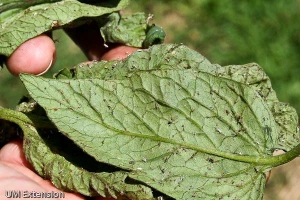
- Direct effects: Curled leaves, yellowing, stunted growth
- Indirect effects: Virus transmission, honeydew production
- Yield impact: Reduced fruit size and number
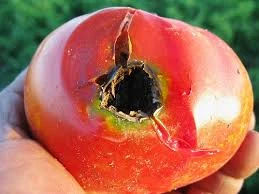
Tomato Fruitworm

- Damage pattern: Large holes in fruits, larvae inside
- Quality loss: Unmarketable fruits, secondary rot
- Economic impact: High-value crop losses
Whitefly Damage
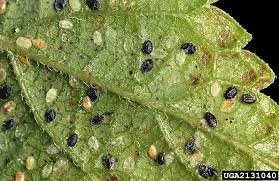
- Feeding damage: Yellowing, wilting of leaves
- Virus transmission: Tomato yellow leaf curl virus
- Honeydew: Sooty mold on fruits and leaves
Pepper Damage
Thrips Damage
- Leaf symptoms: Silvery streaks, distorted growth
- Fruit symptoms: Scarred, unmarketable peppers
- Plant response: Reduced flowering, poor fruit set
- STORAGE CROP DAMAGES
Cowpea/Bean Storage Damage
Bean Weevil
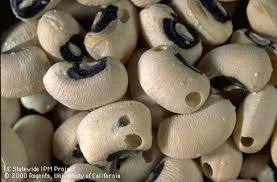
- Adult damage: Egg-laying holes in pods
- Larval damage: Develop inside seeds, emergence holes
- Quality loss: Reduced protein content, poor appearance
- Economic loss: 50-90% loss in severe infestations
Groundnut Storage Damage
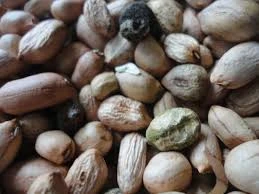
Storage Moths
- Damage pattern: Webbing over nuts, frass contamination
- Quality effects: Rancid taste, moldy appearance
- Market impact: Complete rejection by buyers
3. Factors affecting severity of pest damage
- ENVIRONMENTAL FACTORS
Weather Conditions
- Temperature: Higher temperatures increase pest development
- Humidity: Affects pest survival and reproduction
- Rainfall: Influences pest movement and disease development
- Seasonal patterns: Determine pest emergence timing
Crop Growth Stage
- Seedling stage: Most vulnerable to damage
- Flowering stage: Critical for yield formation
- Grain filling: Determines final yield
- Storage stage: Different pests become active
- AGRICULTURAL FACTORS
Crop Variety
- Susceptible varieties: Suffer more damage
- Resistant varieties: Better tolerance to pests
- Plant characteristics: Affect pest preference
Cultural Practices
- Planting time: Early or late planting affects pest pressure
- Plant density: Overcrowding increases pest problems
- Fertilization: Over-fertilization may attract pests
- Irrigation: Affects pest development conditions
4. Solutions to avoid pest damage
- PREVENTION STRATEGIES
- Site Selection and Preparation
Choose Appropriate Location
- Select fields away from previous infestations
- Avoid areas near alternate host plants
- Consider wind direction and drainage
- Ensure good air circulation
Proper Land Preparation
- Clean fields of crop residues that harbor pests
- Deep plowing to expose and kill soil-dwelling pests
- Allow fields to dry between seasons
- Remove weeds that serve as alternate hosts
- Use of Resistant Varieties
Plant Resistant Crops
- Choose varieties bred for pest resistance
- Use certified seeds from reliable sources
- Rotate different varieties to prevent pest adaptation
- Consider local recommendations for resistant varieties
Benefits of Resistant Varieties:
- Reduced need for pesticide applications
- Lower production costs
- More stable yields
- Environmental benefits
- Cultural Control Methods
Proper Timing
- Plant at recommended times to avoid peak pest periods
- Harvest early to reduce field exposure
- Synchronize planting in community to break pest cycles
- Time operations based on pest life cycles
Crop Rotation
- Rotate with non-host crops
- Break pest life cycles
- Reduce soil-dwelling pest populations
- Improve overall soil health
Intercropping
- Plant crops that repel pests
- Use trap crops to divert pests
- Increase biodiversity to support natural enemies
- Examples: Maize-bean intercropping
- MONITORING AND EARLY DETECTION
- Regular Field Inspection
Visual Monitoring
- Check plants weekly for pest signs
- Look for damage symptoms
- Count pest numbers when possible
- Record observations in farm diary
Timing of Monitoring
- Early morning for many pests
- Late evening for nocturnal pests
- After rains when conditions favor pests
- During critical crop growth stages
- Use of Monitoring Tools
Pheromone Traps
- Attract specific pest species
- Help determine when pests are active
- Guide timing of control measures
- Monitor pest population levels
Yellow Sticky Traps
- Catch flying insects like whiteflies, aphids
- Help detect early infestations
- Monitor effectiveness of control measures
- INTEGRATED PEST MANAGEMENT (IPM)
- Biological Control
Encourage Natural Enemies
- Plant flowers to attract beneficial insects
- Avoid broad-spectrum pesticides
- Provide habitat for predators and parasites
- Release commercially available beneficial insects
Examples of Natural Enemies:
- Ladybird beetles eat aphids
- Parasitic wasps attack caterpillars
- Spiders catch many flying insects
- Birds eat many pest insects
- Mechanical Control
Physical Removal
- Hand-picking large pests like caterpillars
- Shaking plants to dislodge pests
- Using barriers like nets or row covers
- Destroying egg masses
Trapping
- Light traps for night-flying moths
- Pheromone traps for specific pests
- Sticky traps for flying insects
- Pitfall traps for crawling pests
- Chemical Control (When Necessary)
Selective Pesticide Use
- Use pesticides specific to target pests
- Apply only when economic thresholds are reached
- Follow label instructions carefully
- Rotate different modes of action to prevent resistance
Application Timing
- Treat during pest vulnerable stages
- Apply during optimal weather conditions
- Avoid spraying when beneficial insects are active
- Time applications based on monitoring results
- POST-HARVEST PROTECTION
- Proper Harvesting
Timely Harvest
- Harvest at proper maturity
- Avoid over-ripe produce that attracts pests
- Handle carefully to avoid wounds
- Sort out damaged produce
Field Sanitation
- Remove crop residues promptly
- Destroy infested materials
- Clean harvesting equipment
- Avoid mixing infested with clean produce
- Storage Protection
Proper Drying
- Reduce moisture content to safe levels
- Use solar drying or artificial drying
- Ensure uniform drying
- Test moisture levels before storage
Clean Storage Facilities
- Clean and disinfect storage areas
- Repair cracks and holes
- Ensure proper ventilation
- Use appropriate storage containers
Storage Treatments
- Use approved storage protectants
- Apply treatments uniformly
- Monitor stored products regularly
- Practice first-in-first-out rotation
Evaluation questions
- Name four types of direct physical damage caused by pests
- What causes “dead heart” in maize plants?
- How do aphids cause indirect damage to plants?
- What is honeydew and what problems does it cause?
- Describe the damage caused by fall armyworm in maize
- How do storage pests damage grains?
- What factors affect the severity of pest damage?
- Give three prevention strategies for pest damage
- Why is early detection important in pest management?
- Name two biological control methods
- What is integrated pest management?
- How can proper storage prevent pest damage?
ASSIGNMENT
- Visit a farm and identify three types of pest damage you observe
- Describe each type of damage in detail
- Suggest appropriate solutions for each damage type
- Interview a farmer about the most serious pest damages they face
- Draw pictures showing before and after pest damage on crops
Practical activity
Damage Assessment Exercise:
- Examine crops in school farm for pest damage
- Classify damage as direct or indirect
- Identify likely pest causes
- Measure severity of damage (count holes, measure affected area)
- Document findings with drawings or photos
- Develop action plan for addressing problems found
Prevention Planning:
- Assess current pest prevention practices at school
- Identify gaps in prevention strategies
- Develop improved prevention plan
- Implement selected prevention measures
- Monitor effectiveness of interventions
CONCLUSION
Pest damage to crops can be severe and costly, affecting both quantity and quality of produce. Understanding the types of damage helps farmers recognize problems early and take appropriate action. The best approach combines prevention, early detection, and integrated management strategies. By implementing proper prevention measures and monitoring regularly, farmers can significantly reduce pest damage and protect their crops.
REFERENCES
- Primary Agricultural Science Textbook for Primary 5
- Crop Damage Assessment Manual
- Integrated Pest Management Guide
- Field Guide to Pest Damage Identification
This term's Agricultural Science topics
Basic 5 Second Term · 8 topics
Get Agricultural Science as PDF and Word
Every week of Basic 5 Agricultural Science, Second Term, formatted and ready to print. Ad-free, and the copy lock comes off.
Get this term Card, bank transfer, USSD or OPay
Second Term Agricultural Science Lesson Notes for Other Topics
Packaging of Processed Foods
Read the full lesson note.

Primary, Secondary and Tertiary Packaging
Read the full lesson note.
Types of Agricultural Market
Read the full lesson note.

Materials used for Packaging; Nylon, Carton, Paper, Sack, Boxes etc
Read the full lesson note.
Reasons for Packaging Farm Produce
Read the full lesson note.
Crops that can be Packaged
Read the full lesson note.
Market and Marketing of Agricultural Produce
Read the full lesson note.
Agricultural Marketing Activities
Read the full lesson note.

Control Of Insect Pests
Read the full lesson note.

Classification Of Insect Pests; Piercing And Sucking Insect Pest
Read the full lesson note.
Pest And Disease Of Crops
Read the full lesson note.
Benefits Of Weeds: Animal Feed, Of Drugs, Food To Man
Read the full lesson note.
Control Of Weeds
Read the full lesson note.
Effects of Weeds on Farmers
Read the full lesson note.

Weeds
Read the full lesson note.
Lesson Notes for Other Classes

Basic 1 Lesson Note
The complete lesson note to guide your studies.
Basic 2 Lesson Note
The complete lesson note to guide your studies.

Basic 3 Lesson Note
The complete lesson note to guide your studies.

Basic 4 Lesson Note
The complete lesson note to guide your studies.

Basic 6 Lesson Note
The complete lesson note to guide your studies.

JSS1 Lesson Note
The complete lesson note to guide your studies.