
Reading On Effects Of Harmful Herbal Medicine Basic 2 English Studies Lesson Note
Download Lesson NoteTopic: Reading On Effects Of Harmful Herbal Medicine
Learning Objectives
By the end of the lesson, pupils should be able to:
- Identify information about harmful herbal medicine from the passage
- Use evidence from the passage to explain the risk factors of harmful practices with herbal medicine
- Share their experiences about the use of herbal medicine
Content
Reading Passage: “Understanding Herbal Medicine Safety”
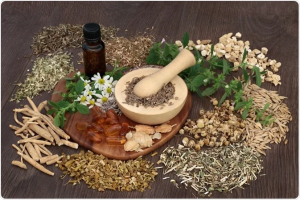
Many people around the world use herbal medicine to treat illnesses and stay healthy. Herbal medicines are made from plants like leaves, roots, flowers, and bark. While some herbal medicines can be helpful, it is very important to understand that not all plant medicines are safe.
In our community, some families use traditional herbs that have been passed down from grandparents to parents to children. These include bitter leaf for stomach problems, ginger for colds, and turmeric for cuts and wounds. When used correctly and in small amounts, these herbs can sometimes help people feel better.
However, there are serious dangers when herbal medicines are not used safely. Some plants can be poisonous and cause severe illness or even death. For example, some mushrooms look safe to eat but are actually deadly. Other plants can cause stomach pain, headaches, skin rashes, or difficulty breathing.
Dr. Amina, a local doctor, explains, “The biggest problem is that many people don’t know the correct amount to use. Too much of any herb can be dangerous, even if the plant is normally safe. Also, some herbs can be harmful when mixed with regular medicines from the pharmacy.”
Another serious risk is buying herbs from people who are not trained or licensed. Sometimes these sellers don’t know which plants are safe or how to prepare them properly. They might give wrong information or sell contaminated herbs that contain harmful chemicals or bacteria.
Children are especially at risk because their bodies are smaller and more sensitive than adults. A small amount of a harmful herb can make a child very sick very quickly. Some herbs that are safe for adults can be dangerous for children.
The passage warns that pregnant women should be extremely careful with herbal medicines because some herbs can harm the unborn baby. Nursing mothers also need to be cautious because herbs can pass through breast milk to the baby.
Signs that an herbal medicine might be causing harm include: severe stomach pain, vomiting that won’t stop, difficulty breathing, skin rashes, dizziness, or unusual tiredness. If any of these symptoms occur after taking herbal medicine, the person should stop using it immediately and see a doctor.
To use herbal medicines safely, Dr. Amina recommends: only use herbs that you are absolutely sure about, never exceed the recommended amount, tell your doctor about any herbs you are taking, buy only from licensed herbalists, and stop using any herb that causes bad side effects.
The passage concludes that while traditional herbal medicine can be part of healthcare, it should be used with knowledge, caution, and respect for its power. When in doubt, it is always better to consult with a trained healthcare professional.
Comprehension Questions
Identifying Information:
- What are herbal medicines made from?
- Name three traditional herbs mentioned in the passage and their uses.
- Who is Dr. Amina and what does she do?
- What are some signs that an herbal medicine might be causing harm?
- Which groups of people are especially at risk from harmful herbs?
Understanding Risk Factors:
- Why can some herbal medicines be dangerous?
- What happens when people use too much of an herb?
- Why is it risky to buy herbs from untrained sellers?
- How can herbal medicines affect children differently than adults?
- What special risks do pregnant women face with herbal medicines?
Risk Factors Analysis
1. DOSAGE PROBLEMS (Using Wrong Amounts)
Risk: Taking too much of any herb can be dangerous Evidence from passage: “Too much of any herb can be dangerous, even if the plant is normally safe” Examples:
- A safe herb becomes poisonous in large amounts
- Children need much smaller doses than adults
- Some people think “more is better” but this is wrong
2. LACK OF KNOWLEDGE
Risk: People don’t know which plants are safe Evidence from passage: “Some plants can be poisonous and cause severe illness or even death” Examples:
- Eating the wrong type of mushroom
- Using a plant that looks similar to a safe one
- Not knowing how to prepare herbs properly
3. MIXING WITH OTHER MEDICINES
Risk: Herbs can interact badly with pharmacy medicines Evidence from passage: “Some herbs can be harmful when mixed with regular medicines from the pharmacy” Examples:
- Herb makes regular medicine too strong
- Herb cancels out the effect of important medicine
- Dangerous chemical reactions occur
4. UNTRAINED SELLERS
Risk: Getting wrong information or contaminated herbs Evidence from passage: “Sometimes these sellers don’t know which plants are safe or how to prepare them properly” Examples:
- Seller gives wrong plant by mistake
- Herbs contaminated with harmful chemicals
- Incorrect preparation instructions
5. VULNERABLE POPULATIONS
Risk: Some people are more sensitive to herb effects Evidence from passage: “Children are especially at risk because their bodies are smaller and more sensitive” Special risks for:
- Children: Small bodies, developing organs
- Pregnant women: Can harm unborn baby
- Nursing mothers: Herbs pass through breast milk
- Elderly people: May have weaker immune systems
- People with chronic illnesses: Bodies already stressed
Warning Signs and Symptoms
Physical Symptoms:
- Severe stomach pain
- Vomiting that won’t stop
- Difficulty breathing
- Skin rashes or allergic reactions
- Dizziness or confusion
- Unusual tiredness or weakness
What to Do:
- Stop using the herbal medicine immediately
- See a doctor as soon as possible
- Tell the doctor exactly what herb was taken
- Bring the herb or its container to show the doctor
- Don’t wait for symptoms to get worse
Safe Practices for Herbal Medicine Use
Before Using Any Herb:
- Research thoroughly – know exactly what you’re taking
- Consult experts – talk to trained herbalists or doctors
- Start small – use the smallest recommended amount first
- Read everything – understand preparation and dosage
- Check interactions – tell your doctor about all medicines
During Use:
- Follow directions exactly – don’t change doses
- Monitor your body – watch for any unusual symptoms
- Keep records – write down what you take and when
- Store safely – keep herbs away from children
- Don’t share – what’s safe for you might not be safe for others
When to Stop:
- Any bad side effects appear
- Symptoms get worse instead of better
- You need to take other medicines
- You become pregnant or start nursing
- A healthcare professional advises stopping
Community Experiences with Herbal Medicine
Positive Experiences:
- Grandmother’s ginger tea helped with colds
- Traditional herbs passed down through families
- Natural remedies that worked for generations
- Cultural connection to traditional healing
Negative Experiences:
- Someone got sick from unknown herbs
- Child accidentally ate dangerous plants
- Bad reaction from mixing herbs with medicines
- Buying fake or contaminated herbs
Mixed Experiences:
- Herbs helped sometimes but not always
- Good results but worried about safety
- Traditional knowledge vs. modern medicine
- Difficulty knowing what to trust
Discussion Questions for Personal Experiences
- Has your family ever used herbal medicines?
- What herbs did they use?
- For what health problems?
- Who taught them about these herbs?
- Did the herbs seem to help?
- Have you heard any stories about herbal medicine?
- Good experiences in your community?
- Any scary or dangerous situations?
- How do elders in your family view herbal medicine?
- What questions do you have about herbal medicine safety?
- How can you tell if an herb is safe?
- Who should you ask for advice?
- When should you choose herbs vs. regular medicine?
- How can we protect children from harmful herbs?
- Storing herbs safely
- Teaching children not to eat unknown plants
- Supervising when herbs are being prepared
Second Term English Studies Lesson Notes for Other Topics

Structure: Adverbs
Explore lesson notes covering all topics.
Reading: Observable Study of Butterflies
Explore lesson notes covering all topics.
Dictation for the Week
Explore lesson notes covering all topics.

Writing: Recording Observations
Explore lesson notes covering all topics.

Reading: Newspaper Features
Explore lesson notes covering all topics.

Structure: Simile
Explore lesson notes covering all topics.

Writing: Technical Manuals
Explore lesson notes covering all topics.
Dictation for the week
Explore lesson notes covering all topics.
Writing: Expository Essay
Explore lesson notes covering all topics.

Speech Work: Guided Speech Making
Explore lesson notes covering all topics.
Structure: Similes and Metaphors
Explore lesson notes covering all topics.
Reading: Drug Use and Consequences
Explore lesson notes covering all topics.
Dictation for the Week
Explore lesson notes covering all topics.

Writing: Expository Composition
Explore lesson notes covering all topics.

Supplementary Reading
Explore lesson notes covering all topics.
Lesson Notes for Other Classes

Basic 1 Lesson Note
The complete lesson note to guide your studies.

Basic 3 Lesson Note
The complete lesson note to guide your studies.

Basic 4 Lesson Note
The complete lesson note to guide your studies.
Basic 5 Lesson Note
The complete lesson note to guide your studies.

Basic 6 Lesson Note
The complete lesson note to guide your studies.
JSS1 Lesson Note
The complete lesson note to guide your studies.