
Weathering – SS3 Geography Lesson Note (First Term)
Download this term · ₦1,000Lesson note at a glance
- Subject
- Geography
- Class
- SS3
- Term
- First Term
- Topic
- Weathering
- Order
- Topic 4 of 10 this term
- Reading time
- 3 min
Weathering is the process by which rocks and minerals are broken down into smaller particles at or near the Earth’s surface. It happens through physical, chemical and biological processes. The three types are mechanical, chemical and biological weathering. Weathering is a basic step in soil formation and affects soil fertility and farming.
Behavioural objectives
By the end of the lesson, students should be able to:
- Define weathering and mention its types
- Explain the processes of weathering
- Discuss the effects of weathering on soil formation and farming
Instructional techniques
- Identification
- Explanation
- Questions and answers
- Demonstration
- Videos from the source
Instructional materials
- Videos
- Loudspeaker
- Textbook
- Pictures
What is weathering?
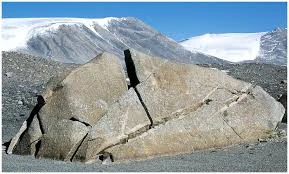
Weathering is the process by which rocks and minerals are broken down into smaller particles at or near the Earth’s surface. This breakdown can occur through physical, chemical and biological processes. Weathering is a fundamental step in the formation of soil and contributes to the continuing change of the Earth’s land surface.
What are the types of weathering?
- Mechanical weathering: This process breaks down rocks into smaller particles without changing their chemical composition. It occurs through physical forces like temperature changes, frost action, wind, water and abrasion.
- Chemical weathering: This is the process by which rocks and minerals are broken down through chemical reactions, altering their composition. Agents such as water, acids, oxygen and organic substances can contribute to chemical weathering.
- Biological weathering: This is the breaking down of rocks through the influence of living organisms. Plants, fungi, bacteria and animals contribute to this process by physically or chemically altering the rock. For instance, plant roots may penetrate cracks in rocks and cause them to break apart, while certain organisms release acids that contribute to chemical weathering.
What are the processes of weathering?
- Initiation: Weathering begins when rocks are exposed to environmental conditions. This can result from natural processes like uplift, erosion or human activities.
- Breakdown: Rocks undergo physical, chemical or biological processes that lead to their breakdown into smaller particles.
- Transportation: Weathered material may be transported by agents like wind, water or ice, moving it away from its original location.
- Deposition: The transported material is deposited when the transporting agents lose their energy. This can lead to the accumulation of sediments in new locations.
- Soil formation: The accumulated weathered material, combined with organic matter, contributes to the development of soil, supporting plant growth and other ecosystem functions.
What are the effects of weathering on soil formation?
- Weathering breaks down minerals in rocks into smaller particles. This mineral breakdown contributes to the mineral content of soils.
- Weathering processes influence soil texture by determining the proportions of sand, silt and clay particles.
- Chemical weathering releases nutrients from minerals, making them available for plant uptake.
- Chemical weathering can alter the pH of the soil. For example, the breakdown of limestone can lead to the release of calcium carbonate, affecting soil alkalinity.
- Weathered material combines with organic matter derived from decaying plants and animals, which helps the development of humus in the soil.
What is the impact of weathering on farming?
- Weathering processes contribute to the release of essential nutrients, promoting soil fertility.
- Soil structure influenced by weathering affects water retention. Well-structured soils retain water effectively, providing a consistent water supply for crops.
- Weathering releases nutrients from minerals, ensuring a continuous supply of essential elements for plant growth.
- Intense weathering may lead to soil erosion if not managed properly.
- Farmers may need to manage soil pH based on the effects of weathering. Adding amendments can help neutralise acidity or alkalinity, creating an optimal pH for specific crops.
Evaluation
- What is weathering?
- Mention and discuss the three types of weathering.
- Describe the processes of weathering.
- Mention five effects of weathering on soil formation.
Classwork
As in evaluation.
Assignment
Explain three ways in which weathering affects farming.
Conclusion
The teacher commends the students.
This term's Geography topics
SS3 First Term · 10 topics
Get Geography as PDF and Word
Every week of SS3 Geography, First Term, formatted and ready to print. Ad-free, and the copy lock comes off.
Get this term Card, bank transfer, USSD or OPay
SS3 Geography Lesson Notes for Other Topics

Volcanicity
Read the full lesson note.

Karst (Limestone) Topography
Read the full lesson note.

Denudational Processes
Read the full lesson note.

Mass Movements
Read the full lesson note.

Climatic Change
Read the full lesson note.

ECOWAS
Read the full lesson note.

World Trade
Read the full lesson note.

Tourism
Read the full lesson note.

Satellite Remote Sensing
Read the full lesson note.

GIS Application
Read the full lesson note.

Bush Fallowing in West Africa
Read the full lesson note.

Mining in Africa (Copper, Gold, and Petroleum)
Read the full lesson note.

Principle of Elementary Surveying
Read the full lesson note.

Representation of Relief Form
Read the full lesson note.

Map Readings
Read the full lesson note.
Lesson Notes for Other Classes

SS1 Lesson Note
The complete lesson note to guide your studies.

SS2 Lesson Note
The complete lesson note to guide your studies.
