
Reproductive Health – SS2 Biology Lesson Note (First Term)
Download this term · ₦1,000Lesson note at a glance
- Subject
- Biology
- Class
- SS2
- Term
- First Term
- Topic
- Reproductive Health
- Order
- Topic 3 of 9 this term
- Reading time
- 5 min
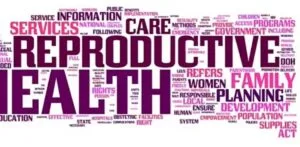
Reproductive health is a state of complete physical, mental and social well-being in all matters relating to the reproductive system.
- Genetic counselling: advice that helps people understand inherited conditions before, during and after reproduction.
- Safe breastfeeding: feeding a baby with breast milk in a healthy and correct way.
Behavioural objectives
By the end of the lesson, students should be able to:
- define reproductive health;
- explain what genetic counselling is and when it can be given;
- state the purpose of a genotype test before marriage;
- list the advantages of breastfeeding to the mother and the baby;
- correct common myths about breastfeeding.
What is reproductive health?
Reproductive health is a state of complete physical, mental and social well-being in all matters relating to reproduction and the reproductive organs.
- Meaning: it covers more than the absence of disease or weakness in the reproductive system.
- Genetic counselling: protects the health of couples and their future children.
- Safe breastfeeding: protects the health of the mother and the baby after birth.
- Other practices: personal hygiene, antenatal care and avoiding sexually transmitted infections also protect reproductive health.
What is genetic counselling?
Genetic counselling is the process of advising individuals and families affected by, or at risk of, genetic disorders.
- Aim: to help them understand and adapt to the medical, psychological and family effects of inherited disease.
- Focus: it explains how birth defects, genes and medical conditions run in families.
What are genetics and heredity?
Genetics is the study of heredity and variation in living things.
- Genetic material: every living thing contains genetic material made up of DNA molecules.
- Passing on: this material is passed on when organisms reproduce.
- Heredity: the process by which certain genes pass from parents to children.
- Resemblance: children often look like their parents or grandparents because of the genes they inherit.
When can genetic counselling be given?
Genetic counselling can be given before, during and after reproduction, and at every stage of life from pregnancy to adulthood.
- Before pregnancy: deals with factors that might affect the baby in infancy or childhood, or the ability to become pregnant at all.
- During pregnancy: advises parents on risks to the baby that is developing.
- After birth: helps the family understand and manage an inherited condition found in the child.
Why is a genotype test done before marriage?
A genotype test is done before marriage to find out a couple’s genetic compatibility and avoid health problems in their children.
- Who is advised: any two people who plan to marry.
- Purpose: to avoid health complications, especially where pregnancy is concerned.
- Reason: certain genotype groups should not have a baby together.
- Common genotypes: AA, AS, SS and AC.
- Sickle cell disease: a child with genotype SS has sickle cell disease.
What are the chances of sickle cell disease in a child?
The chance of a child having genotype SS depends on the genotypes of both parents.
| Parents’ genotypes | Chance of an SS child | Advice |
|---|---|---|
| AA and AA | None | Safe |
| AA and AS | None | Safe, but some children will be carriers (AS) |
| AS and AS | 1 in 4 (25%) in each pregnancy | High risk, seek counselling |
| AS and SS | 1 in 2 (50%) in each pregnancy | Very high risk, seek counselling |
| SS and SS | All children | Very high risk, seek counselling |
What is breastfeeding?
Breastfeeding, also called nursing, is the feeding of babies and young children with milk from a woman’s breast.
- Nutrients: breast milk contains many nutrients needed for the survival of an infant.
- First milk: the thick yellowish milk produced in the first days after birth is called colostrum and is rich in antibodies.
What are the advantages of breastfeeding?
Breastfeeding benefits both the baby and the mother.
Advantages to the baby
- Ideal nutrition: breast milk has everything the baby needs for the first six months, in the right proportions.
- Continued feeding: breastfeeding is recommended for at least one year, while other foods are added to the diet.
- Protection: breast milk is loaded with antibodies that help the baby fight viruses and bacteria.
- Brain development: some studies show that nutrients in breast milk improve the baby’s cognitive development.
- Fewer illnesses: breastfeeding may reduce the baby’s risk of several illnesses and diseases.
Advantages to the mother
- Bonding: close contact during feeding strengthens the bond between mother and baby.
- Low cost: breast milk is free, always available and at the right temperature.
- Recovery: breastfeeding helps the womb return to its normal size after birth.
What are the common myths about breastfeeding?
Myths about breastfeeding are false beliefs that have affected how some women feed their babies.
| Myth | Fact |
|---|---|
| Small breasts will not make enough milk. | Milk production depends on breast tissue (milk-producing cells). Breast size is determined by fat, which has no bearing on milk production. |
| Medications cannot be taken while breastfeeding. | Several drugs are compatible with nursing. A mother should take them on the doctor’s advice. |
| It is normal for breastfeeding to hurt, and sore nipples are inevitable. | Soreness is common, but it is not normal and can be avoided. |
- Advice: a mother should consult a health professional whenever she is unsure about breastfeeding.
Evaluation
- Define reproductive health.
- What is genetic counselling, and at what stages of reproduction can it be given?
- Why are couples advised to take a genotype test before marriage?
- State four advantages of breastfeeding.
- What determines a woman’s ability to produce milk: the size of her breasts or her breast tissue? Correct one other breastfeeding myth.
Assignment
- Explain how genetics accounts for the resemblance between children and their parents.
This term's Biology topics
SS2 First Term · 9 topics
Get Biology as PDF and Word
Every week of SS2 Biology, First Term, formatted and ready to print. Ad-free, and the copy lock comes off.
Get this term Card, bank transfer, USSD or OPay
SS2 Biology Lesson Notes for Other Topics
Reproduction - Asexual Reproduction
Read the full lesson note.
Reproduction II - Sexual Reproduction
Read the full lesson note.
Cellular Respiration
Read the full lesson note.

Respiratory System
Read the full lesson note.

Excretory System
Read the full lesson note.
Tissues And Supporting Systems In Animals
Read the full lesson note.

Supporting Tissues In Plants
Read the full lesson note.
Joints
Read the full lesson note.
Digestive System
Read the full lesson note.
Transport System
Read the full lesson note.

Circulatory System In Mammals
Read the full lesson note.

Mechanism Of Transportation In Higher Mammals
Read the full lesson note.
Cell Division
Read the full lesson note.
Reproductive System In Vertebrates
Read the full lesson note.
Reproductive System In Flowering Plants
Read the full lesson note.
Lesson Notes for Other Classes

SS1 Lesson Note
The complete lesson note to guide your studies.

SS3 Lesson Note
The complete lesson note to guide your studies.
