The Nature of Nigerian Nationalism: The Struggle for Independence – JSS3 Nigerian History Lesson Note (Third Term)
Download Lesson NoteTopic: The Nature Of Nigerian Nationalism: The Struggle For Independence
Lesson note at a glance
- Subject
- Nigerian History
- Class
- JSS3
- Term
- Third Term
- Topic
- The Nature of Nigerian Nationalism: The Struggle for Independence
- Order
- Topic 6 of 10 this term
- Reading time
- 5 min
Nigerian nationalism was the movement of Nigerian people wanting to rule their own land instead of being ruled by Britain. This movement grew over many years and finally led to Nigeria becoming a free country on October 1, 1960. The journey to freedom was long and had many challenges, but the Nigerian people never gave up their dream of independence.
The Beginning of British Rule
How the British Came to Nigeria
The British first came to Nigeria to trade. They bought and sold goods like palm oil and later, they wanted to stop the slave trade. By the late 1800s, they began to take control of Nigerian lands. By 1914, all of what we now call Nigeria was under British rule. This was called colonization.
Life Under Colonial Rule
Under British rule, Nigerians had very little power in their own land. The British:
- Made all the important decisions
- Collected taxes from Nigerians
- Controlled trade and business
- Changed traditional ways of ruling
- Treated Nigerians as less important than British people
Nigerians could not vote for their leaders. They had to follow British laws. Many felt like strangers in their own land.
Early Signs of Nationalism
The First Protests
As early as the late 1800s, some Nigerians began to speak out against British rule. In Lagos, newspapers like the Lagos Weekly Record started to question British policies. Religious leaders also began to create churches that were not controlled by European missionaries.
Education and New Ideas
Some Nigerians got the chance to study abroad in places like Britain and America. When they came back, they brought new ideas about freedom and equal rights. These educated Nigerians became the first leaders of the nationalist movement. They started asking why Nigerians couldn’t rule themselves like the British ruled their own country.
Growth of Nigerian Nationalism
Important Early Groups
In the 1920s and 1930s, several groups formed to fight for better treatment of Nigerians:
- The Nigerian National Democratic Party (1923)
- The Nigerian Youth Movement (1934)
- The West African Students’ Union
These groups held meetings, wrote to newspapers, and asked the British for more rights for Nigerians.
The Impact of World War II
When World War II (1939-1945) ended, Nigerian nationalism grew stronger. Many Nigerians had fought in the war for Britain against countries that wanted to take over other places. They thought: “If we fought for freedom for others, why can’t we have freedom too?” After the war, people around the world started saying that colonialism was wrong.
Key Leaders of Nigerian Nationalism
Nnamdi Azikiwe
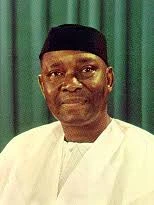
Nnamdi Azikiwe (often called “Zik”) was one of the most important nationalist leaders. He:
- Started newspapers that spoke out against British rule
- Founded the National Council of Nigeria and the Cameroons (NCNC) in 1944
- Later became the first Nigerian President after independence
Obafemi Awolowo
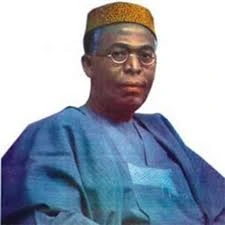
Obafemi Awolowo was another key leader who:
- Started the Action Group party in 1951
- Fought for a federal system where different regions would have some powers
- Worked for free education and better lives for ordinary people
Herbert Macaulay
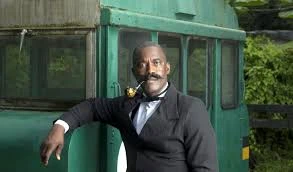
Herbert Macaulay is often called the “Father of Nigerian Nationalism” because he:
- Was one of the first to organize political protests against the British
- Founded the Nigerian National Democratic Party
- Mentored younger nationalists like Azikiwe
Methods Used in the Struggle
Peaceful Protests
Most Nigerian nationalists used peaceful methods to fight for independence:
- Writing articles in newspapers
- Holding public meetings and rallies
- Sending letters and petitions to the British government
- Creating political parties
- Going on strikes
Unity Across Different Groups
Nigeria has many different ethnic groups with different languages and customs. Nationalist leaders worked hard to bring these groups together to fight for the common goal of independence. They said: “We are all Nigerians first.”
Stages of the Independence Struggle
Constitutional Changes
The British slowly gave Nigerians more power through new constitutions:
- Richards Constitution (1946) – allowed Nigerians to be in regional councils
- Macpherson Constitution (1951) – gave more power to regional governments
- Lyttleton Constitution (1954) – created a federal system with more Nigerian leaders
Regional Self-Government
By 1957, the Western and Eastern Regions of Nigeria had self-government, meaning they could handle their own affairs. The Northern Region got self-government in 1959.
The Final Push for Independence
In the late 1950s, Nigerian leaders met with the British in London to talk about full independence. After much discussion, the British agreed to give Nigeria independence on October 1, 1960.
Challenges During the Struggle
Ethnic Differences
Nigeria has over 250 ethnic groups. Sometimes these groups had different ideas about how an independent Nigeria should be run. Leaders had to work hard to keep everyone united.
Regional Rivalries
The three main regions of Nigeria (North, West, and East) sometimes competed with each other. The North was mostly Hausa-Fulani and Muslim. The West was mostly Yoruba, and the East was mostly Igbo. Each wanted to make sure they would have power after independence.
British Resistance
At first, the British did not want to give up control of Nigeria. They said Nigerians were not ready to rule themselves. Nationalists had to prove this was not true.
Independence Day and After
The Big Day
On October 1, 1960, Nigeria became an independent country. The British flag came down, and the new green-white-green Nigerian flag went up. People celebrated in the streets. Tafawa Balewa became the first Prime Minister, and Nnamdi Azikiwe became the Governor-General (and later President).
New Challenges
After independence, Nigeria faced many challenges:
- Building a unified nation from many different ethnic groups
- Creating a strong economy
- Developing education, healthcare, and other services
- Learning how to govern a large country
The Legacy of Nigerian Nationalism
Pride in Nigerian Identity
The nationalist movement helped create a sense of being Nigerian, not just Igbo, Yoruba, Hausa, or other ethnic groups. This new national identity was important for the new country.
Lessons for Future Generations
The struggle for independence showed that:
- Unity is important for achieving big goals
- Peaceful methods can bring about change
- Education is a powerful tool for freedom
- Ordinary people can change history when they work together
Conclusion
Nigerian nationalism grew from small protests to a powerful movement that won independence from British rule. The struggle was long and difficult, but Nigerian leaders and ordinary people never gave up. Their efforts created the free Nigeria we know today. The story of Nigerian nationalism reminds us that people who want freedom and are willing to work together can overcome even the strongest powers.
This term's Nigerian History topics
JSS3 Third Term · 10 topics
- The Amalgamation of Nigeria
- The Amalgamation Process
- Key Personalities and Their Roles in the Amalgamation of Nigerian Territories
- The Independence Movement
- Factors That Led to the Independence Movement
- The Nature of Nigerian Nationalism: The Struggle for Independence
- The Attainment of Independence
- The Berlin Treaty (Continuation of the Evolution of the Nigerian State)
- The Role of the Royal Niger Company in the Evolution of the Nigerian State
- People Involved in the Struggle for Nigerian Independence
Third Term Nigerian History Lesson Notes for Other Topics
History Of Lagos State III - Division of Lagos State
Read the full lesson note.
History Of Lagos State IV - Governors of Lagos State Since Creation
Read the full lesson note.
Major Title -Holders In The State: Idejo Chief, White Cap Chief
Read the full lesson note.
History Of Lagos State II
Read the full lesson note.
History Of Lagos State
Read the full lesson note.

Adjective And Adverb Puzzles
Read the full lesson note.

Nigerian Independence Republic And Federation
Read the full lesson note.
Christianity In Nigeria
Read the full lesson note.
Traditional Occupations In The Locality-Lagos State
Read the full lesson note.
Traditional Occupations Of Nigerian People Northern Nigeria
Read the full lesson note.

Traditional Religion In Nigeria
Read the full lesson note.
Islam In Nigeria
Read the full lesson note.
Traditional Occupations Of Nigerian People Southern Nigeria
Read the full lesson note.

Nigerian Independence
Read the full lesson note.
Heroes in Nigeria Environment
Read the full lesson note.
Lesson Notes for Other Classes

Basic 1 Lesson Note
The complete lesson note to guide your studies.

Basic 2 Lesson Note
The complete lesson note to guide your studies.

Basic 3 Lesson Note
The complete lesson note to guide your studies.
Basic 4 Lesson Note
The complete lesson note to guide your studies.

Basic 5 Lesson Note
The complete lesson note to guide your studies.

Basic 6 Lesson Note
The complete lesson note to guide your studies.