
Nigerian Independence Basic 5 Nigerian History Lesson Note
Download Lesson NoteTopic: Nigerian Independence

Learning Objectives
By the end of the lesson, pupils should be able to:
- Explain independence
- Mention the country that gave Nigeria her independence
- Give the date and year of Nigeria’s independence
- Examine the key people that participated in Nigeria’s independence celebrations
- Write the venue of Nigeria’s independence celebration
- Relate the process of Nigeria’s independence on October 1st, 1960 and the impacts on Nigeria
What is Independence?
Independence means freedom from the control of another country. It is when a country becomes free to govern itself without interference from foreign powers.
For Nigeria, independence meant:
- Freedom from British colonial rule
- The right to make our own laws
- Control over our natural resources
- The ability to choose our own leaders
- Management of our own affairs
Nigeria’s Independence Details
Date and Year of Independence
October 1st, 1960 – This is Nigeria’s Independence Day, which we celebrate every year as our National Day.
Country that Gave Nigeria Independence
Great Britain (United Kingdom) – Nigeria was a British colony for many years before gaining independence.
Duration of Colonial Rule
Nigeria was under British rule for about 60 years (1900-1960) before gaining independence.
Key People at Nigeria’s Independence Celebration
Nigerian Leaders
1. Dr. Nnamdi Azikiwe
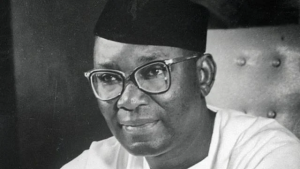
- Role: Governor-General of Nigeria (first indigenous Governor-General)
- Background: Known as “Zik of Africa”
- Contribution: Great nationalist leader and first President of Nigeria (1963)
2. Alhaji Sir Abubakar Tafawa Balewa

- Role: First Prime Minister of Nigeria
- Background: From Bauchi State, Northern Nigeria
- Contribution: Led the government at independence and was head of government
3. Chief Obafemi Awolowo
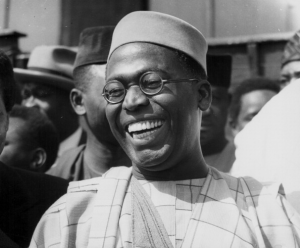
- Role: Leader of Opposition and Premier of Western Region
- Background: Great politician and nationalist from Yorubaland
- Contribution: Played important role in independence struggle
4. Sir Ahmadu Bello (Sardauna of Sokoto)
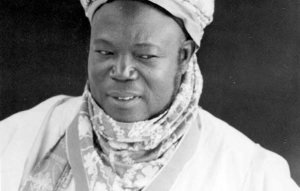
- Role: Premier of Northern Region
- Background: Traditional and political leader
- Contribution: Key figure in northern Nigeria politics
British Representatives
5. Princess Alexandra of England
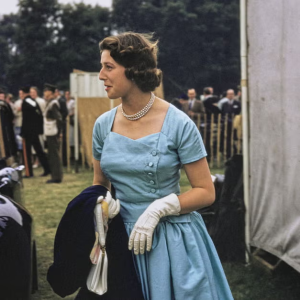
- Role: Representative of Queen Elizabeth II
- Background: Cousin of Queen Elizabeth II
- Contribution: She represented the British Royal Family at the ceremony and officially handed over power to Nigerian leaders
6. Sir James Robertson
- Role: Last British Governor-General of Nigeria
- Background: British colonial administrator
- Contribution: He formally transferred power from Britain to Nigeria
Venue of Independence Celebration
Race Course Ground, Lagos (now called Tafawa Balewa Square)
Location Details:
- Located on Lagos Island
- Large open ground suitable for big ceremonies
- Could accommodate thousands of people
- Central location in the then capital city (Lagos)
- Now renamed Tafawa Balewa Square in honor of Nigeria’s first Prime Minister
Process of Nigerian Independence on October 1st, 1960
Events Leading to the Day
- Preparation: Months of planning for the ceremony
- Invitation: World leaders and dignitaries were invited
- Decoration: Lagos was beautifully decorated with Nigerian colors (green and white)
- Security: Special arrangements were made for safety
Events on October 1st, 1960
Midnight Ceremony (11:59 PM – 12:00 AM)
- 11:59 PM: The British Union Jack flag was lowered
- 12:00 AM (Midnight): The Nigerian flag (green-white-green) was raised for the first time
- Princess Alexandra officially handed over the instruments of independence
- Dr. Nnamdi Azikiwe received the constitutional documents
Day Ceremony
- Morning: Official independence ceremony at Race Course Ground
- Speeches: Prime Minister Tafawa Balewa and other leaders gave speeches
- Parade: Military parade showcasing Nigerian forces
- Cultural Display: Traditional dances and performances from all regions
- Celebration: Thousands of Nigerians celebrated with joy
Key Moment
- The Nigerian National Anthem was sung for the first time as a free nation
- The Nigerian flag flew proudly over the country
- Nigeria officially became the Federal Republic of Nigeria
Impact of Independence on Nigerians
Positive Impacts
Political Impact
- Nigerians could now elect their own leaders
- Creation of Nigerian government institutions
- Nigerian laws replaced colonial laws
- Development of Nigerian Constitution
Economic Impact
- Control over natural resources (oil, cocoa, groundnuts, etc.)
- Nigerian currency and economic policies
- Local businesses could grow freely
- Trade partnerships with other countries
Social Impact
- Pride and Identity: Nigerians felt proud to be citizens of their own country
- Unity: People from different ethnic groups came together as Nigerians
- Cultural Freedom: Nigerian cultures and traditions were celebrated
- Education: More schools were built, and education improved
International Impact
- Nigeria joined the United Nations
- Nigeria became a member of the Commonwealth
- Diplomatic relations with other countries
- Nigeria’s voice in international affairs
Challenges After Independence
Unity Problems
- Different ethnic groups had conflicts
- Competition between regions
- Language barriers (over 250 languages spoken)
Economic Challenges
- Need to develop infrastructure (roads, hospitals, schools)
- Dependence on agriculture and raw materials
- Limited industrialization
Political Issues
- Learning to manage democratic government
- Balancing power between different regions
- Building strong institutions
Significance of October 1st
Why We Celebrate
- Remembrance: We remember the struggle for freedom
- Appreciation: We appreciate the sacrifices of our founding fathers
- Unity: We come together as one Nigeria
- Progress: We reflect on our achievements and challenges
- Future: We plan for a better Nigeria
How We Celebrate Today
- National Holiday: Schools and offices are closed
- Flag Ceremonies: Nigerian flag is raised in schools and public places
- Parades: Military and civilian parades in major cities
- Speeches: Leaders address the nation
- Cultural Shows: Display of Nigerian cultures and traditions
Conclusion
Nigerian independence on October 1st, 1960, was a historic moment that marked the beginning of self-governance. The ceremony at Race Course Ground, Lagos, brought together Nigerian and British leaders to peacefully transfer power. This event gave Nigerians the opportunity to control their destiny, though it also came with great responsibilities and challenges.
The legacy of independence continues today as Nigeria strives to fulfill the dreams of unity, progress, and prosperity that our founding fathers envisioned.
Class Activities
Discussion Questions
- Why is independence important for any country?
- What role did Princess Alexandra play in Nigeria’s independence?
- How do you think Nigerians felt on October 1st, 1960?
- What are some ways we can show patriotism today?
Assignment
- Draw the Nigerian flag and write three things you are proud of about Nigeria
- Interview an elderly person in your community about how they celebrated independence or what they know about it
- List five ways Nigeria has changed since independence
Third Term Nigerian History Lesson Notes for Other Topics

History Of Lagos State III - Division of Lagos State
Explore lesson notes covering all topics.

History Of Lagos State IV - Governors of Lagos State Since Creation
Explore lesson notes covering all topics.

Major Title -Holders In The State: Idejo Chief, White Cap Chief
Explore lesson notes covering all topics.

History Of Lagos State II
Explore lesson notes covering all topics.

History Of Lagos State
Explore lesson notes covering all topics.

Adjective And Adverb Puzzles
Explore lesson notes covering all topics.

Nigerian Independence Republic And Federation
Explore lesson notes covering all topics.

Christianity In Nigeria
Explore lesson notes covering all topics.

Traditional Occupations In The Locality-Lagos State
Explore lesson notes covering all topics.

Traditional Occupations Of Nigerian People Northern Nigeria
Explore lesson notes covering all topics.

Traditional Religion In Nigeria
Explore lesson notes covering all topics.

Traditional Occupations Of Nigerian People Southern Nigeria
Explore lesson notes covering all topics.

Islam In Nigeria
Explore lesson notes covering all topics.

Heroes in Nigeria Environment
Explore lesson notes covering all topics.
Heroines in Nigeria
Explore lesson notes covering all topics.
Lesson Notes for Other Classes
Basic 1 Lesson Note
The complete lesson note to guide your studies.

Basic 2 Lesson Note
The complete lesson note to guide your studies.

Basic 3 Lesson Note
The complete lesson note to guide your studies.

Basic 4 Lesson Note
The complete lesson note to guide your studies.

Basic 6 Lesson Note
The complete lesson note to guide your studies.

JSS1 Lesson Note
The complete lesson note to guide your studies.