
Traditional Occupations In The Locality-Lagos State Basic 5 Nigerian History Lesson Note
Download Lesson NoteTopic: Traditional Occupations In The Locality-Lagos State

Learning Objectives
By the end of this lesson, pupils should be able to:
- Explain the meaning of occupation
- Give the meaning of traditional occupation
- Mention notable traditional occupations in Lagos State
- Examine the importance of traditional occupation in Lagos state
- Relate the intergroup relations created by these occupations
What is an Occupation?
An occupation is the work or job that a person does to earn money and make a living. It is how people spend their time working to provide for themselves and their families.
What are Traditional Occupations?
Traditional occupations are jobs that have been practiced by people in a community for many years, passed down from parents to children through generations. These jobs use local skills, materials, and knowledge that have been part of the culture for a long time.
10 Notable Traditional Occupations in Lagos State
1. Fishing

People catch fish from Lagos lagoon, rivers, and the Atlantic Ocean using nets, hooks, and boats.
2. Trading
Buying and selling goods in markets like Balogun Market, Alaba Market, and local community markets.
3. Farming

Growing crops like cassava, yam, plantain, and vegetables in areas like Badagry and Epe.
4. Blacksmithing
Making tools, knives, and farm equipment from iron and metal.
5. Pottery

Making clay pots, water containers, and cooking utensils from local clay.
6. Weaving
Creating traditional cloth, mats, and baskets using local materials like palm fronds and cotton.
7. Salt Making
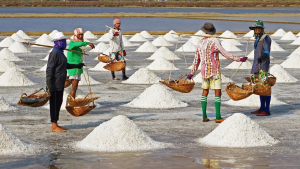
Extracting salt from seawater along the coastal areas of Lagos.
8. Canoe Making
Building boats and canoes for fishing and transportation on water.
9. Palm Wine Tapping

Collecting palm wine from palm trees to sell as a local drink.
10. Traditional Medicine
Using local herbs and plants to treat illnesses and prepare traditional remedies.
Importance of Traditional Occupations in Lagos State
Economic Benefits
- Provide income and livelihood for many families
- Create jobs for community members
- Support local economy through trade and commerce
Cultural Preservation
- Keep Lagos traditions and customs alive
- Pass down important skills to younger generations
- Maintain connection to ancestral heritage
Food Security
- Fishing and farming provide food for the community
- Reduce dependence on imported goods
- Ensure fresh, local produce is available
Social Identity
- Give people a sense of belonging and purpose
- Create community pride and unity
- Maintain unique Lagos cultural identity
Intergroup Relations Created by Traditional Occupations
Traditional occupations in Lagos State create important connections between different groups of people:
Trade Relationships
- Fishermen sell fish to traders in the markets
- Farmers supply vegetables to market women
- Blacksmiths make tools for farmers and fishermen
Marriage Connections
- People from different occupational groups often marry each other
- Fishing families may marry into farming families
- This creates stronger community bonds
Festival Cooperation
- Different occupational groups work together during festivals
- Fishermen, farmers, and traders all participate in Eyo Festival
- They share responsibilities for community celebrations
Skill Exchange
- Young people learn different skills from various groups
- A farmer’s child might also learn fishing
- This creates understanding between different occupations
Community Support
- During difficult times, different groups help each other
- If fishing is poor, fishermen may help with farming
- Market traders support both farmers and fishermen by buying their products
Summary
Traditional occupations in Lagos State are important jobs that have been practiced for generations. They include fishing, trading, farming, and many crafts. These occupations not only provide income but also preserve culture, ensure food security, and create strong relationships between different groups in the community. Understanding these traditional jobs helps us appreciate our heritage and the foundation of modern Lagos State.
Third Term Nigerian History Lesson Notes for Other Topics

History Of Lagos State III - Division of Lagos State
Explore lesson notes covering all topics.

History Of Lagos State IV - Governors of Lagos State Since Creation
Explore lesson notes covering all topics.

Major Title -Holders In The State: Idejo Chief, White Cap Chief
Explore lesson notes covering all topics.

History Of Lagos State II
Explore lesson notes covering all topics.

History Of Lagos State
Explore lesson notes covering all topics.

Adjective And Adverb Puzzles
Explore lesson notes covering all topics.

Nigerian Independence Republic And Federation
Explore lesson notes covering all topics.

Christianity In Nigeria
Explore lesson notes covering all topics.

Traditional Occupations Of Nigerian People Northern Nigeria
Explore lesson notes covering all topics.

Traditional Religion In Nigeria
Explore lesson notes covering all topics.

Islam In Nigeria
Explore lesson notes covering all topics.

Traditional Occupations Of Nigerian People Southern Nigeria
Explore lesson notes covering all topics.
Nigerian Independence
Explore lesson notes covering all topics.

Heroes in Nigeria Environment
Explore lesson notes covering all topics.
Heroines in Nigeria
Explore lesson notes covering all topics.
Lesson Notes for Other Classes

Basic 1 Lesson Note
The complete lesson note to guide your studies.

Basic 2 Lesson Note
The complete lesson note to guide your studies.

Basic 3 Lesson Note
The complete lesson note to guide your studies.

Basic 4 Lesson Note
The complete lesson note to guide your studies.

Basic 6 Lesson Note
The complete lesson note to guide your studies.

JSS1 Lesson Note
The complete lesson note to guide your studies.