
Traditional Religion In Nigeria Basic 5 Nigerian History Lesson Note
Download Lesson NoteTopic: Traditional Religion In Nigeria
Learning Objectives
By the end of the lesson, pupils should be able to:
- Explain the meaning of religion
- Give the meaning of traditional religion
- Write the types of traditional religions practiced in Lagos State
- Examine the importance of traditional religions in Nigeria
- Debate on the limitations of traditional religions in society
What is Religion?
Meaning of Religion
Religion is the belief in and worship of a supreme being or supernatural powers. It involves:
- Belief in God or gods
- Worship and prayers
- Moral teachings about right and wrong
- Ceremonies and rituals
- Community of believers
- Sacred places and objects
Examples of Religion

- Christianity
- Islam
- Traditional African Religion
- Hinduism
- Buddhism
Why People Practice Religion
- Spiritual Connection: To connect with God or spiritual forces
- Guidance: To receive direction for daily living
- Community: To belong to a group of believers
- Comfort: To find peace during difficult times
- Moral Values: To learn right from wrong
What is Traditional Religion?
Meaning of Traditional Religion
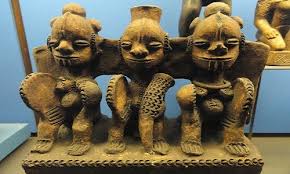
Traditional Religion refers to the religious beliefs and practices that have been passed down from ancestors to their descendants over many generations. In Nigeria, these are the original religious systems that existed before the arrival of Christianity and Islam.
Key Features of Traditional Religion
- Ancestral Origin: Beliefs inherited from forefathers
- Cultural Connection: Closely linked to local customs and traditions
- Nature-Based: Often involves worship of natural forces
- Oral Tradition: Passed down through stories, songs, and rituals
- Community-Centered: Practiced by specific ethnic groups or communities
Other Names for Traditional Religion
- African Traditional Religion (ATR)
- Indigenous Religion
- Ancestral Religion
- Native Religion
Types of Traditional Religions Practiced in Lagos State
Lagos State, being predominantly Yoruba, has various traditional deities and religious practices. Here are the major ones:
1. Ogun (God of Iron and War)

What Ogun Represents:
- God of iron, metal, and technology
- Protector of hunters, farmers, and warriors
- Patron of blacksmiths and all who work with metal
Worship Practices:
- Offerings of palm wine, kola nuts, and dogs
- Use of iron objects in worship
- Prayers for protection and success in work
- Annual festivals with dancing and drumming
Sacred Places:
- Ogun shrines with iron objects
- Sacred groves and forests
- Blacksmith workshops
2. Sango (God of Thunder and Lightning)

What Sango Represents:
- God of thunder, lightning, and fire
- Symbol of justice and power
- Former king of the Oyo Empire who became a deity
Worship Practices:
- Use of thunder stones (edun ara)
- Red and white clothing during ceremonies
- Dancing to special Sango drums
- Offerings of bitter kola and palm oil
Sacred Objects:
- Double-headed axe (oshe)
- Thunder stones
- Red and white beads
3. Olokun (God of the Sea)
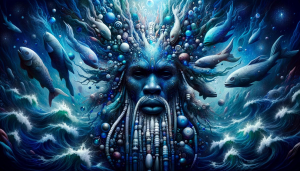
What Olokun Represents:
- Deity of the ocean, sea, and water
- Provider of wealth and prosperity
- Protector of fishermen and traders
Worship Practices:
- Offerings thrown into the sea or rivers
- Use of cowrie shells in worship
- Blue and white clothing
- Prayers for safe travel by water
Sacred Places:
- Beaches and riverbanks
- Olokun shrines near water bodies
- Sacred pools and springs
4. Zangbeto (The Nightwatchman)
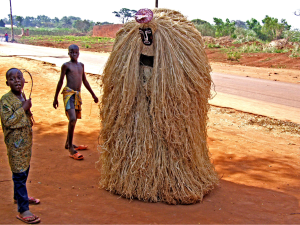
What Zangbeto Represents:
- Traditional security system
- Spiritual police of the community
- Protector against evil and crime
Worship Practices:
- Masquerade performances at night
- Community protection rituals
- Colorful raffia costumes
- Traditional drumming and chanting
Role in Society:
- Maintaining law and order
- Protecting the community from thieves
- Spiritual cleansing of neighborhoods
5. Esu (The Messenger God)
What Esu Represents:
- Messenger between humans and other deities
- God of crossroads and communication
- Trickster figure who tests human character
Worship Practices:
- Offerings at crossroads and market places
- Palm oil, palm wine, and kolanuts as offerings
- Prayers before starting important journeys
- Special ceremonies at market entrances
Sacred Places:
- Crossroads and junctions
- Market entrances
- Esu shrines in homes and communities
6. Osun (Goddess of River and Fertility)
What Osun Represents:
- Goddess of rivers and fresh water
- Protector of women and children
- Provider of fertility and healing
Worship Practices:
- River ceremonies and festivals
- Yellow and gold clothing
- Honey and perfume offerings
- Prayers for childbearing and healing
7. Oya (Goddess of Wind and Storm)
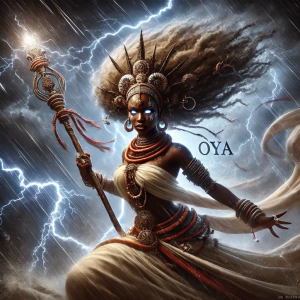
What Oya Represents:
- Goddess of winds, storms, and change
- Guardian of the marketplace
- Protector of women’s rights
Worship Practices:
- Purple and maroon clothing
- Copper jewelry and ornaments
- Dancing with flowing fabrics
- Prayers during storms and changes
8. Obatala (Creator Deity)
What Obatala Represents:
- Creator of human beings
- God of purity and wisdom
- Father of all other deities
Worship Practices:
- All-white clothing and decorations
- Offerings of white foods (rice, milk, coconut)
- Peaceful and gentle ceremonies
- Prayers for wisdom and guidance
Importance of Traditional Religions in Nigeria
1. Cultural Preservation
- Heritage Maintenance: Keeps Nigerian cultures alive
- Identity Formation: Helps people know their roots and origin
- Traditional Knowledge: Preserves ancient wisdom and practices
- Language Preservation: Maintains traditional languages through prayers and songs
2. Social Cohesion and Unity
- Community Bonding: Brings people together during festivals and ceremonies
- Conflict Resolution: Traditional methods of solving disputes
- Mutual Support: Members help each other during difficulties
- Respect for Elders: Maintains traditional authority structures
3. Moral and Ethical Guidance
- Character Building: Teaches honesty, respect, and hard work
- Community Values: Promotes sharing, caring, and cooperation
- Discipline: Provides rules for good behavior
- Responsibility: Teaches duties to family and community
4. Spiritual and Psychological Benefits
- Spiritual Connection: Provides sense of connection to ancestors and deities
- Emotional Support: Offers comfort during times of trouble
- Hope and Faith: Gives people something to believe in
- Mental Peace: Rituals and prayers provide psychological relief
5. Economic Importance
- Tourism: Traditional festivals attract visitors and generate income
- Arts and Crafts: Creates jobs for artists, drummers, and craftsmen
- Agriculture: Traditional ceremonies for good harvests
- Trade: Markets and trading blessed by traditional deities
6. Healthcare and Medicine
- Traditional Medicine: Use of herbs and natural remedies
- Healing Ceremonies: Spiritual healing for various ailments
- Mental Health: Community support for psychological well-being
- Preventive Care: Traditional practices for staying healthy
7. Environmental Conservation
- Sacred Groves: Protection of forests and natural areas
- Water Conservation: Rivers and springs kept clean for worship
- Wildlife Protection: Some animals considered sacred and protected
- Sustainable Practices: Traditional farming methods that protect the environment
Limitations of Traditional Religions in Society
1. Scientific and Medical Limitations
- Limited Medical Knowledge: May not provide proper treatment for serious diseases
- Superstitious Practices: Some practices lack scientific basis
- Delayed Medical Care: People might seek traditional healing instead of modern medicine
- Health Risks: Some traditional practices may be harmful to health
2. Educational and Intellectual Constraints
- Limited Formal Education: May discourage modern education in some cases
- Resistance to Change: May slow down acceptance of new ideas and technology
- Critical Thinking: May discourage questioning of traditional beliefs
- Scientific Progress: May hinder scientific advancement in some areas
3. Social and Gender Issues
- Gender Inequality: Some practices may discriminate against women
- Child Rights: Certain traditional practices may not prioritize children’s rights
- Social Mobility: May limit people’s ability to move beyond traditional roles
- Individual Freedom: May restrict personal choices in favor of community decisions
4. Economic Development Challenges
- Resource Allocation: Money spent on ceremonies could be used for development
- Time Management: Frequent ceremonies may take time away from productive activities
- Investment Priorities: May prioritize spiritual over economic development
- Modern Business Practices: May conflict with modern business methods
5. Integration with Modern Society
- Legal Conflicts: Some traditional practices may conflict with modern laws
- Urban Living: Difficult to practice fully in modern cities
- Globalization: May not fit well with global cultures and practices
- Technology Integration: May struggle to adapt to modern technology
6. Inter-Religious Relations
- Religious Conflicts: May create tension with other religions
- Conversion Issues: People converting to other religions may face challenges
- Misunderstanding: Other religions may not understand traditional practices
- Social Division: May create divisions in communities with multiple religions
Finding Balance: Traditional Religion in Modern Times
Positive Integration
- Cultural Festivals: Celebrating traditional festivals as cultural events
- Art and Music: Using traditional religious art in modern contexts
- Moral Values: Adopting good traditional values in modern life
- Community Spirit: Maintaining traditional community support systems
Modern Adaptations
- Urban Practice: Adapting traditional practices for city life
- Education Integration: Teaching traditional culture in schools
- Tourism Development: Using traditional religion to promote tourism
- Interfaith Dialogue: Promoting understanding between different religions
Conclusion
Traditional religions in Nigeria, particularly in Lagos State, represent an important part of the country’s cultural heritage. While they provide valuable benefits such as cultural identity, community unity, and moral guidance, they also face challenges in modern society.
The key is finding a balance that preserves valuable traditional practices while embracing positive modern developments. Understanding and respecting traditional religions helps us appreciate Nigeria’s rich cultural diversity and promotes harmony among different religious groups.
It is important to remember that all religions, whether traditional, Christian, or Islamic, share common goals of promoting good behavior, community welfare, and spiritual well-being.
Class Activities
Discussion Questions
- How do traditional religions help preserve Nigerian culture?
- What are the similarities between traditional religions and other religions?
- How can traditional practices be adapted for modern times?
- Why is it important to respect all religions?
Group Activities
- Research Project: Each group researches one traditional deity and presents to the class
- Cultural Fair: Display traditional religious artifacts and explain their significance
- Debate: “Traditional religions are still relevant in modern Nigeria” (Pro vs. Con)
- Art Activity: Draw or create models of traditional religious symbols
Field Trip Suggestions
- Visit a traditional shrine or sacred grove (with proper permission and guidance)
- Attend a cultural festival featuring traditional religious practices
- Visit a museum with traditional religious artifacts
Assignment
- Interview an elderly person about traditional religious practices in your family or community
- Write about one traditional festival celebrated in Lagos State
- Compare one traditional deity with similar figures in other religions
- Discuss how traditional values can help solve modern problems
Key Facts to Remember
Major Traditional Deities in Lagos State
- Ogun: God of iron and war
- Sango: God of thunder and lightning
- Olokun: God of the sea
- Zangbeto: The nightwatchman
- Esu: The messenger god
- Osun: Goddess of rivers and fertility
Important Points
- Traditional religion existed before Christianity and Islam
- It is closely connected to Yoruba culture in Lagos State
- Traditional religions provide cultural identity and community unity
- They face challenges in adapting to modern society
- Respect for all religions promotes peace and harmony
Values to Learn
- Respect: For all religious beliefs
- Tolerance: Accepting different practices
- Cultural Pride: Appreciating Nigerian heritage
- Balance: Combining traditional wisdom with modern knowledge
- Unity: Working together despite religious differences
Third Term Nigerian History Lesson Notes for Other Topics

History Of Lagos State III - Division of Lagos State
Explore lesson notes covering all topics.

History Of Lagos State IV - Governors of Lagos State Since Creation
Explore lesson notes covering all topics.

Major Title -Holders In The State: Idejo Chief, White Cap Chief
Explore lesson notes covering all topics.

History Of Lagos State II
Explore lesson notes covering all topics.

History Of Lagos State
Explore lesson notes covering all topics.

Adjective And Adverb Puzzles
Explore lesson notes covering all topics.

Nigerian Independence Republic And Federation
Explore lesson notes covering all topics.

Christianity In Nigeria
Explore lesson notes covering all topics.

Traditional Occupations In The Locality-Lagos State
Explore lesson notes covering all topics.

Traditional Occupations Of Nigerian People Northern Nigeria
Explore lesson notes covering all topics.

Islam In Nigeria
Explore lesson notes covering all topics.

Traditional Occupations Of Nigerian People Southern Nigeria
Explore lesson notes covering all topics.
Nigerian Independence
Explore lesson notes covering all topics.

Heroes in Nigeria Environment
Explore lesson notes covering all topics.
Heroines in Nigeria
Explore lesson notes covering all topics.
Lesson Notes for Other Classes

Basic 2 Lesson Note
The complete lesson note to guide your studies.

Basic 3 Lesson Note
The complete lesson note to guide your studies.

Basic 4 Lesson Note
The complete lesson note to guide your studies.

JSS1 Lesson Note
The complete lesson note to guide your studies.

JSS2 Lesson Note
The complete lesson note to guide your studies.

JSS3 Lesson Note
The complete lesson note to guide your studies.