
Movement – Basic 6 Basic Technology Lesson Note (Second Term)
Download this term · ₦1,000Lesson note at a glance
- Subject
- Basic Technology
- Class
- Basic 6
- Term
- Second Term
- Topic
- Movement
- Order
- Topic 7 of 25 this term
- Reading time
- 1 min
Learning Objectives
By the end of the lesson, pupils should be able to:
- Describe the sun, moon, and Earth
- Appraise the effects of interaction between celestial bodies
- Describe sources of light to Earth
- Compare different light sources and their effects
- Discuss effects of Earth’s movements
Content
The Sun

- Medium-sized star
- Composition: Hydrogen (73%), Helium (25%)
- Surface temp: 5,500°C
- Distance from Earth: 150 million km
- Functions: Light, heat, drives weather, photosynthesis
The Moon
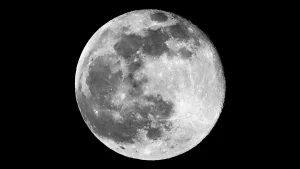
- Earth’s natural satellite
- Diameter: 3,474 km
- Distance: 384,400 km
- No atmosphere or water
- Reflects sunlight
- Phases: New, Crescent, Quarter, Gibbous, Full
The Earth
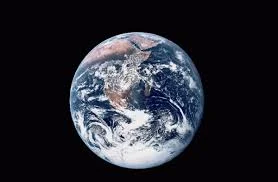
- Third planet from Sun
- Diameter: 12,742 km
- 71% water coverage
- Supports life
- One moon
Interactions:
- Sun’s gravity maintains Earth’s orbit
- Moon’s gravity creates tides
- Eclipses (solar and lunar)
Earth’s Movements
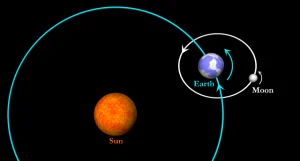
- ROTATION
- Spinning on axis
- 24 hours per rotation
- Creates day and night
- 1,670 km/h at equator
- West to east direction
Effects:
- Day/night cycle
- Apparent star movement
- Coriolis effect
- Time zones
- REVOLUTION
- Orbiting the Sun
- 365.25 days per orbit
- Elliptical path
- 107,000 km/h speed
Effects:
- Seasons (due to 23.5° tilt)
- Day length changes
- Solstices and equinoxes
- Calendar year
Sources of Light
Natural Sources:
- Sun – Primary source
- Stars – Distant suns
- Moon – Reflects sunlight
- Lightning – Electrical discharge
- Fire – Combustion
- Bioluminescence – Fireflies, deep-sea creatures
- Aurora – Solar particles with atmosphere
Artificial Sources:
- Incandescent bulbs
- Fluorescent lights
- LED lights
- Candles
- Torches/Flashlights
- Lasers
Comparison:
- Natural: Free, variable, uncontrollable
- Artificial: Controlled, reliable, costs money
This term's Basic Technology topics
Basic 6 Second Term · 25 topics
- Hockey Game
- Adobe Photoshop
- Weather
- Table Tennis Game
- Adobe Photoshop Cont’d
- Movement
- Maintenance of Sport Facilities and Equipment
- Computer Networks
- Solar System
- Physical Fitness
- Computer Networks Cont’d
Get Basic Technology as PDF and Word
Every week of Basic 6 Basic Technology, Second Term, formatted and ready to print. Ad-free, and the copy lock comes off.
Get this term Card, bank transfer, USSD or OPay
Basic 6 Basic Technology Lesson Notes for Other Topics
Air
Read the full lesson note.
Hockey Game
Read the full lesson note.

Adobe Photoshop
Read the full lesson note.

Weather
Read the full lesson note.

Table Tennis Game
Read the full lesson note.

Adobe Photoshop Cont'd
Read the full lesson note.
Maintenance of Sport Facilities and Equipment
Read the full lesson note.
Computer Networks
Read the full lesson note.
Solar System
Read the full lesson note.
Physical Fitness
Read the full lesson note.

Computer Networks Cont'd
Read the full lesson note.
Colours
Read the full lesson note.
Physical Fitness Cont'd
Read the full lesson note.
Computer Networks Cont'd
Read the full lesson note.
First Elements on Periodic Table
Read the full lesson note.
Lesson Notes for Other Classes

Basic 1 Lesson Note
The complete lesson note to guide your studies.

Basic 2 Lesson Note
The complete lesson note to guide your studies.

Basic 3 Lesson Note
The complete lesson note to guide your studies.

Basic 4 Lesson Note
The complete lesson note to guide your studies.

Basic 5 Lesson Note
The complete lesson note to guide your studies.
