
Maintenance of Sport Facilities and Equipment Basic 6 Basic Technology Lesson Note
Download Lesson NoteTopic: Maintenance of Sport Facilities and Equipment
Learning Objectives
By the end of the lesson, pupils should be able to:
- Differentiate between sports facilities and equipment
- List sports facilities and equipment
- Investigate reasons for keeping/maintaining them
Content
Definitions
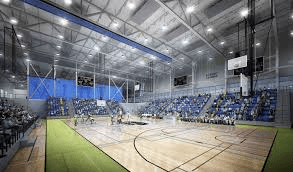
Sports Facilities: Permanent or semi-permanent structures where sports activities take place.
Sports Equipment: Movable items and tools used in playing sports.
Differences:
| Aspect | Facilities | Equipment |
| Nature | Fixed structures | Movable items |
| Size | Large | Relatively small |
| Cost | Expensive | Less expensive |
| Lifespan | Long-term | Shorter term |
| Examples | Stadium, pool | Balls, bats |
List of Sports Facilities
Outdoor Facilities:
- Football/Soccer Field
- Grass or artificial turf
- Goal posts
- Marked lines
- Dimensions: 100-110m × 64-75m
- Basketball Court
- Hard surface
- Hoops and backboards
- Marked lines
- 28m × 15m
- Tennis Court
- Hard/clay/grass surface
- Net
- Marked lines
- 23.77m × 10.97m
- Track and Field
- Running track (400m)
- Field events areas
- Jumping pits
- Throwing areas
- Swimming Pool
- Olympic: 50m × 25m
- Lanes marked
- Depth varies
- Diving boards
Indoor Facilities:
- Sports Hall/Gymnasium
- Multi-purpose indoor space
- Basketball, volleyball, badminton
- Wooden or synthetic floor
- Squash Court
- Enclosed court
- Four walls
- 9.75m × 6.4m
- Table Tennis Hall
- Multiple tables
- Good lighting
- Non-slip floor
- Indoor Swimming Pool
- Climate controlled
- Year-round use
- Changing facilities
Support Facilities:
- Changing rooms/Locker rooms
- Showers and toilets
- First aid room
- Equipment storage
- Spectator seating/stands
- Lighting systems
- Scoreboards
- Parking areas
List of Sports Equipment
Ball Sports Equipment:
- Footballs/Soccer balls
- Basketballs
- Volleyballs
- Tennis balls
- Table tennis balls
- Rugby balls
- Cricket balls
- Hockey balls
Racket Sports Equipment:
- Tennis rackets
- Badminton rackets
- Table tennis bats
- Squash rackets
Athletic Equipment:
- Javelins
- Shot puts
- Discus
- High jump bars
- Hurdles
- Starting blocks
- Relay batons
- Pole vault poles
Team Sports Equipment:
- Goal nets
- Corner flags
- Cones and markers
- Bibs/Practice vests
- Whistles
- Stopwatches
- Score sheets
Protective Equipment:
- Helmets
- Shin guards
- Knee pads
- Elbow pads
- Mouthguards
- Gloves
- Protective eyewear
Training Equipment:
- Agility ladders
- Training cones
- Resistance bands
- Weights and dumbbells
- Skipping ropes
- Medicine balls
- Balance boards
Reasons for Maintaining Sports Facilities and Equipment
- SAFETY REASONS
- Prevents injuries
- Identifies hazards early
- Ensures proper function
- Reduces accidents
- Protects users
Examples:
- Damaged goal posts could fall
- Torn nets could tangle players
- Slippery surfaces cause falls
- Worn equipment breaks during use
- ECONOMIC REASONS
- Extends lifespan
- Saves replacement costs
- Reduces repair expenses
- Maintains investment value
- Prevents complete replacement
Example: Regular field maintenance ($500/year) vs. complete resurfacing ($50,000)
- PERFORMANCE REASONS
- Maintains quality standards
- Ensures optimal playing conditions
- Improves athlete performance
- Provides consistent experience
- Meets competition standards
Examples:
- Well-maintained track improves running times
- Properly inflated balls perform better
- Clean facilities enhance focus
- HYGIENE REASONS
- Prevents disease spread
- Removes bacteria and germs
- Controls odors
- Promotes health
- Attracts users
Examples:
- Cleaned locker rooms prevent infections
- Sanitized equipment reduces illness
- Fresh facilities encourage participation
- AESTHETIC REASONS
- Maintains appearance
- Creates positive impression
- Attracts users
- Shows professionalism
- Increases pride
- LEGAL/COMPLIANCE REASONS
- Meets safety regulations
- Fulfills insurance requirements
- Avoids liability issues
- Complies with standards
- Protects against lawsuits
- FUNCTIONAL REASONS
- Ensures equipment works
- Maintains facility operations
- Prevents breakdowns
- Allows scheduled activities
- Avoids cancellations
Maintenance Procedures
Daily Maintenance:
- Sweep/clean surfaces
- Check for hazards
- Empty trash bins
- Wipe down equipment
- Inspect for damage
- Secure equipment after use
Weekly Maintenance:
- Deep cleaning
- Equipment inspection
- Minor repairs
- Organize storage
- Check safety features
- Lubricate moving parts
Monthly Maintenance:
- Detailed inspection
- Paint touch-ups
- Equipment servicing
- Line remarking
- System checks
- Inventory update
Seasonal/Annual Maintenance:
- Major repairs
- Surface resurfacing
- Equipment replacement
- Structural inspections
- Comprehensive cleaning
- Facility upgrades
Maintenance Best Practices:
For Facilities:
- Regular inspection schedules
- Prompt repair of damage
- Professional servicing
- Weather protection
- Proper drainage
- Surface treatments
- Clear maintenance records
For Equipment:
- Clean after each use
- Proper storage
- Regular inspection
- Timely repairs
- Correct usage
- Inventory management
- Replacement planning
Student Responsibilities:
- Report damage immediately
- Use equipment properly
- Return items to storage
- Follow facility rules
- Respect property
- Participate in cleaning
- Don’t misuse equipment
Second Term Basic Technology Lesson Notes for Other Topics
Games - Basic Skills in Ball Games
Explore lesson notes covering all topics.
Starting Up a Computer
Explore lesson notes covering all topics.

Demonstrating Air in Space
Explore lesson notes covering all topics.
Games (Local Games)
Explore lesson notes covering all topics.

Parts of a Computer (Peripherals)
Explore lesson notes covering all topics.
Air
Explore lesson notes covering all topics.

Starting Up a Computer
Explore lesson notes covering all topics.

Basic Safety for Computers
Explore lesson notes covering all topics.
Safety Rules in Football Games
Explore lesson notes covering all topics.

Light Energy, Uses of Light and Colour
Explore lesson notes covering all topics.

Computer Room
Explore lesson notes covering all topics.
Swimming (Aquatic)
Explore lesson notes covering all topics.
Colour Identification 1 - Colours of Objects
Explore lesson notes covering all topics.

Computer Room
Explore lesson notes covering all topics.

Colour Identification II- Road Traffic Light Signs
Explore lesson notes covering all topics.
Lesson Notes for Other Classes

Basic 1 Lesson Note
The complete lesson note to guide your studies.

Basic 2 Lesson Note
The complete lesson note to guide your studies.

Basic 3 Lesson Note
The complete lesson note to guide your studies.

Basic 4 Lesson Note
The complete lesson note to guide your studies.
Basic 5 Lesson Note
The complete lesson note to guide your studies.

JSS1 Lesson Note
The complete lesson note to guide your studies.