
Family Values And Family Cycle Basic 5 Home Economics Lesson Note
Download Lesson NoteTopic: Family Values And Family Cycle
LEARNING OBJECTIVES
By the end of the lesson, pupils should be able to:
- explain the meaning of family values
- give examples of family values
iii. compare and contrast the stages of family cycle
PREVIOUS KNOWLEDGE
Pupils understand family types and relationships from previous terms.
LESSON CONTENT
A. MEANING OF FAMILY VALUES
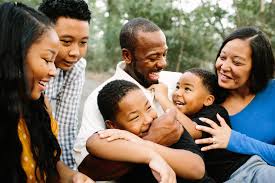
Family values are the beliefs, principles, and standards that guide how family members behave toward each other and society. These values are taught and passed down from parents to children and help shape character and behavior.
B. EXAMPLES OF FAMILY VALUES
- Moral Values
- Honesty – always telling the truth to family members
- Respect – showing regard for elders and all family members
- Responsibility – taking care of duties and obligations
- Kindness – being gentle and caring toward others
- Forgiveness – pardoning mistakes and wrongs
- Social Values
- Love – showing affection and care for family members
- Unity – staying together and supporting each other
- Sharing – giving and receiving from one another
- Cooperation – working together for common goals
- Communication – talking openly and listening to each other
- Cultural Values
- Traditions – keeping and practicing family customs
- Language – preserving native language and communication
- Festivals – celebrating important family and cultural occasions
- Food culture – maintaining traditional cooking and eating habits
- Religious beliefs – practicing and teaching spiritual values
- Educational Values
- Learning – encouraging education and knowledge seeking
- Hard work – teaching the importance of effort and dedication
- Achievement – celebrating success and accomplishments
- Curiosity – encouraging questions and exploration
- Reading – promoting books and learning materials
C. THE FAMILY CYCLE AND ITS STAGES
The family cycle refers to the different stages a family goes through from formation to dissolution. Each stage has its own characteristics and challenges.
- Stage 1: Courtship and Marriage
- Characteristics:
- Young adults meet and fall in love
- They get to know each other’s families
- Wedding ceremonies and celebrations
- Beginning of new family unit
- Duration: Usually 1-3 years
- Main activities: Dating, engagement, wedding planning, adjustment to married life
- Stage 2: Early Parenthood
- Characteristics:
- Birth of first child or children
- Learning parenting skills
- Adjusting to increased responsibilities
- Financial planning for growing family
- Duration: Usually first 5-10 years of marriage
- Main activities: Child care, establishing routines, career building
- Stage 3: Growing Family
- Characteristics:
- More children may be born
- Children start school
- Active family life with many activities
- Parents focus on children’s education and development
- Duration: 10-20 years of family life
- Main activities: School activities, extracurricular programs, family outings
- Stage 4: Mature Family
- Characteristics:
- Children become teenagers and young adults
- Preparation for children’s independence
- Parents may focus more on careers
- Teaching life skills and values intensifies
- Duration: When children are 15-25 years old
- Main activities: Career guidance, preparing children for adulthood
- Stage 5: Empty Nest
- Characteristics:
- Children leave home for work, marriage, or further education
- Parents focus on each other again
- May become grandparents
- More time for personal interests
- Duration: After children leave home
- Main activities: Grandparenting, hobbies, travel, retirement planning
- Stage 6: Elderly Stage
- Characteristics:
- Parents become elderly and may need care
- Health issues may arise
- Wisdom and experience shared with younger generations
- Legacy building and reflection on life
- Duration: Later years of life
- Main activities: Health maintenance, family gatherings, sharing stories
D. COMPARISON OF FAMILY CYCLE STAGES
| Stage | Main Focus | Challenges | Joys |
| Courtship/Marriage | Building relationship | Adjustment to partnership | Love and companionship |
| Early Parenthood | Learning to parent | Sleep deprivation, new responsibilities | First child, family bonding |
| Growing Family | Child development | Time management, financial pressure | Children’s achievements, family activities |
| Mature Family | Preparing children for independence | Teenage challenges, letting go | Seeing children succeed |
| Empty Nest | Rediscovering partnership | Loneliness, health concerns | Freedom, grandchildren |
| Elderly Stage | Health and legacy | Physical limitations | Wisdom sharing, family pride |
TEACHING AIDS
Family photos showing different stages, charts of family values, timeline of family cycle
EVALUATION QUESTIONS
- What are family values?
- Give 4 examples of family values
- Name the 6 stages of family cycle
- Compare Stage 2 and Stage 5 of family cycle
- What activities happen during the Growing Family stage?
Second Term Home Economics Lesson Notes for Other Topics

Kitchen Hygiene
Explore lesson notes covering all topics.

First Aid Box
Explore lesson notes covering all topics.

Kitchen: Definition and Types
Explore lesson notes covering all topics.

Types of Home Cleaning II
Explore lesson notes covering all topics.

Types of Home Cleaning I
Explore lesson notes covering all topics.

Home Hygiene
Explore lesson notes covering all topics.

Clothing Construction Continued. (Production of Seam Album)
Explore lesson notes covering all topics.
Clothing Construction Continued. (Production of Seam Album)
Explore lesson notes covering all topics.

Review of First Term Scheme of Work
Explore lesson notes covering all topics.
Sewing Processes (Production Of An Article)
Explore lesson notes covering all topics.
Basic Stitches (Decorative/ Embroidery Stitches)
Explore lesson notes covering all topics.
Care Of Cooking Tools And Equipment
Explore lesson notes covering all topics.
Cleaning Cooking Tools And Equipment
Explore lesson notes covering all topics.
Basic Sitches (Permanent Stitches)
Explore lesson notes covering all topics.
Cleaning Agents For Cooking Tools And Equipment
Explore lesson notes covering all topics.
Lesson Notes for Other Classes

Basic 1 Lesson Note
The complete lesson note to guide your studies.

Basic 2 Lesson Note
The complete lesson note to guide your studies.

Basic 3 Lesson Note
The complete lesson note to guide your studies.

Basic 4 Lesson Note
The complete lesson note to guide your studies.
Basic 6 Lesson Note
The complete lesson note to guide your studies.
JSS1 Lesson Note
The complete lesson note to guide your studies.