Care of Cooking Tools and Equipment – Basic 5 Home Economics Lesson Note (Second Term)
Download Lesson NoteLesson note at a glance
- Subject
- Home Economics
- Class
- Basic 5
- Term
- Second Term
- Topic
- Care of Cooking Tools and Equipment
- Order
- Topic 5 of 8 this term
- Reading time
- 5 min
Learning objectives
By the end of the lesson, pupils should be able to: i. discuss the guidelines for care of cooking tools and equipment ii. practice proper way of handling cooking tools and equipment
Previous knowledge
Pupils know how to clean cooking tools and equipment from the previous lesson.
Lesson content
A. meaning of care for cooking tools and equipment
Care of cooking tools and equipment means taking proper steps to keep them in good condition, make them last longer, work better, and remain safe to use. This includes proper cleaning, storage, handling, and maintenance.
B. guidelines for care of cooking tools and equipment
- Proper Cleaning Guidelines
Daily Cleaning:
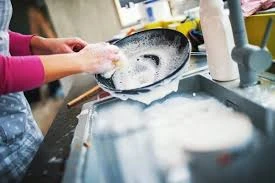
- Clean tools immediately after use
- Don’t let food dry and stick to surfaces
- Use appropriate cleaning agents for each material
- Rinse thoroughly to remove all soap residue
- Dry completely before storing
Deep Cleaning (Weekly):
- Give extra attention to corners and crevices
- Remove mineral deposits with vinegar
- Polish stainless steel items
- Sanitize cutting boards and containers
- Proper Storage Guidelines
General Storage Rules:
- Store in clean, dry places
- Keep tools organized and easy to reach
- Protect sharp edges with covers or careful placement
- Avoid overcrowding storage areas
Specific Storage Methods:
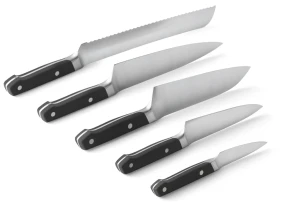
- Knives: Use knife blocks or magnetic strips, never loose in drawers
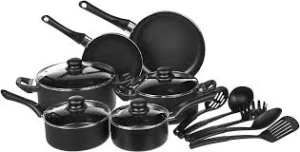
- Pots and pans: Stack carefully with protective layers between them
- Glass items: Store securely to prevent breaking
- Small tools: Use drawer organizers or hanging racks
- Electrical equipment: Keep in dry places, wrap cords neatly
- Proper Handling Guidelines
Safe Handling Practices:
- Always use tools for their intended purpose
- Handle with clean, dry hands
- Lift heavy equipment properly (bend knees, not back)
- Pass knives handle-first to others
- Never leave sharp tools where they can fall
Gentle Handling:
- Avoid dropping or banging tools together
- Don’t use metal utensils on non-stick surfaces
- Place items down gently, don’t slam them
- Support the bottom when lifting heavy pots
C. specific care for different materials
- Aluminum Tools Care
- Cleaning: Use mild cleaners, avoid harsh abrasives
- Storage: Keep dry to prevent corrosion
- Handling: Avoid sharp impacts that can dent the soft metal
- Maintenance: Polish occasionally to maintain shine
- Problems to avoid: Pitting from acidic foods left too long
- Stainless Steel Tools Care
- Cleaning: Use appropriate cleaners, dry immediately to prevent water spots
- Storage: Can be stacked but use protective layers
- Handling: Generally durable but avoid extreme temperature changes
- Maintenance: Polish regularly for best appearance
- Problems to avoid: Heat discoloration from overheating
- Non-stick Cookware Care
- Cleaning: Use only soft sponges and mild detergents
- Storage: Protect coating with soft cloths or paper towels between stacked items
- Handling: Never use metal utensils, avoid high heat
- Maintenance: Check coating regularly for damage
- Problems to avoid: Scratching or peeling of non-stick surface
- Wooden Tools Care
- Cleaning: Quick wash, immediate drying, no soaking
- Storage: In well-ventilated areas to prevent moisture buildup
- Handling: Avoid extreme heat and moisture
- Maintenance: Oil occasionally with food-safe oil
- Problems to avoid: Cracking, warping, or bacterial growth
- Glass Tools Care
- Cleaning: Use non-abrasive cleaners, check for chips
- Storage: Secure placement to prevent breaking
- Handling: Avoid extreme temperature changes
- Maintenance: Inspect regularly for cracks or chips
- Problems to avoid: Thermal shock that can cause breaking
- Plastic Tools Care
- Cleaning: Use baking soda for stains and odors
- Storage: Away from heat sources
- Handling: Avoid high temperatures that can melt or warp
- Maintenance: Replace when heavily stained or damaged
- Problems to avoid: Melting, staining, and odor absorption
D. maintenance practices
- Regular Inspection
- Check for damage like cracks, chips, or rust
- Look for loose handles or parts
- Examine electrical cords for damage
- Test that equipment works properly
- Preventive Maintenance
- Sharpen knives when they become dull
- Oil wooden items to prevent cracking
- Tighten loose screws or handles
- Replace worn parts when possible
- Service electrical equipment according to manufacturer’s instructions
- Repair or Replace Decisions
- Repair when: Damage is minor and fixable, cost is reasonable
- Replace when: Safety is compromised, repair cost exceeds replacement cost, item is beyond repair
E. proper handling techniques
- Lifting and Moving
- Heavy pots: Use both hands, lift with legs not back
- Hot items: Use proper pot holders or oven mitts
- Sharp tools: Carry with blade pointing down and away from body
- Glass items: Support from bottom, carry close to body
- Using Tools Correctly
- Knives: Use proper cutting technique, keep fingers away from blade
- Pots on stove: Turn handles inward to prevent accidents
- Electrical equipment: Follow manufacturer’s instructions
- Measuring tools: Level ingredients properly for accuracy
- Avoiding Damage
- Don’t use tools as hammers or pry bars
- Avoid extreme temperature changes
- Don’t overload electrical circuits
- Keep chemicals away from equipment
F. benefits of proper care
- Economic Benefits
- Tools last longer, saving money on replacements
- Better performance means more efficient cooking
- Prevents costly repairs
- Safety Benefits
- Reduces risk of accidents from damaged tools
- Prevents contamination from improperly maintained equipment
- Ensures electrical safety
- Health Benefits
- Clean, well-maintained tools prevent foodborne illness
- Proper storage prevents pest infestation
- Good condition tools work more effectively
Practical activity
Students will practice:
- Proper way to store different cooking tools
- Safe handling techniques for knives and hot items
- Inspection checklist for tool condition
Teaching AIDS
Various cooking tools in different conditions, storage containers, cleaning materials, inspection checklist
Evaluation questions
- Why is it important to care for cooking tools properly?
- How should knives be stored safely?
- What type of cleaner should NOT be used on non-stick pans?
- List 3 benefits of proper tool care
- How do you properly lift a heavy cooking pot?
This term's Home Economics topics
Basic 5 Second Term · 8 topics
- Family Values and Family Cycle
- Resources Family and Personal Resources
- Cleaning Agents for Cooking Tools and Equipment
- Cleaning Cooking Tools and Equipment
- Care of Cooking Tools and Equipment
- Basic Sitches (Permanent Stitches)
- Basic Stitches (Decorative/ Embroidery Stitches)
- Sewing Processes (Production of an Article)
Second Term Home Economics Lesson Notes for Other Topics

Kitchen Hygiene
Read the full lesson note.

First Aid Box
Read the full lesson note.

Kitchen: Definition and Types
Read the full lesson note.

Types of Home Cleaning II
Read the full lesson note.

Types of Home Cleaning I
Read the full lesson note.

Home Hygiene
Read the full lesson note.

Clothing Construction Continued. (Production of Seam Album)
Read the full lesson note.
Clothing Construction Continued. (Production of Seam Album)
Read the full lesson note.

Review of First Term Scheme of Work
Read the full lesson note.

Sewing Processes (Production Of An Article)
Read the full lesson note.

Basic Stitches (Decorative/ Embroidery Stitches)
Read the full lesson note.

Cleaning Cooking Tools And Equipment
Read the full lesson note.

Basic Sitches (Permanent Stitches)
Read the full lesson note.
Cleaning Agents For Cooking Tools And Equipment
Read the full lesson note.

Resources Family And Personal Resources
Read the full lesson note.
Lesson Notes for Other Classes

Basic 1 Lesson Note
The complete lesson note to guide your studies.
Basic 2 Lesson Note
The complete lesson note to guide your studies.

Basic 3 Lesson Note
The complete lesson note to guide your studies.

Basic 4 Lesson Note
The complete lesson note to guide your studies.

Basic 6 Lesson Note
The complete lesson note to guide your studies.

JSS1 Lesson Note
The complete lesson note to guide your studies.