
Guidelines For Use Of Cooking Tools And Equipment Basic 5 Home Economics Lesson Note
Download Lesson NoteTopic: Guidelines For Use Of Cooking Tools And Equipment
LEARNING OBJECTIVES
By the end of the lesson, pupils should be able to:
- distinguish between cooking tools and equipment
- itemize the use of each cooking tools and equipment
iii. state the guidelines for use of cooking tools and equipment
PREVIOUS KNOWLEDGE
Pupils can identify simple cooking tools and equipment from the previous lesson.
LESSON CONTENT
A. DISTINCTION BETWEEN COOKING TOOLS AND EQUIPMENT
| Cooking Tools | Cooking Equipment |
| Small and hand-held | Large and often stationary |
| Usually manual operation | Often electrical or mechanical |
| Less expensive | More expensive |
| Easy to store | Require more storage space |
| Examples: spoons, knives | Examples: refrigerator, cooker |
B. USES OF COOKING TOOLS AND EQUIPMENT
- Cutting Tools Uses:
- Knife – cutting vegetables, fruits, meat, and bread

- Chopping board – providing safe surface for cutting
- Grater – grating cheese, carrots, and coconut


- Peeler – removing skin from potatoes, carrots, and fruits
- Cooking Equipment Uses:
- Cooking pot – boiling rice, cooking soup, making stew

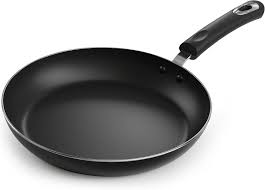
- Frying pan – frying eggs, meat, and plantain
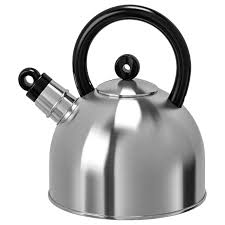
- Kettle – boiling water for tea and cooking
- Refrigerator – preserving food and making ice

- Measuring Tools Uses:
- Measuring cup – measuring milk, water, and oil

- Measuring spoons – measuring salt, sugar, and spices
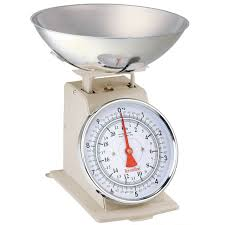
- Kitchen scale – weighing flour, meat, and vegetables
C. GUIDELINES FOR USE OF COOKING TOOLS AND EQUIPMENT
- Safety Guidelines
- Always wash hands before using any cooking tools
- Handle knives carefully – cut away from your body
- Keep pot handles turned inward on the stove
- Never leave cooking food unattended
- Use dry hands when handling electrical equipment
- Keep cooking area clean and organized
- Proper Handling Guidelines
- Use the right tool for the right job
- Hold knives properly with firm grip
- Use cutting board when cutting anything
- Turn off electrical equipment after use
- Allow hot equipment to cool before cleaning
- Store sharp tools safely away from children
- Maintenance Guidelines
- Clean tools immediately after use
- Dry all tools completely before storing
- Store tools in proper places
- Check electrical cords for damage regularly
- Sharpen knives when they become dull
- Replace broken or damaged tools
- Hygiene Guidelines
- Wash all tools with soap and clean water
- Use separate cutting boards for meat and vegetables
- Store clean tools in clean places
- Cover food containers properly
- Clean refrigerator regularly
- Wash dish towels frequently
PRACTICAL ACTIVITY
Demonstrate proper way to:
- Hold and use a knife safely
- Clean cooking tools
- Store tools properly
TEACHING AIDS
Cooking tools and equipment, cleaning materials, storage containers
EVALUATION QUESTIONS
- State 2 differences between cooking tools and equipment
- What is the use of a grater?
- List 4 safety guidelines for using cooking tools
- Why should we clean cooking tools after use?
First Term Home Economics Lesson Notes for Other Topics

Reasons for Cleaning the House, Classroom and the Environment
Explore lesson notes covering all topics.
How to Make Detergents
Explore lesson notes covering all topics.
Tools and Agents for Cleaning the Home
Explore lesson notes covering all topics.
Types and Uses of Stitches
Explore lesson notes covering all topics.
Effect of Wrong Meal Planning and Eating Habit
Explore lesson notes covering all topics.
Introduction to Clothing Construction Process(Seam)
Explore lesson notes covering all topics.

Stitches: (Temporary and Permanent)
Explore lesson notes covering all topics.
Three Major Meals of the Day
Explore lesson notes covering all topics.
Meaning of Meal Planning and Importance for Healthy Eating
Explore lesson notes covering all topics.

Uses And Care Of Simple Sewing, Knitting And Crocheting Tools And Equipment
Explore lesson notes covering all topics.

Identification Of Simple Cooking Tools And Equipment
Explore lesson notes covering all topics.

Basic Stitches
Explore lesson notes covering all topics.

Roles Of Each Family Members And Functions Of The Family
Explore lesson notes covering all topics.

Simple Sewing Tools And Equipment
Explore lesson notes covering all topics.

Family Relationship And Family Tree
Explore lesson notes covering all topics.
Lesson Notes for Other Classes

Basic 2 Lesson Note
The complete lesson note to guide your studies.

Basic 3 Lesson Note
The complete lesson note to guide your studies.

Basic 4 Lesson Note
The complete lesson note to guide your studies.

Basic 6 Lesson Note
The complete lesson note to guide your studies.

JSS1 Lesson Note
The complete lesson note to guide your studies.

JSS2 Lesson Note
The complete lesson note to guide your studies.