
Uses And Care Of Simple Sewing, Knitting And Crocheting Tools And Equipment Basic 5 Home Economics Lesson Note
Download Lesson NoteTopic: Uses And Care Of Simple Sewing, Knitting And Crocheting Tools And Equipment
LEARNING OBJECTIVES
By the end of the lesson, pupils should be able to:
- choose equipment and tools for sewing, knitting and crocheting
- experiment the use of simple tools and equipment for sewing, knitting and crocheting
iii. devise means of caring for their simple sewing, knitting and crocheting equipment
PREVIOUS KNOWLEDGE
Pupils can identify sewing tools and equipment from previous lessons.
LESSON CONTENT
A. USES OF SEWING TOOLS AND EQUIPMENT
- Measuring Tools Uses:
- Tape measure – measuring waist, chest, arm length for fitting clothes
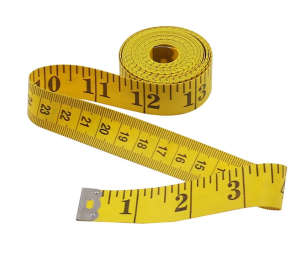
- Ruler – measuring seam allowances, button holes, hem lengths

- Measuring gauge – checking consistent seam widths
- Cutting Tools Uses:
- Scissors – cutting fabric pieces, trimming threads, cutting patterns

- Seam ripper – removing wrong stitches without damaging fabric
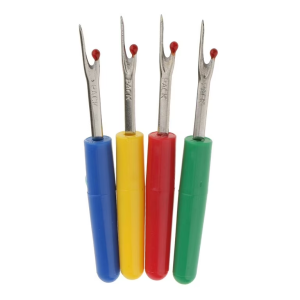
- Pinking shears – finishing fabric edges to prevent unraveling

- Stitching Tools Uses:
- Needles – making hand stitches, attaching buttons, doing embroidery
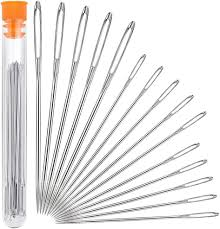
- Pins – holding pattern pieces to fabric before cutting
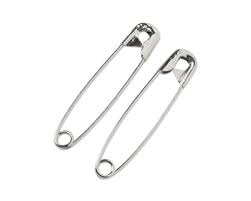
- Thimble – protecting middle finger while pushing needle through thick fabric
B. KNITTING TOOLS AND THEIR USES
- Basic Knitting Tools:
- Knitting needles – creating knitted stitches and patterns
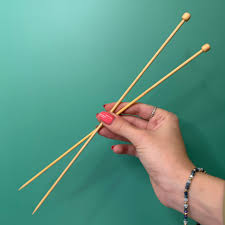
- Stitch markers – marking important places in knitting pattern

- Row counter – keeping track of rows completed

- Cable needle – holding stitches when making cable patterns
- Uses of Knitting Tools:
- Knitting needles – making sweaters, scarves, hats, and blankets
- Stitch markers – marking beginning of rounds in circular knitting
- Row counter – ensuring correct number of rows in pattern sections
C. CROCHETING TOOLS AND THEIR USES
- Basic Crocheting Tools:
- Crochet hooks – making crocheted stitches and patterns
- Stitch markers – marking stitches and pattern repeats
- Tapestry needle – sewing pieces together and weaving in ends
- Scissors – cutting yarn and trimming ends
- Uses of Crocheting Tools:
- Crochet hooks – making doilies, table mats, bags, and decorative items
- Tapestry needle – joining crocheted squares for blankets
- Stitch markers – marking rounds in circular crochet projects
D. CHOOSING THE RIGHT TOOLS
- For Sewing Projects:
- Choose needle size based on fabric weight (thin fabric = small needle)
- Select thread color that matches or complements fabric
- Use sharp scissors for clean cuts
- For Knitting Projects:
- Choose needle size based on yarn weight (thick yarn = large needles)
- Select smooth needles for beginners
- Use point protectors to prevent stitches from falling off
- For Crocheting Projects:
- Choose hook size based on yarn weight
- Select comfortable grip hooks for long projects
- Use hooks with good points for detailed work
E. CARE AND MAINTENANCE OF TOOLS AND EQUIPMENT
- Cleaning Guidelines:
- Needles and hooks – wipe clean with soft cloth after use
- Scissors – clean blades with dry cloth, oil pivot point occasionally
- Measuring tools – keep clean and dry, check accuracy regularly
- Sewing machine – dust after use, oil according to manual instructions
- Storage Guidelines:
- Sharp tools – store in protective cases or pin cushions
- Measuring tools – hang tape measures, store rulers flat
- Needles and pins – keep in pin cushion or magnetic holder
- Thread and yarn – store in cool, dry place away from sunlight
- Maintenance Guidelines:
- Scissors – sharpen when they become dull
- Sewing machine – service regularly by professional
- Knitting needles – check for rough spots that might snag yarn
- Crochet hooks – ensure hook point is smooth and not damaged
- Safety Guidelines:
- Always put caps on needle points when not in use
- Store scissors with blades closed
- Keep small items like pins away from children
- Unplug electrical equipment when not in use
PRACTICAL ACTIVITY
Students will practice:
- Threading a needle
- Using measuring tape correctly
- Proper way to hold scissors
- Basic care routine for tools
TEACHING AIDS
Various sewing, knitting, and crocheting tools, cleaning cloths, storage containers
EVALUATION QUESTIONS
- What tool is used for measuring body parts for sewing?
- List 3 ways to care for sewing scissors
- Why do we use different needle sizes for different fabrics?
- How should knitting needles be stored safely?
First Term Home Economics Lesson Notes for Other Topics

Reasons for Cleaning the House, Classroom and the Environment
Explore lesson notes covering all topics.
How to Make Detergents
Explore lesson notes covering all topics.
Tools and Agents for Cleaning the Home
Explore lesson notes covering all topics.
Types and Uses of Stitches
Explore lesson notes covering all topics.
Effect of Wrong Meal Planning and Eating Habit
Explore lesson notes covering all topics.
Introduction to Clothing Construction Process(Seam)
Explore lesson notes covering all topics.

Stitches: (Temporary and Permanent)
Explore lesson notes covering all topics.
Three Major Meals of the Day
Explore lesson notes covering all topics.
Meaning of Meal Planning and Importance for Healthy Eating
Explore lesson notes covering all topics.

Identification Of Simple Cooking Tools And Equipment
Explore lesson notes covering all topics.

Basic Stitches
Explore lesson notes covering all topics.

Simple Sewing Tools And Equipment
Explore lesson notes covering all topics.

Roles Of Each Family Members And Functions Of The Family
Explore lesson notes covering all topics.
Guidelines For Use Of Cooking Tools And Equipment
Explore lesson notes covering all topics.

Family Relationship And Family Tree
Explore lesson notes covering all topics.
Lesson Notes for Other Classes

Basic 1 Lesson Note
The complete lesson note to guide your studies.

Basic 2 Lesson Note
The complete lesson note to guide your studies.

Basic 3 Lesson Note
The complete lesson note to guide your studies.

Basic 4 Lesson Note
The complete lesson note to guide your studies.
Basic 6 Lesson Note
The complete lesson note to guide your studies.

JSS1 Lesson Note
The complete lesson note to guide your studies.