
Simple Sewing Tools and Equipment – Basic 5 Home Economics Lesson Note (First Term)
Download Lesson NoteLesson note at a glance
- Subject
- Home Economics
- Class
- Basic 5
- Term
- First Term
- Topic
- Simple Sewing Tools and Equipment
- Order
- Topic 6 of 8 this term
- Reading time
- 2 min

Learning objectives
By the end of the lesson, pupils should be able to: i. list different types of tools and equipment for sewing ii. classify sewing tools and equipment iii. compare and contrast tools and equipment for sewing
Previous knowledge
Pupils have seen sewing activities and may have used some simple sewing tools.
Lesson content
A. meaning of sewing tools and equipment
- Sewing Tools are small hand-held items used for stitching and needlework
- Sewing Equipment are larger items that make sewing easier and faster
B. types of sewing tools
- Measuring Tools
- Tape measure – for measuring body parts and fabric length
- Ruler – for measuring short distances and drawing straight lines
- Measuring gauge – for measuring seam allowances
- Cutting Tools
- Scissors – for cutting fabric and thread
- Pinking shears – for cutting fabric edges to prevent fraying
- Seam ripper – for removing wrong stitches
- Craft knife – for cutting patterns
- Marking Tools
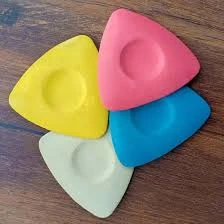
- Tailor’s chalk – for marking fabric temporarily
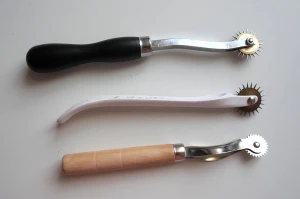
- Tracing wheel – for transferring pattern markings
- Fabric markers – for marking fabric that washes out
- Stitching Tools
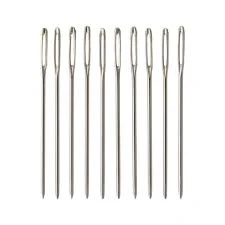
- Needles – for hand sewing (different sizes for different threads)
- Pins – for holding fabric pieces together temporarily
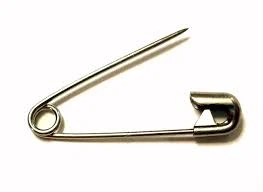
- Safety pins – for temporary fastening
- Thimble – for protecting finger while sewing

- Pressing Tools
- Iron – for pressing seams and removing wrinkles
- Ironing board – surface for ironing clothes
- Pressing cloth – for protecting delicate fabrics while ironing
C. sewing equipment
- Basic Equipment
- Sewing machine – for fast and neat stitching
- Cutting table – large surface for cutting fabric
- Dress form/mannequin – for fitting clothes while sewing
- Storage Equipment
- Sewing box – for organizing small sewing tools
- Thread rack – for organizing different colored threads
- Fabric storage – for keeping fabric neat and clean
D. classification of sewing tools and equipment
- By Function:
- Measuring tools – tape measure, ruler, gauge
- Cutting tools – scissors, seam ripper, craft knife
- Marking tools – chalk, markers, tracing wheel
- Stitching tools – needles, pins, thimble
- Pressing tools – iron, ironing board, pressing cloth
- By Size:
- Small/Hand tools – needles, pins, scissors, chalk
- Large/Equipment – sewing machine, ironing board, cutting table
E. comparison of sewing tools and equipment
| Sewing Tools | Sewing Equipment |
| Small and portable | Large and often stationary |
| Inexpensive | More expensive |
| Manual operation | Often mechanical/electrical |
| Easy to store | Require dedicated space |
| For detailed work | For major sewing tasks |
Teaching AIDS
Various sewing tools and equipment, sewing box, fabric samples, charts
Evaluation questions
- List 5 different sewing tools
- Name 3 types of cutting tools used in sewing
- What is the difference between sewing tools and equipment?
- Classify these items: needle, sewing machine, scissors, ironing board
This term's Home Economics topics
Basic 5 First Term · 8 topics
- Family: Meaning and Types of Family
- Roles of Each Family Members and Functions of the Family
- Family Relationship and Family Tree
- Identification of Simple Cooking Tools and Equipment
- Guidelines for Use of Cooking Tools and Equipment
- Simple Sewing Tools and Equipment
- Uses and Care of Simple Sewing, Knitting and Crocheting Tools and Equipment
- Basic Stitches
First Term Home Economics Lesson Notes for Other Topics

Reasons for Cleaning the House, Classroom and the Environment
Read the full lesson note.
How to Make Detergents
Read the full lesson note.

Tools and Agents for Cleaning the Home
Read the full lesson note.
Types and Uses of Stitches
Read the full lesson note.
Effect of Wrong Meal Planning and Eating Habit
Read the full lesson note.
Introduction to Clothing Construction Process(Seam)
Read the full lesson note.
Stitches: (Temporary and Permanent)
Read the full lesson note.

Three Major Meals of the Day
Read the full lesson note.

Meaning of Meal Planning and Importance for Healthy Eating
Read the full lesson note.

Uses And Care Of Simple Sewing, Knitting And Crocheting Tools And Equipment
Read the full lesson note.
Identification Of Simple Cooking Tools And Equipment
Read the full lesson note.
Basic Stitches
Read the full lesson note.

Roles Of Each Family Members And Functions Of The Family
Read the full lesson note.

Guidelines For Use Of Cooking Tools And Equipment
Read the full lesson note.
Family Relationship And Family Tree
Read the full lesson note.
Lesson Notes for Other Classes

Basic 1 Lesson Note
The complete lesson note to guide your studies.

Basic 2 Lesson Note
The complete lesson note to guide your studies.

Basic 3 Lesson Note
The complete lesson note to guide your studies.

Basic 4 Lesson Note
The complete lesson note to guide your studies.
Basic 6 Lesson Note
The complete lesson note to guide your studies.
JSS1 Lesson Note
The complete lesson note to guide your studies.

