
Settlements in Lagos (Ancient) Basic 3 History Lesson Note
Download Lesson NoteTopic: Settlements in Lagos (Ancient)
What We Will Learn Today
- How people lived in Lagos long ago
- What ancient Lagos settlements looked like
- Where these settlements came from
- Why they were important
What Were Ancient Settlements?
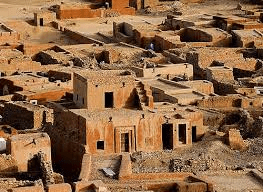
Ancient settlements were places where people lived long ago before modern times.
- No electricity, cars, or tall buildings
- People lived in simple houses made of mud and wood
- Small communities by the water
Features of Ancient Settlements
Houses:
- Made of mud and wood
- Roofs covered with palm leaves
- Built on stilts over water
- Family compounds where relatives lived together
Location:
- Near lagoons and rivers
- On islands like Lagos Island
- Close to the sea for fishing
- Protected by water from enemies
Transportation:
- Canoes carved from big trees
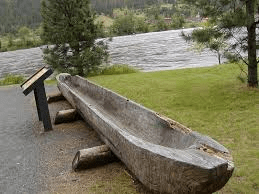
- Footpaths connecting settlements
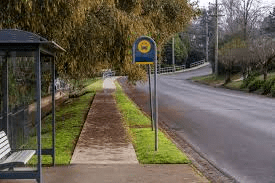
- No cars or modern roads
Work:
- Fishing in lagoons and sea

- Farming small plots of land
- Trading goods with other places
- Making crafts like pottery

Origin of Ancient Settlements
The Awori People:
- First people to live in Lagos area
- Came from Ife following their leader Olofin
- Were fishermen who loved water
- Settled on Lagos Island (called “Eko”)
Other Early Settlements:
- Badagry – old trading town
- Epe – fishing settlement
- Ikorodu – farming and fishing area
- Ikeja – inland settlement
Why They Chose These Places:
- Plenty of fish in the water
- Good for farming with rich soil
- Safe from enemies (surrounded by water)
- Easy to travel by canoe
Importance of Ancient Settlements
For Food:
- Provided fish for many people
- Grew crops like yam and vegetables
- Made salt from sea water
For Trade:
- Meeting places for buying and selling
- Connected different areas
- Exchanged goods with other communities
For Culture:
- Kept traditions alive
- Taught children Yoruba customs
- Held festivals and ceremonies
For Protection:
- Safe places for families
- Strong communities that helped each other
- Traditional rulers who led the people
How People Lived Together (Socialization)
In Families:
- Big families lived in same compound
- Grandparents taught children traditions
- Everyone helped with work
- Shared meals together
In Communities:
- Village meetings under big trees
- Community work like building houses
- Festivals celebrated together
- Traditional ruler (Oba) led them
Between Communities:
- People married from other settlements
- Traded with neighboring areas
- Shared festivals and ceremonies
- Helped each other during troubles
Types of Ancient Settlements
- Fishing Villages:
- Small settlements by the water
- Houses on stilts over lagoons
- Main work: Catching and selling fish
- Example: Old Epe
- Trading Towns:
- Bigger than villages
- Had markets and meeting places
- Visitors came to buy and sell
- Example: Ancient Badagry
- Farming Communities:
- Inland areas with good soil
- Grew food for many people
- Had barns to store crops
- Example: Parts of old Ikorodu
- Royal Centers:
- Had palaces of traditional rulers
- Administrative centers
- Where disputes were settled
- Example: Palace areas in ancient settlements
What We Learned
- Ancient Lagos settlements were small communities near water where Awori people lived
- Houses were simple, made of mud and wood, often built over water
- The Awori people came from Ife and chose Lagos because of fish and good location
- Settlements were important for food, trade, culture, and protection
- People lived together in families and communities, helping each other
- There were fishing villages, trading towns, farming communities, and royal centers
EXERCISES
- Fill in the blanks:
- Ancient houses were made of __________ and wood.
- The __________ people first settled in Lagos.
- People used __________ to travel on water.
- Lagos Island was called “________” by ancient people.
- True or False:
- Ancient settlements had electricity. ( )
- The Awori people came from Ife. ( )
- Ancient people built houses near water. ( )
- Fishing was important work in ancient Lagos. ( )
- Circle the correct answer:
- Ancient houses had roofs made of (iron / palm leaves / cement).
- The Awori people were mainly (farmers / fishermen / traders).
- Ancient settlements were built near (mountains / water / forests).
- People traveled using (cars / canoes / trains).
- Match the settlement with its main activity:
- Fishing villages → Growing crops
- Trading towns → Catching fish
- Farming communities → Buying and selling
- Royal centers → Ruling people
- Answer these questions:
- Who were the first people to settle in Lagos?
- What were ancient houses made of?
- Why did people choose to live near water?
- How did families live together in ancient times?
- List 3 features of ancient settlements:
- Then and Now: Write one difference between ancient and modern Lagos:
Ancient Life: Long ago, people in Lagos lived simply by the water, working together as one big family!
Third Term History Lesson Notes for Other Topics
Settlements in Nigeria (Ancient)
Explore lesson notes covering all topics.
Towns and Settlements in Nigeria (Modern)
Explore lesson notes covering all topics.
Towns and Settlements in Nigeria
Explore lesson notes covering all topics.
Settlements in Lagos State (Modern)
Explore lesson notes covering all topics.

The Growth of Industry in Nigeria
Explore lesson notes covering all topics.
The Growth of Industries in Nigeria (Scale Classification)
Explore lesson notes covering all topics.
The Growth of Industries in Nigeria - Technology Transfer
Explore lesson notes covering all topics.
Lesson Notes for Other Classes
Basic 1 Lesson Note
The complete lesson note to guide your studies.

Basic 2 Lesson Note
The complete lesson note to guide your studies.

Basic 4 Lesson Note
The complete lesson note to guide your studies.
Basic 5 Lesson Note
The complete lesson note to guide your studies.

Basic 6 Lesson Note
The complete lesson note to guide your studies.

JSS1 Lesson Note
The complete lesson note to guide your studies.