Settlements in Nigeria (Ancient) – Basic 3 History Lesson Note (Third Term)
Download Lesson NoteLesson note at a glance
- Subject
- History
- Class
- Basic 3
- Term
- Third Term
- Topic
- Settlements in Nigeria (Ancient)
- Order
- Topic 4 of 5 this term
- Reading time
- 5 min
What We Will Learn Today
- Important ancient towns in Nigeria
- What ancient Nigerian towns looked like
- How these ancient towns started
- How people lived together in ancient times
- Why these ancient towns were important
Ancient Towns in Nigeria
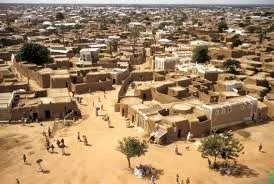
Northern Ancient Towns:
- Daura – First Hausa city-state
- Kukawa – Capital of old Bornu Empire
- Lokoja – Where Rivers Niger and Benue meet
Middle Belt Ancient Towns:
- Gboko – Ancient Tiv settlement
- Okene – Old Ebira town
- Oturkpo – Traditional Idoma center
- Idah – Capital of ancient Igala kingdom
Southern Ancient Towns:
- Ile-Ife – Sacred city of Yoruba people
- Oyo – Capital of great Oyo Empire
- Benin – Center of powerful Benin Kingdom
- Badagry – Ancient coastal trading town
- Calabar – Old Efik trading center
- Aba – Ancient Igbo commercial town
- Nsukka – Old Igbo settlement
Features of Ancient Towns
Buildings and Houses:
- Mud houses with thick walls
- Thatched roofs made of grass or palm leaves
- Family compounds where many relatives lived
- Palaces for kings and traditional rulers
- Meeting halls for community gatherings
Town Layout:
- Central market square for trading
- King’s palace at the center or important location
- Family quarters grouped together
- Shrines for traditional worship
- Craft areas where people made things
Protection:
- Town walls built around the settlement
- Gates with guards for security
- Watchtowers to see enemies coming
- Deep trenches around walls
- Strong gates made of wood and iron
Transportation:
- Footpaths connecting different areas
- Market roads for bringing goods
- River routes where possible
- No cars or modern vehicles
Origins of Ancient Towns
How Ancient Towns Started:
Strategic Locations:
- River confluences (like Lokoja where rivers meet)
- Hilltops for protection (like parts of Nsukka)
- Fertile lands good for farming
- Trade routes where merchants passed
Founding Stories:
Ile-Ife:
- Started by Oduduwa, father of Yoruba people
- Became sacred center of Yoruba culture
- Spiritual headquarters where other kings came for blessings
Daura:
- Founded by Queen Daurama
- First Hausa city-state
- Started when Bayajidda killed the snake terrorizing people
Benin City:
- Founded by Prince Oranmiyan from Ife
- Became capital of Benin Kingdom
- Grew into powerful empire center
Calabar:
- Started by Efik people along Cross River
- Became trading center with Europeans
- First contact point for many foreign traders
Why These Locations Were Chosen:
- Good water supply from rivers or wells
- Fertile soil for growing food
- Protection from hills or rivers
- Trade advantages on important routes
- Religious significance for the people
Socialisation in Ancient Towns
Family Level:
- Extended families lived in same compound
- Three generations together (grandparents, parents, children)
- Shared responsibilities – everyone had jobs to do
- Respect for elders – old people were very important
- Children learned by watching and helping adults
Community Level:
- Town meetings under big trees or in market square
- Traditional ruler (King, Oba, Emir, Obi) led the people
- Council of elders helped make decisions
- Age grade societies – people born same time worked together
- Community festivals brought everyone together
Daily Social Activities:
- Morning greetings between neighbors
- Market days when people from villages came to trade
- Evening storytelling where elders taught children
- Religious ceremonies for gods and ancestors
- Work groups where people helped each other
Inter-Town Relations:
- Trade connections with other ancient towns
- Marriage alliances between different towns
- Military cooperation against common enemies
- Cultural exchange through festivals and visits
- Diplomatic relations between different kingdoms
Importance of Ancient Towns
Economic Importance:
- Trading centers where goods were bought and sold
- Craft production – making pottery, cloth, tools, jewelry
- Agricultural centers that fed surrounding areas
- Market towns that connected different regions
- Currency centers where money and trade were controlled
Political Importance:
- Capitals of great kingdoms and empires
- Administrative centers where laws were made
- Court centers where disputes were settled
- Military headquarters for defense
- Diplomatic centers for relations with other kingdoms
Cultural Importance:
- Preserved traditions and customs of different peoples
- Centers of learning where skills were taught
- Religious centers where people worshipped
- Art centers producing beautiful sculptures and crafts
- Language centers where pure forms of languages were kept
Social Importance:
- Brought people together from different families
- Created unity among various communities
- Provided security for families
- Developed leadership systems still used today
- Built social networks that connected people
Historical Importance:
- Foundations of modern Nigerian cities
- Proof of ancient African civilizations
- Sources of Nigerian history and culture
- Examples of early Nigerian governance
- Heritage that makes us proud of our past
Legacy of Ancient Towns
What They Gave Modern Nigeria:
- Traditional ruler systems still exist today
- Cultural festivals still celebrated
- Craft traditions passed down to today
- Trade routes became modern roads
- City locations – many modern cities built on ancient sites
Modern Connections:
- Ile-Ife is still the spiritual home of Yoruba people
- Benin City still has the Oba and royal traditions
- Daura remains important in Hausa culture
- Calabar is still a major port city
- Many ancient towns became state capitals or major cities
What We Learned
- Nigeria had many important ancient towns from north to south
- These towns had mud houses, palaces, markets, and protective walls
- They started in good locations for trade, farming, and protection
- People lived together in extended families and strong communities
- Ancient towns were important for trade, politics, culture, and social life
- Many modern Nigerian cities grew from these ancient settlements
EXERCISES
- Fill in the blanks:
- __________ is called the sacred city of Yoruba people.
- Ancient houses were made of __________ with thatched roofs.
- __________ was built where Rivers Niger and Benue meet.
- Ancient towns had __________ built around them for protection.
- Match the ancient town with its region:
- Daura → South (Yorubaland)
- Ile-Ife → North (Hausaland)
- Calabar → Middle Belt
- Gboko → South (Cross River area)
- True or False:
- Ancient towns had cars and modern roads. ( )
- Ile-Ife was the sacred center of Yoruba culture. ( )
- Ancient people lived in small families of 2-3 people. ( )
- Many modern cities were built on ancient town sites. ( )
- Choose the correct answer:
- Ancient town walls were built for (decoration / protection / farming).
- (Ile-Ife / Daura / Calabar) was founded by Oduduwa.
- People in ancient towns lived in (single houses / family compounds / tall buildings).
- Traditional rulers in ancient towns were called (Presidents / Obas, Emirs, Obis / Governors).
- Answer these questions:
- Name three ancient towns from Northern Nigeria.
- What materials were used to build ancient houses?
- How did people socialize in ancient towns?
- Why were ancient towns important for trade?
- List features of ancient towns: Write 4 things you would find in ancient Nigerian towns:
- Ancient vs Modern: Write one difference between ancient and modern towns: Ancient towns: ____________________ Modern towns: ____________________
- Your Choice: Which ancient town would you like to visit? Why? Town: ____________________ Reason: ____________________
Ancient Heritage: These great ancient towns show us that Nigerians have always been skilled at building communities and living together peacefully!
This term's History topics
Basic 3 Third Term · 5 topics
Third Term History Lesson Notes for Other Topics

Traditional Ruler in our Community
Read the full lesson note.

Traditional Rulers in Lagos
Read the full lesson note.
Procedures of Becoming a Traditional Ruler
Read the full lesson note.
Symbols of Traditional Rulers' Authority
Read the full lesson note.

Roles of Traditional Rulers
Read the full lesson note.

Title Holders
Read the full lesson note.

Duties of Traditional Title Holders
Read the full lesson note.

The Local Government Chairperson
Read the full lesson note.

Towns and Settlements in Nigeria (Modern)
Read the full lesson note.

Towns and Settlements in Nigeria
Read the full lesson note.
Settlements in Lagos (Ancient)
Read the full lesson note.

Settlements in Lagos State (Modern)
Read the full lesson note.

The Growth of Industry in Nigeria
Read the full lesson note.

The Growth of Industries in Nigeria (Scale Classification)
Read the full lesson note.
The Growth of Industries in Nigeria - Technology Transfer
Read the full lesson note.
Lesson Notes for Other Classes

Basic 1 Lesson Note
The complete lesson note to guide your studies.
Basic 2 Lesson Note
The complete lesson note to guide your studies.

Basic 4 Lesson Note
The complete lesson note to guide your studies.

Basic 5 Lesson Note
The complete lesson note to guide your studies.

Basic 6 Lesson Note
The complete lesson note to guide your studies.

JSS1 Lesson Note
The complete lesson note to guide your studies.