
South-East Geopolitical Zone Peoples (Ancient) Continued – Basic 3 History Lesson Note (First Term)
Download Lesson NoteLesson note at a glance
- Subject
- History
- Class
- Basic 3
- Term
- First Term
- Topic
- South-East Geopolitical Zone Peoples (Ancient) Continued
- Order
- Topic 7 of 10 this term
- Reading time
- 4 min
What We Will Learn Today
- More about ancient Igbo communities and kingdoms
- Traditional way of life and social organization
- Ancient crafts, arts, and skills
- How ancient Igbo people governed themselves
Ancient Igbo Communities and Kingdoms
Nri Kingdom (The Sacred Kingdom)
Location: Present-day Anambra State Time Period: Over 1000 years ago Special Leader: The Eze Nri (Priest-King) Importance: Oldest kingdom in Igboland
What Made Nri Special:
- Spiritual center – people came from far away for religious ceremonies
- Peace makers – settled disputes between different communities
- Ritual cleansing – cleaned people who did bad things (abominations)
- Calendar keepers – decided when to plant and harvest crops
Arochukwu Kingdom
Location: Present-day Abia State
Time Period: About 500 years ago
Famous Feature: The Ibini Ukpabi Oracle (Long Juju)
Importance: Center of justice and trade
Why Arochukwu Was Powerful:
- Oracle consultations – people came to ask questions about the future
- Trade control – controlled trade routes to the coast
- Justice center – settled difficult disputes
- Slave trade involvement – unfortunately involved in selling people
Nike Kingdom
Location: Present-day Enugu State
Famous For: Bronze working and art
Special Skill: Making beautiful bronze objects
Ancient Igbo Social Organization
Village Democracy:
- No kings in most places – communities ruled themselves
- Council of elders – wise old men made important decisions
- Town meetings – everyone could speak their mind
- Age grade societies – groups of people born around same time worked together
Family Structure:
- Extended families – many relatives lived together in compounds
- Patrilineal system – children belonged to father’s family line
- Respect for elders – old people were very important
- Family heads – oldest man in family made family decisions
Traditional Titles:
- Ozo title – honor given to successful and good men
- Requirements – must be wealthy, honest, and respected
- Ceremonies – big celebrations when someone got title
- Responsibilities – helped govern the community
Ancient Ways of Making a Living
Farming (The Main Job):
- Yam cultivation – yam was the most important crop (king of crops)
- Crop rotation – changed what they planted to keep soil healthy
- Communal farming – families worked together during planting and harvest
- Sacred yams – some yams were kept for religious ceremonies
Trading and Commerce:
- Local markets – every community had market days
- Market cycles – markets held on 4-day or 8-day cycles
- Long distance trade – traded with neighboring peoples
- Trade goods – yam, palm products, crafts, kola nuts
Specialized Crafts:
- Blacksmithing – making farm tools, weapons, and household items
- Wood carving – beautiful masks, statues, and house decorations
- Pottery – women made pots, plates, and water containers
- Weaving – making cloth from palm fibers and cotton
Ancient Igbo Arts and Culture
Traditional Arts:
Wood Carving:
- Masks – used in masquerade festivals
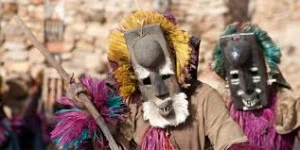
- Statues – carved images of gods and ancestors

- House posts – decorated pillars in important buildings
- Doors – carved beautiful designs on wooden doors
Bronze and Brass Work:
- Ritual objects – made items for religious ceremonies
- Jewelry – beautiful bracelets, anklets, and necklaces
- Ceremonial vessels – special containers for important occasions
- Lost wax technique – special method of casting metal
Textiles:
- Akwete cloth – beautiful patterned cloth from Abia area
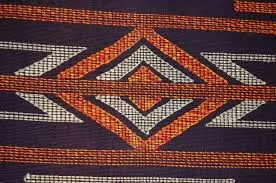
- Aso-oke weaving – making traditional ceremonial clothes

- Tie and dye – creating colorful patterns on cloth

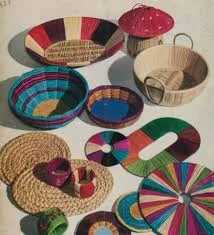
- Raffia work – using palm fibers to make various items
Ancient Religious and Cultural Practices
Traditional Religion:
- Chukwu – the supreme God (creator of everything)
- Ancestral worship – honoring dead family members
- Chi – personal god that guides each person
- Nature spirits – gods of rivers, forests, and land
Important Festivals:
- New Yam Festival (Iri Ji) – biggest celebration of the year
- Masquerade festivals – spirits came out to bless people
- Cleansing ceremonies – removing bad luck from community
- Harvest festivals – thanking gods for good crops
Traditional Medicine:
- Dibia system – traditional doctors who healed people
- Herbal medicine – using plants and roots to cure diseases
- Spiritual healing – combining medicine with prayers
- Community health – everyone helped take care of sick people
What We Learned
- Ancient Igbo communities had kingdoms like Nri and Arochukwu with special roles
- They practiced village democracy where communities governed themselves
- They were skilled farmers, traders, and craftspeople
- Their arts included beautiful wood carving, bronze work, and textiles
- They had rich cultural traditions with festivals, storytelling, and traditional education
EXERCISES
- Fill in the blanks:
- The __________ kingdom was the spiritual center of Igboland.
- Most Igbo communities had no __________ but ruled themselves.
- __________ was considered the king of crops.
- The supreme God in Igbo tradition was called __________.
- Match the kingdom with its special feature:
- Nri Kingdom → Oracle and justice center
- Arochukwu Kingdom → Bronze working and art
- Nike Kingdom → Spiritual center and peace makers
- True or False:
- Ancient Igbo people only farmed and never traded. ( )
- The New Yam Festival was the biggest celebration. ( )
- Women were not allowed to do any work. ( )
- Cowrie shells were used as money. ( )
- Choose the correct answer:
- The Ozo title was given to (young boys / successful men / women).
- Ancient Igbo people made tools from (wood / iron / stone).
- Markets were held every (3 / 4 / 5) or 8 days.
- Children learned through (books / storytelling / writing).
- Answer these questions:
- How did most ancient Igbo communities govern themselves?
- What were three main crafts that ancient Igbo people did?
- Why was the Nri kingdom considered special?
- What was the most important crop for ancient Igbo people?
- Complete the categories:
Ancient Igbo Arts:
- __________ carving
- __________ and brass work
- __________ making
- __________ weaving
Ancient Currency:
- __________ shells
- __________ (C-shaped metal)
- __________ bars
This term's History topics
Basic 3 First Term · 10 topics
- Geopolitical Zones of Nigeria
- South-west Geo-political Zone People (Ancient & Modern)
- South-west Geopolitical Zone in Nigeria (Ancient)
- South-south Geopolitical Zone in Nigeria (Modern)
- South-South Geopolitical Zone (Ancient) Continued
- South-East Geopolitical Zone (Modern)
- South-East Geopolitical Zone Peoples (Ancient) Continued
- North-East Geopolitical Zone Peoples (Modern)
- North-Central Geopolitical Zone
- North-west Geopolitical Zone
First Term History Lesson Notes for Other Topics
Introduction to History
Read the full lesson note.

Historical Origin of Peoples in Lagos State
Read the full lesson note.
People in the Community
Read the full lesson note.

Important Places of History in Lagos State
Read the full lesson note.
Family History
Read the full lesson note.
Geopolitical Zones of Nigeria
Read the full lesson note.
South-South Geopolitical Zone (Ancient) Continued
Read the full lesson note.
South-west Geopolitical zone in Nigeria (Ancient)
Read the full lesson note.
South-west Geo-political zone People (Ancient & Modern)
Read the full lesson note.
South-south Geopolitical zone in Nigeria (Modern)
Read the full lesson note.
South-East Geopolitical Zone (Modern)
Read the full lesson note.
North-East Geopolitical Zone Peoples (Modern)
Read the full lesson note.

North-Central Geopolitical Zone
Read the full lesson note.
North-west Geopolitical Zone
Read the full lesson note.
Civil Rule in Nigeria First Republic: 1960-1966
Read the full lesson note.
Lesson Notes for Other Classes

Basic 1 Lesson Note
The complete lesson note to guide your studies.

Basic 2 Lesson Note
The complete lesson note to guide your studies.

Basic 4 Lesson Note
The complete lesson note to guide your studies.

Basic 5 Lesson Note
The complete lesson note to guide your studies.
Basic 6 Lesson Note
The complete lesson note to guide your studies.
JSS1 Lesson Note
The complete lesson note to guide your studies.


