North-Central Geopolitical Zone – Basic 3 History Lesson Note (First Term)
Download Lesson NoteLesson note at a glance
- Subject
- History
- Class
- Basic 3
- Term
- First Term
- Topic
- North-Central Geopolitical Zone
- Order
- Topic 9 of 10 this term
- Reading time
- 5 min
What We Will Learn Today
- The seven states of the North-Central zone
- How people socialize and live together
- The origins and traditions of North-Central peoples
- What makes this zone special
The North-Central Zone States
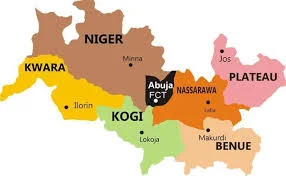
The Seven States:
- Abuja (FCT) – Federal Capital Territory
- Benue State (Capital: Makurdi)
- Kogi State (Capital: Lokoja)
- Kwara State (Capital: Ilorin)
- Nasarawa State (Capital: Lafia)
- Niger State (Capital: Minna)
- Plateau State (Capital: Jos)
Special Names:
- “Middle Belt” – between North and South Nigeria
- “Food Basket of the Nation” – grows lots of food
Levels of Socialization
Family Level (First Level):
How Families Live Together:
- Extended families – grandparents, parents, children, uncles, aunts live together
- Respect for elders – old people are very important and respected
- Sharing responsibilities – everyone has jobs to do in the family
- Teaching children – older family members teach young ones about culture
Family Duties:
- Children help with house chores and farm work
- Parents provide food, clothes, and education
- Grandparents tell stories and teach traditions
- Everyone takes care of sick or old family members
Community Level (Second Level):
How Communities Work Together:
- Neighborhood cooperation – neighbors help each other
- Community projects – building schools, roads, wells together
- Traditional rulers – chiefs and emirs lead communities
- Age grade societies – people born around same time work together
Community Activities:
- Market days – everyone comes to buy and sell
- Festival celebrations – whole community celebrates together
- Dispute resolution – elders solve problems between people
- Security – everyone watches out for strangers and dangers
Inter-Community Level (Third Level):
How Different Communities Connect:
- Inter-marriage – people marry from other communities
- Trade relationships – different communities trade with each other
- Shared festivals – communities celebrate together
- Common languages – Hausa language helps people communicate
Examples:
- Farmers and herders working together during planting season
- Different ethnic groups living peacefully in same areas
- Sharing resources like rivers, forests, and markets
- Joint security arrangements between communities
Origins and Traditions of North-Central Peoples
Major Ethnic Groups and Their Origins:
- Tiv People (Benue State):
- Origin story: Came from the east, following their ancestor called Tiv
- Migration: Moved along River Benue looking for good farmland
- Tradition: Great farmers who grow yams, millet, and other crops
- Culture: Famous for their colorful traditional cloth (Anger cloth)
- Nupe People (Niger and Kwara States):
- Origin: Ancient kingdom along River Niger
- Tradition: Great fishermen, farmers, and bronze workers
- Culture: Beautiful glass beads and traditional boats
- Language: Nupe language still spoken today
- Gbagyi People (Niger, Abuja, Nasarawa):
- Origin: Original inhabitants of Abuja area
- Tradition: “True owners of the land” – lived there first
- Culture: Peaceful farming people who welcomed others
- Special role: Gave land for Nigeria’s capital city (Abuja)
- Berom People (Plateau State):
- Origin: Mountain dwellers of Jos Plateau
- Tradition: Lived on hills and mountains for protection
- Culture: Famous for mining tin and farming on terraces
- Food: Grow Irish potatoes and other cool climate crops
- Idoma People (Benue State):
- Origin: Ancient people who settled along rivers
- Tradition: Great warriors and farmers
- Culture: Beautiful masks and traditional dances
- Art: Famous wood carvers and sculptors
- Igala People (Kogi State):
- Origin: Ancient kingdom with powerful kings (Attah of Igala)
- Tradition: Great traders at the confluence of Rivers Niger and Benue
- Culture: Mix of traditions from North and South Nigeria
- Location: Where Rivers Niger and Benue meet in Lokoja
Traditional Ways of Life
Farming Traditions:
- Yam cultivation – most important crop in many areas
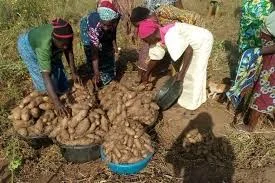
- Mixed farming – growing different crops together
- Seasonal farming – knowing when to plant and harvest
- Sacred groves – special forests for traditional ceremonies
Fishing Traditions:
- River fishing along Niger and Benue Rivers

- Traditional boats – making canoes from tree trunks
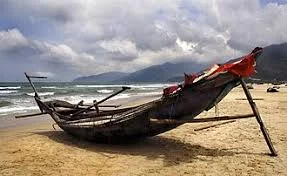
- Fishing festivals – celebrating good fishing seasons

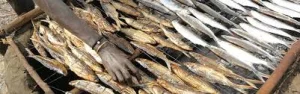
- Fish preservation – smoking and drying fish for storage
Crafts and Skills:
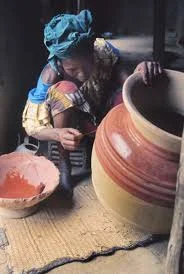
- Pottery making – especially by women
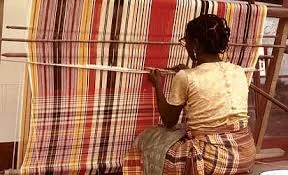
- Weaving – making beautiful traditional cloths
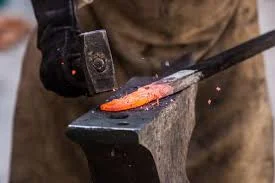
- Blacksmithing – making farm tools and weapons
- Wood carving – creating masks, statues, and household items

What Makes North-Central Special
Unity in Diversity:
- Many ethnic groups living together peacefully
- Different languages but communicating well
- Shared resources like rivers and farmland
- Intermarriage between different groups
Strategic Location:
- Nigeria’s capital (Abuja) is located here
- Meeting point between North and South
- Rivers Niger and Benue meet in Lokoja
- Transportation hub – roads and railways meet here
What We Learned
- The North-Central zone has seven states including Nigeria’s capital
- People socialize at family, community, and inter-community levels
- Major ethnic groups include Tiv, Nupe, Gbagyi, Berom, Idoma, and Igala
- Each group has unique origins and cultural traditions
- The zone is known for unity in diversity and agricultural production
EXERCISES
- Fill in the blanks:
- The North-Central zone has __________ states.
- The zone is called the “__________ Belt” of Nigeria.
- The __________ people are the original inhabitants of Abuja.
- Rivers __________ and __________ meet in Lokoja.
- Match the people with their state:
- Tiv people → Plateau State
- Berom people → Benue State
- Nupe people → Kogi State
- Igala people → Niger State
- True or False:
- The North-Central zone is called the “Middle Belt.” ( )
- All people in the zone speak the same language. ( )
- The Gbagyi people gave land for Abuja. ( )
- The zone has only five states. ( )
- Choose the correct answer:
- The three levels of socialization are family, community, and (state / inter-community / government).
- The Tiv people are famous for growing (rice / yams / cocoa).
- The traditional ruler of Igala is called (Emir / Oba / Attah).
- Nigeria’s capital city is (Lagos / Abuja / Kano).
- Answer these questions:
- What are the three levels of socialization in North-Central zone?
- Which people are considered the original inhabitants of Abuja?
- Name two rivers that are important in the North-Central zone.
- What makes the North-Central zone special in Nigeria?
- Complete the ethnic groups and their specialties:
- Tiv people: Famous for __________ and Anger cloth
- Nupe people: Great __________ and bronze workers
- Berom people: Famous for __________ mining and mountain farming
- Idoma people: Great __________ and wood carvers
- Community Connection: How do people in your community help each other? Write two ways:
Unity in Diversity: The North-Central zone shows us how different peoples can live together peacefully and help each other!
This term's History topics
Basic 3 First Term · 10 topics
- Geopolitical Zones of Nigeria
- South-west Geo-political Zone People (Ancient & Modern)
- South-west Geopolitical Zone in Nigeria (Ancient)
- South-south Geopolitical Zone in Nigeria (Modern)
- South-South Geopolitical Zone (Ancient) Continued
- South-East Geopolitical Zone (Modern)
- South-East Geopolitical Zone Peoples (Ancient) Continued
- North-East Geopolitical Zone Peoples (Modern)
- North-Central Geopolitical Zone
- North-west Geopolitical Zone
First Term History Lesson Notes for Other Topics
Introduction to History
Read the full lesson note.

Historical Origin of Peoples in Lagos State
Read the full lesson note.
People in the Community
Read the full lesson note.

Important Places of History in Lagos State
Read the full lesson note.
Family History
Read the full lesson note.
Geopolitical Zones of Nigeria
Read the full lesson note.
South-South Geopolitical Zone (Ancient) Continued
Read the full lesson note.
South-west Geo-political zone People (Ancient & Modern)
Read the full lesson note.
South-west Geopolitical zone in Nigeria (Ancient)
Read the full lesson note.
South-south Geopolitical zone in Nigeria (Modern)
Read the full lesson note.
South-East Geopolitical Zone (Modern)
Read the full lesson note.
North-East Geopolitical Zone Peoples (Modern)
Read the full lesson note.

South-East Geopolitical Zone Peoples (Ancient) Continued
Read the full lesson note.
North-west Geopolitical Zone
Read the full lesson note.
Civil Rule in Nigeria First Republic: 1960-1966
Read the full lesson note.
Lesson Notes for Other Classes

Basic 1 Lesson Note
The complete lesson note to guide your studies.
Basic 2 Lesson Note
The complete lesson note to guide your studies.
Basic 4 Lesson Note
The complete lesson note to guide your studies.
Basic 5 Lesson Note
The complete lesson note to guide your studies.
Basic 6 Lesson Note
The complete lesson note to guide your studies.
JSS1 Lesson Note
The complete lesson note to guide your studies.