
Sources of Danger and Insecurity: Strangers – Basic 2 Security Education Lesson Note (First Term)
Download this term · ₦1,000Lesson note at a glance
- Subject
- Security Education
- Class
- Basic 2
- Term
- First Term
- Topic
- Sources of Danger and Insecurity: Strangers
- Order
- Topic 8 of 8 this term
- Reading time
- 2 min

Learning Objectives: By the end of this lesson, pupils should be able to:
- identify strangers
- report strangers to superior persons
Lesson Content:
Who is a Stranger? A stranger is someone you do not know. It is a person you have never met before or someone your parents/teachers do not know.
Types of Strangers:
- Good strangers: People like police officers, doctors, teachers (in uniform)

2. Bad strangers: People who want to hurt children or take them away
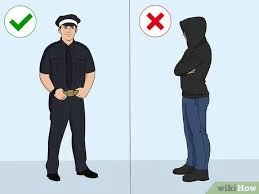
- Unknown strangers: People we are not sure about
How to Identify Strangers:
- You have never seen them before
- Your parents/teachers don’t know them
- They are not family members
- They are not friends of your family
- You cannot remember meeting them
Warning Signs of Dangerous Strangers:
- Offering gifts: Giving sweets, toys, or money
- Asking you to come with them: Wanting to take you somewhere
- Asking personal questions: Wanting to know where you live
- Telling you to keep secrets: Saying “don’t tell your parents”
- Following you: Walking behind you for a long time
- Taking pictures of you: Without permission
- Asking you to help them: Requesting your assistance with something
Safety Rules with Strangers:
- Never go with strangers: Even if they seem nice
- Don’t take gifts from strangers: Say “no thank you”
- Don’t give personal information: Don’t tell them where you live
- Stay in groups: Don’t be alone with strangers
- Trust your feelings: If something feels wrong, it probably is
- Scream for help: If a stranger tries to take you
Who to Report Strangers To:
- Your parents or guardians
- Your teachers
- School security
- Police officers
- Older family members you trust
What Information to Give When Reporting:
- What the stranger looked like
- What they said or did
- Where you saw them
- When it happened
Multiple Choice Exercise:
- A stranger is someone: a) You know very well b) You have never met before c) In your family d) Your best friend
- If a stranger offers you sweets, you should: a) Take them quickly b) Say “no thank you” c) Ask for more d) Share with friends
- When you see a suspicious stranger, report to: a) Other children b) Your parents or teachers c) The stranger d) Nobody
- A dangerous stranger might: a) Help you cross the road safely b) Try to take you somewhere c) Wave hello and walk away d) Ask for directions politely
Answers: 1(b), 2(b), 3(b), 4(b)
This term's Security Education topics
Basic 2 First Term · 8 topics
- Sources of Danger and Insecurity
- Sources of Danger and Insecurity: Bombing I
- Sources of Danger and Insecurity: Suicide Bombing
- Sources of Danger and Insecurity: Suspicious Movement
- Sources of Insecurity: Food Poisoning
- Sources of Danger: Dangerous Chemicals
- Sources of Danger and Insecurity: Riot
- Sources of Danger and Insecurity: Strangers
Get Security Education as PDF and Word
Every week of Basic 2 Security Education, First Term, formatted and ready to print. Ad-free, and the copy lock comes off.
Get this term Card, bank transfer, USSD or OPay
Basic 2 Security Education Lesson Notes for Other Topics

Sources Of Danger And Insecurity
Read the full lesson note.
Sources Of Danger And Insecurity - Bombing I
Read the full lesson note.

Sources Of Danger And Insecurity - Suicide Bombing
Read the full lesson note.
Sources Of Danger And Insecurity - Suspicious Movement
Read the full lesson note.
Sources Of Insecurity - Food Poisoning
Read the full lesson note.
Sources Of Danger - Dangerous Chemicals
Read the full lesson note.
Sources Of Danger And Insecurity - Riot
Read the full lesson note.
Preventive Measures - Involvement Of Security Agents
Read the full lesson note.
Preventive Measures - Tips On Being Security Alert
Read the full lesson note.
Preventive Measures - Tips On Being Security Alert
Read the full lesson note.
Identification Of Security Agencies - Police
Read the full lesson note.

Identification Of Security Agencies - FRSC AND LASTMA
Read the full lesson note.
Identification Of Security Agencies -NAFDAC AND NDLEA
Read the full lesson note.
Identification Of Security Agencies -SSS AND NSCDC
Read the full lesson note.
Identification Of Security Agencies - The Military
Read the full lesson note.
Lesson Notes for Other Classes

Basic 1 Lesson Note
The complete lesson note to guide your studies.

Basic 3 Lesson Note
The complete lesson note to guide your studies.

Basic 4 Lesson Note
The complete lesson note to guide your studies.

Basic 5 Lesson Note
The complete lesson note to guide your studies.

Basic 6 Lesson Note
The complete lesson note to guide your studies.
