
Environmental Health – Basic 4 Physical & Health Education Lesson Note (Second Term)
Download Lesson NoteLesson note at a glance
- Subject
- Physical & Health Education
- Class
- Basic 4
- Term
- Second Term
- Topic
- Environmental Health
- Order
- Topic 2 of 8 this term
- Reading time
- 4 min
LEARNING AREA
- Introductory Activities
- Meaning of Waste Disposal
- Sewage Disposal
- Refuse Disposal
PERFORMANCE OBJECTIVES
By the end of this lesson, pupils should be able to:
- Explain what waste disposal means.
- Know about sewage disposal.
- Understand refuse disposal.
- Keep their environment clean.
TEACHING AND LEARNING MATERIALS
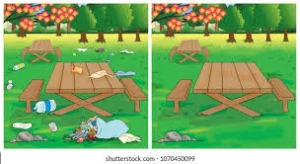
- Pictures of clean and dirty environments
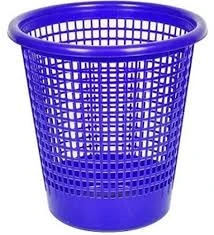
- Waste bin
- Examples of refuse (paper, bottles, cans)
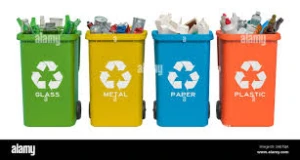
- Charts showing proper waste disposal
TEACHING AND LEARNING METHOD
- Simple explanation
- Show and tell
- Discussion
REFERENCE MATERIALS
- Primary Health Education Textbook
- Environmental Health Guide
ENTRY BEHAVIOUR/ PREVIOUS LESSON
Students know the difference between clean and dirty places.
WORD FILE
Waste, disposal, sewage, refuse, clean, dirty.
CONTENT
LESSON 1 – MEANING OF WASTE DISPOSAL
WHAT IS WASTE?
Waste is anything we don’t need anymore and want to throw away.
EXAMPLES OF WASTE:
- Used paper
- Empty bottles
- Food leftovers
- Old clothes
- Dirty water
WHAT IS WASTE DISPOSAL?
Waste disposal means getting rid of waste in the right way to keep our environment clean and safe.
WHY DISPOSE WASTE PROPERLY?
- Keep our homes clean
- Prevent bad smells
- Stop germs from spreading
- Make our environment beautiful
- Keep us healthy
WRONG WAY TO DISPOSE WASTE:
- Throwing on the ground
- Putting in drinking water
- Leaving in the house
- Burning near people
RIGHT WAY TO DISPOSE WASTE:
- Put in waste bins
- Bury in proper places
- Give to waste collectors
- Recycle if possible
LESSON 2 – SEWAGE DISPOSAL
WHAT IS SEWAGE?
Sewage is dirty water from our homes that comes from:
- Toilets
- Bathrooms
- Kitchen sinks
- Washing clothes
WHY SEWAGE IS DANGEROUS:
- Contains germs
- Causes bad smells
- Can make people sick
- Attracts flies and mosquitoes
HOW TO DISPOSE SEWAGE PROPERLY:
AT HOME:
- Use proper toilets
- Don’t pour dirty water anywhere
- Have good drainage
- Keep toilet clean
IN THE COMMUNITY:
- Build proper sewers
- Have waste treatment places
- Don’t put sewage in rivers
- Use pit latrines correctly
SIMPLE RULES:
- Always use the toilet
- Wash hands after using toilet
- Don’t play near sewage
- Tell adults about sewage problems
LESSON 3 – REFUSE DISPOSAL
WHAT IS REFUSE?
Refuse is solid waste we throw away from our homes like:
- Food waste (peels, bones)
- Paper and cardboard
- Plastic bottles and bags
- Metal cans
- Glass bottles
TYPES OF REFUSE:
BIODEGRADABLE REFUSE:
- Food waste
- Leaves
- Paper
- These rot away naturally
NON-BIODEGRADABLE REFUSE:
- Plastic

- Glass
- Metal
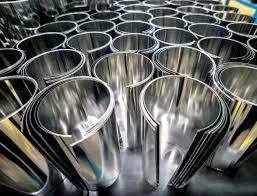
- These don’t rot easily
HOW TO DISPOSE REFUSE PROPERLY:
AT HOME:
- Use waste bins with covers
- Empty bins regularly
- Separate different types of waste
- Don’t throw on the ground
IN THE COMMUNITY:
- Put refuse in public bins
- Wait for waste collectors
- Use designated dump sites
- Don’t litter streets
3 Rs OF WASTE MANAGEMENT:
REDUCE:
- Use less things
- Don’t waste food
- Buy only what you need
REUSE:
- Use bottles again
- Give old clothes to others
- Use paper on both sides
RECYCLE:
- Make new things from old ones
- Give plastic to recycling centers
- Turn food waste into compost
DANGERS OF POOR REFUSE DISPOSAL:
- Attracts rats and cockroaches
- Causes bad smells
- Blocks drainage
- Makes environment ugly
- Spreads diseases
KEEPING OUR ENVIRONMENT CLEAN:
AT SCHOOL:
- Use school waste bins
- Don’t throw papers on ground
- Clean your classroom
- Report broken waste bins
AT HOME:
- Help parents dispose waste
- Keep your room clean
- Don’t throw things from windows
- Sweep around your house
IN THE COMMUNITY:
- Don’t litter when walking
- Use public waste bins
- Join community cleanup
- Tell others to dispose waste properly
PRESENTATION
- Teacher shows pictures of clean and dirty environments
- Teacher explains what waste is using real examples
- Teacher demonstrates proper way to use waste bin
- Teacher explains dangers of poor sewage disposal
- Teacher shows different types of refuse
- Teacher demonstrates the 3 Rs with examples
STUDENT ACTIVITIES
Students practice:
- Identifying different types of waste
- Putting refuse in correct bins
- Explaining why we need waste disposal
- Naming places where sewage comes from
- Demonstrating the 3 Rs
EVALUATIVE ACTIVITIES
- Define waste disposal
- Name two types of refuse
- Explain why sewage is dangerous
- Show how to use waste bin properly
LESSON EVALUATION/ASSIGNMENT
Students will:
- Clean their classroom properly
- Help dispose waste at home correctly
- Count waste bins in their neighborhood
- Report any sewage problems to teacher
WORKBOOK
WEEKLY ASSESSMENT (TEST)
- Waste disposal means getting rid of waste in the _______ way. A. Wrong B. Right
- Sewage is dirty water from _______. A. Rivers B. Our homes
- _______ refuse rots away naturally. A. Biodegradable B. Non-biodegradable
- The 3 Rs are Reduce, Reuse, and _______. A. Recycle B. Remove
- We should put refuse in _______. A. Rivers B. Waste bins
This term's Physical & Health Education topics
Basic 4 Second Term · 8 topics
Second Term Physical & Health Education Lesson Notes for Other Topics
Games - Basic Skills in Ball Games
Read the full lesson note.
Games (Local Games)
Read the full lesson note.
Safety Rules in Football Games
Read the full lesson note.
Swimming (Aquatic)
Read the full lesson note.
Revision
Read the full lesson note.
Revision II
Read the full lesson note.
Safety Rules in Swimming
Read the full lesson note.
Ball Games - Basketball
Read the full lesson note.

Ball Games - Football
Read the full lesson note.
Ball Games - Safety Rules in Football
Read the full lesson note.

Tennis
Read the full lesson note.

Recreation
Read the full lesson note.

Gymnastics with Apparatus
Read the full lesson note.
Gymnastics
Read the full lesson note.

Physical Fitness Cont'd
Read the full lesson note.
Lesson Notes for Other Classes

Basic 1 Lesson Note
The complete lesson note to guide your studies.

Basic 2 Lesson Note
The complete lesson note to guide your studies.

Basic 3 Lesson Note
The complete lesson note to guide your studies.

Basic 5 Lesson Note
The complete lesson note to guide your studies.

Basic 6 Lesson Note
The complete lesson note to guide your studies.

JSS1 Lesson Note
The complete lesson note to guide your studies.

